outlook business (2) Courtesy: Gateway House
16 July 2026

Five surprising truths about middle-powers

The global steering wheel has come loose, replaced by more fluid, pragmatic, and regional frameworks. The Emerging Middle Powers Report 2026 illuminates the shifting postures and throws up some surprises: trust in the U.S. is receding, non-alignment is increasing, regionalism is more important, and divergences from the mainstream are clear. Can Middle Powers be more than just bridges to overcome differences?
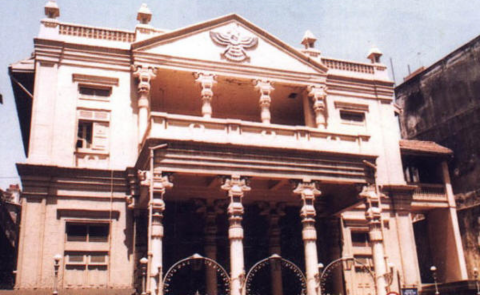

Anjuman Atash Bahram, Mumbai, with the winged Farohar symbol at the top. Courtesy: Heritage Institute
2 April 2026

The Persian-Parsi identity

Persia and India’s impact on each other go back to antiquity, but the extent of the Persian influence on the Parsi identity is more difficult to quantify. Despite their deep cultural connection, Parsis do not identify with Iran as the mother country. Reza Shah Pahlavi, impressed with their achievements in India, wanted them to return to Iran, but they could not be enticed to leave India.

Website articles  (61) Courtesy: Ruby Myers / Alchetron
19 March 2026

European Jews in Bombay’s film industry

The high point of Jewish glamour in Hindi films were led by Indian Baghdadi Jewish women – but also by German-speaking European Jewish male refugees in Bombay. Music composer-conductor-musician Walter Kaufmann, and his friend, scriptwriter Willy Haas, both German-speaking  Czech Jews, introduced a new sensibility and modern techniques into the early talkie era of Hindi cinema

Website articles  (55) Courtesy: Andreea Campeanu/Getty Images
12 March 2026

Europe’s strategic absence in West Asian conflict

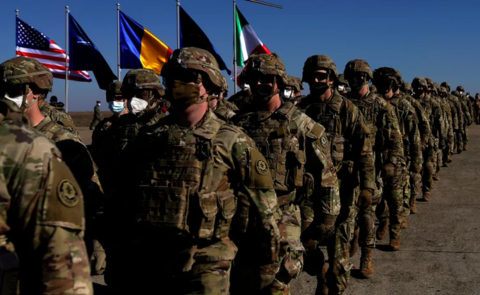
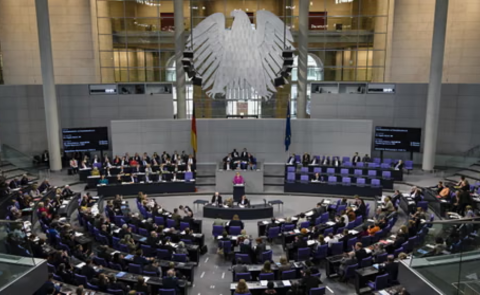
The war in West Asia is crowded with armaments and players, but there is one presence that is LOB, or Left Out of the Battle: that of Europe. The Continent is peripheral in the current crisis. Structural constraints, strategic dependence on the U.S., internal political divisions, and a shift in Europe’s geopolitical priorities since the war in Ukraine, has reduced its strategic weight.

Website articles  (48) Courtesy: Bayerischer Rundfunk
25 February 2026

Munich diary: Europe at the crossroads

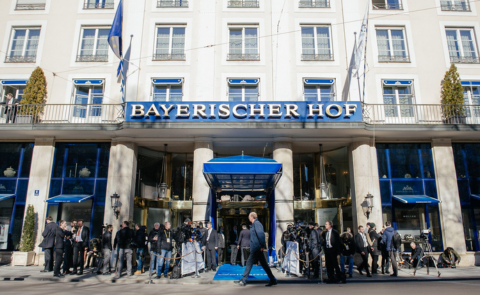
During the week of the Munich Security Conference, Munich transformed into a temporary capital of global diplomacy. Gateway House participated and hosted a Side Event, “Multipolarity without Multilateralism: India, Europe and the Future of Global Order” on February 14. This diary captures observations from the conference and the city, reflecting on Europe’s evolving priorities and how the continent assesses its role in an increasingly fragmented world.

the influence of phil in the UN  (1) Courtesy: Debarpan Das
5 February 2026

Influence of philanthropies in the UN

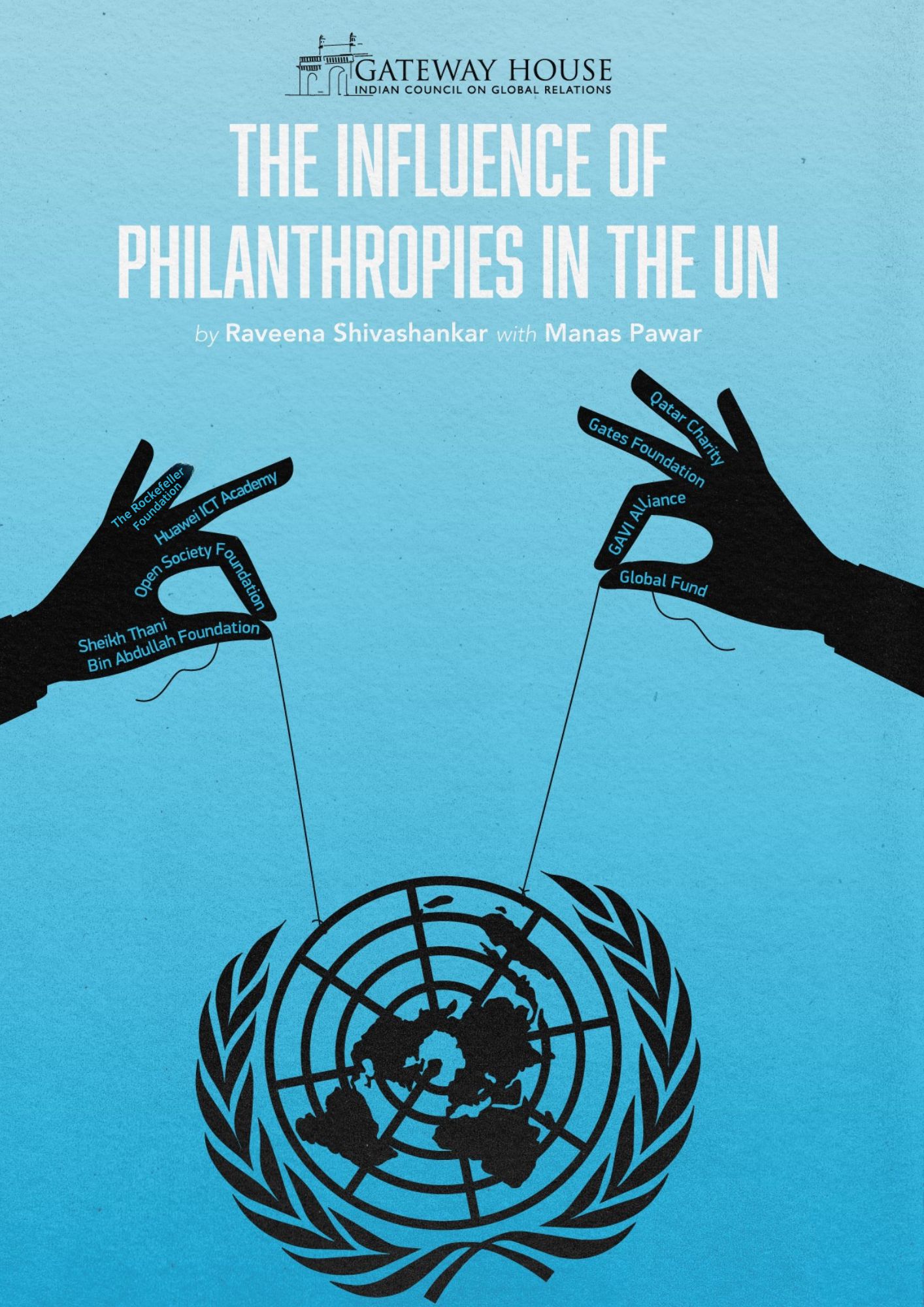
Over the last few decades, countries have stopped, delayed, or withheld their UN dues. The UN’s increasing financial needs have led to the acceptance of “voluntary” contributions. Those which come from any entities or individuals and are now its largest income stream. The biggest of these donors are the global philanthropies, which often have differing agendas from the UN’s responsibilities. This report studies these contributions and examines the linkages between donor priorities and UN mandates.

2 (6) Courtesy: Gateway House
5 February 2026

Influence of philanthropies in the UN

On January 7, 2026, the U.S. government announced its withdrawal from 31 UN organisations. This is a shock to the UN system. Several other countries have halted or only partially paid their dues over the years, creating a major funding gap. To cover for it, the UN has turned to “voluntary contributions” which come from philanthropic and private actors. Their misaligned mandates are distorting UN priorities.

2 (3) Courtesy: Getty Images
5 February 2026

Germany’s reform under strain

Germany’s prospects in 2026 are defined by tension rather than momentum. The country is neither in crisis nor comfortably on a path to renewal. Instead, it is engaged in a difficult process of adjustment, seeking to reconcile fiscal restraint with strategic ambition, social protection with demographic reality, and climate leadership with industrial competitiveness.

revised design Courtesy: Gateway House
27 November 2025

Rise of the Davos Competitor

U.S. health secretary Robert Kennedy Jr. called the World Economic Forum a “billionaires’ boys club” imposing totalitarian controls. Indeed, since 1971, the elite platform shaped geopolitics. But its Western-centricism kept out the concerns of the rest. This gave rise to alternative forums, which look beyond financial agendas to the perspectives shaping the Global South. Here are 45 of biggest, half of which began just two decades ago.

President of Russia Courtesy: President of Russia
2 October 2025

Valdai frames Russia’s global doctrine

Each autumn, Russia convenes its flagship Annual Summit — a gathering of global leaders, business elites and intellectuals. Often compared in scale to Davos or Shangri-La, what sets Valdai apart is President Vladimir Putin’s extended, unscripted dialogue with the audience. Over the years, India has moved to the centre of this dialogue, reflecting its strategic weight and offering rare insight into Moscow’s evolving worldview.