Website articles  (53) Courtesy: Gateway House
11 March 2026

Africa’s Marginalisation: How India Must Respond

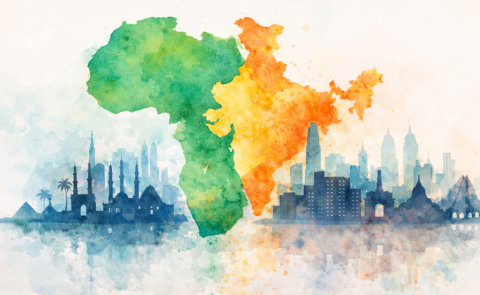
Once central to global strategic discourse, the Indo-Pacific and Africa have been sidelined amid the “Age of Polycrisis,” as attention shifts to crises in Europe and West Asia. While India has long expressed goodwill toward Africa, recent regional tensions have pushed the continent off its strategic radar. Renewed India–Africa cooperation is essential to advancing the agenda of the Global South and strengthening South–South partnerships.
News on Air Courtesy: News on Air
8 January 2026

2026: India’s foreign policy challenges

In the shifting sands of contemporary geopolitics, terms such as ‘fluid multipolarity’, ‘multiplexity’, ‘tripolarity’, and ‘bipolarity with multipolar characteristics’ are replacing the old dogmas and orders. But what is driving the world today? How does India plan to protect its vital interests in the current age of ongoing polycrisis? The road ahead is challenging, marked by risks and uncertainty.

@narendramodiX Courtesy: @narendramodi/X
18 December 2025

Ethiopia is a key ally in Africa

Ethiopia's importance as an African country that has played a vital role in advancing the vision of African unity and integration, and as a nation that killed its own demons of dictatorship to emerge as a successful democracy, is remarkable. In this upgraded frame, Prime Minister Modi’s visit to Addis Ababa is significant, with India as a partner offering economic and technological engagement.

Most popular Indian actors worldwide Courtesy: Gateway House
1 October 2025

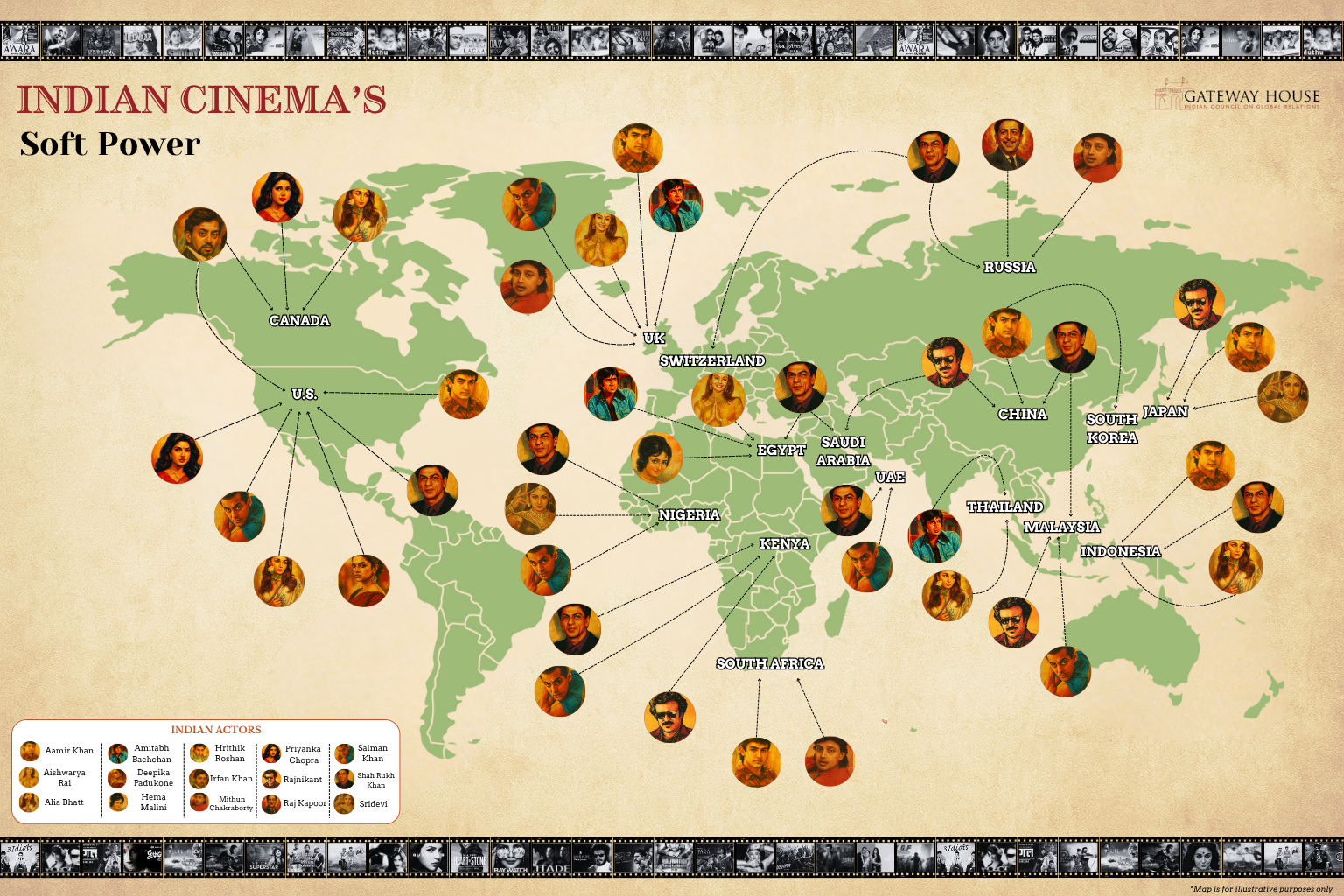
Indian Cinema as Economic Catalyst

As India seeks leadership in a multipolar world, cultural credibility is as vital as economic clout. Cinema gives India an edge with vivid storytelling, music, and empowering narratives, fostering understanding in a polarised world. Its popularity correlates with trade, as seen in the U.S., Russia, and Middle East. The more popular the cinema, the bigger the boost to trade.

shutterstock_1091235845 Courtesy: Shutterstock
15 October 2020

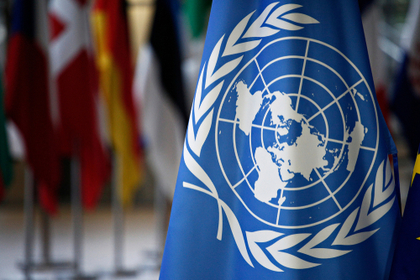
UN: Necessary but reformed

The UN turned 75 this year but instead of grand celebrations, the world witnessed an empty UNGA with world leaders addressing it via video screening because of the pandemic. The UN is under unprecedented stress and being shown up for its inability to tackle the challenges of today like the pandemics, climate change, terrorism or global peace and security. The institution's key governing structures, especially the UN Security Council, are inadequate and demand reform. India must now use gritty resolve to ensure its place in these governing structures.

shutterstock_353371844 Courtesy: Shutterstock
16 April 2020

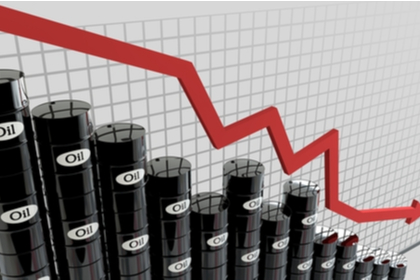
Oil in the post-COVID-19 world

The OPEC’s proposed cut in oil production earlier this week may not enable the energy market to recover. Recovery is likely only after COVID-19 is brought under control, but there are ways India can capitalise on the current low oil prices for its own energy security

shutterstock_1420700369 Courtesy: Shutterstock
24 October 2019

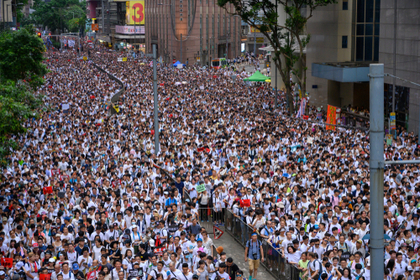
Global protests: leaderless, youthful, persistent

There has been a wave of civil protests across the globe since early 2019 which have taken governments by surprise by their sheer intensity and resilience. The common impelling factor has been discontent with government. Other factors for the current wave, beginning with the Arab Uprising in 2011, have been corruption and regressive constitutional changes. This infographic charts the arc of the outcry

indias-global-energy-footprint Courtesy: Gateway House
14 February 2017

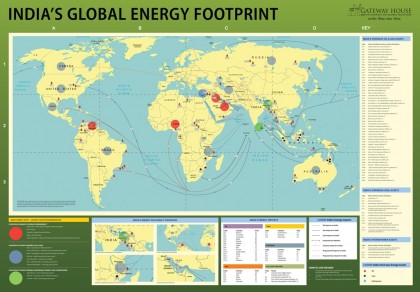
India’s global energy footprint

Trends in technology, geopolitics and geoeconomics have dramatically transformed the global energy scenario in the last two years. This means favourable conditions for import-dependent India, which must use the opportunities available to reduce its vulnerability to high energy prices. The jump in oil prices past the $60 mark suggests that India must act with alacrity. India’s Energy Footprint Map offers a profile of India’s global trade and investment in energy, and indicates what India can do to access cheap and reliable supplies

maxresdefault Courtesy: Youtube
4 February 2016

The world in 2016

The world has witnessed a number of upheavals in the past few years, precipitating widespread global political turbulence stemming from geo-economic instability. Over the next couple of months, Gateway House experts will attempt to deconstruct these events and how India and its foreign policy can work to take advantage of these trends.