Trump’s Iran sanctions hit India
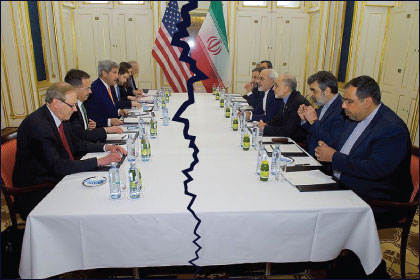
India may end up being the unintended victim of renewed U.S. sanctions on Iran. It will push up the price of oil and cost India billions of dollars annually

 Courtesy: Gateway House
India may end up being the unintended victim of renewed U.S. sanctions on Iran. It will push up the price of oil and cost India billions of dollars annually
 Courtesy: Pinterest
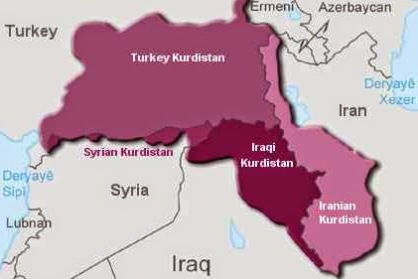
The Kurdish issue is far more complex and sophisticated than the simplistic nationalist rhetoric, made fashionable by Europeans-- and which all actors in the game feel compelled to employ and have us believe
 Courtesy:
A number of democratic processes are set to unfold in this week. A referendum in the Kurdistan Region of Iraq, the AfD's surprising outcome in the German Parliamentary election and the upcoming referendum in Catalonia, Spain. Ambassador Neelam Deo, Director at Gateway House, discusses the geopolitical implications of these highly-controversial domestic democratic processes.
 Courtesy: Gateway House
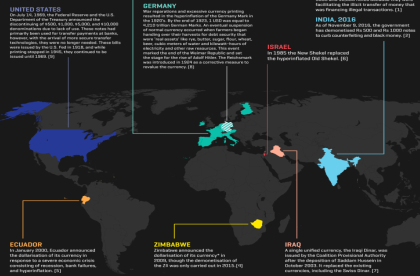
Prime Minister Narendra Modi's announcement on November 8 to demonetise notes of the denomination of Rs 500 and Rs 1000 has a precedent. This infographic traces some interesting demonetisation initiatives around the world. From discontinuation of high denomination notes due to lack of circulation, to the use of beer and water as 'real assets' in place of hyper-inflated currency.
 Courtesy: Narendramodi.in
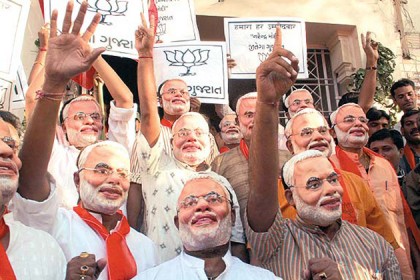
Narendra Modi’s landslide victory in India's 2014 general elections, despite his hardline nationalist image, was viewed as a localised phenomenon. But two years later, voters across the world from Europe to Philippines seem to be tilting towards leaders with the same nationalist tag.
 Courtesy: Wikipedia
The sanctions against Iran impacted the country’s oil, banking, aviation, and other sectors, and had a major humanitarian impact. But neither is armed attack a more suitable method in most instances to address allegedly recalcitrant states. What then is the middle ground? And can the UNSC assume a more proactive role in this context?
 Courtesy: Wikipedia
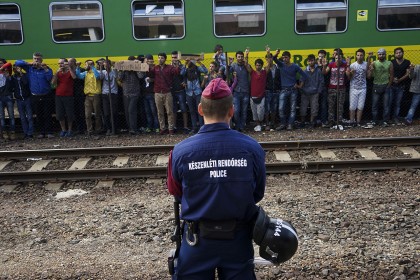
While the closing of borders to refugees in Europe and West Asia could be interpreted as proof that national borders are more important now than ever, the sheer numbers of refugees make strengthening borders a severely inadequate solution.
 Courtesy: U.S. State department/Flickr
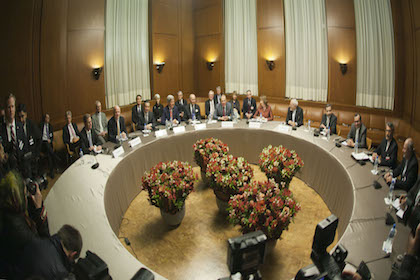
With the EU, Iran, and other entities taking decisive steps on April 2 to ensure a non-nuclear Iran, President Obama must now counter interests in the U.S. that want to stymie the final agreement. But having come this far, and considering the comprehensive benefits of an agreement, all sides are sure to deliver
 Courtesy: RT.com
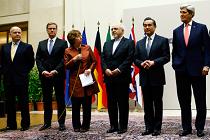
Talks are on in Vienna between Iran and the P5+1 to reach a settlement on Iran’s nuclear programme. The self-imposed deadline expires on July 20. However, with the U.S. insisting that Iran cut back on operational centrifuges any possibility of a comprehensive solution in the near future seems remote
 Courtesy: W123/WikimediaCommons
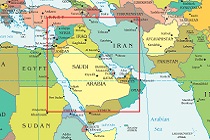
Whether backdoor geopolitics rather than careful negotiations brought about the interim agreement on Iran’s nuclear programme, the next six months will determine its fate. Reactions have ranged from a furious and mistrustful Israel to collective relief by many countries, and a worried India welcoming the agreement