2019-06-14T000000Z_1951021920_RC-2 Courtesy: SCO, Russia (2020)
22 July 2021

China’s quad?

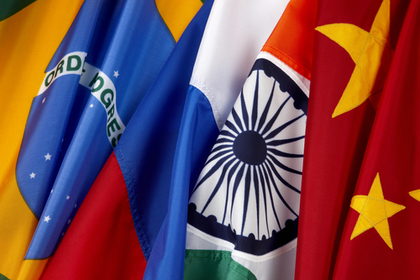
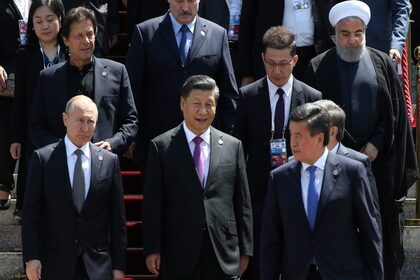
A potential anti-Quad formation of China, Russia, Iran and Pakistan is in the making, and can pose risks to the Quadrilateral Security Dialogue. However, a close analysis of China's bilateral relationship with each country shows that this is a flawed grouping, formed on limited common interests and rivalries.
shutterstock_1091235845 Courtesy: Shutterstock
15 October 2020

UN: Necessary but reformed

The UN turned 75 this year but instead of grand celebrations, the world witnessed an empty UNGA with world leaders addressing it via video screening because of the pandemic. The UN is under unprecedented stress and being shown up for its inability to tackle the challenges of today like the pandemics, climate change, terrorism or global peace and security. The institution's key governing structures, especially the UN Security Council, are inadequate and demand reform. India must now use gritty resolve to ensure its place in these governing structures.

shutterstock_1655303551 Courtesy: Shutterstock
5 March 2020

Hype & substance in Trump’s visit

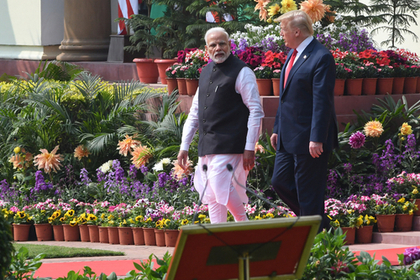
President Trump enjoyed every moment of the hype that attended his February 2020 visit to India, says Ambassador Neelam Deo, Director and Co-founder of Gateway House, in this podcast, even as the focus was on concrete outcomes, such as defence purchases and oil procurement deals. She discusses the geopolitical implications of a closer India-U.S. strategic relationship and the weaknesses of the U.S.-Taliban peace deal

shutterstock2_1027256470 Courtesy: Shutterstock
13 February 2020

Pakistan under FATF’s critical review

The upcoming Financial Action Task Force (FATF) plenary session 16-21 February will be crucial for both Pakistan and Iran as the anti-money laundering and anti-terrorist financing measures undertaken by the two countries will be reviewed by the 39 member states of the FATF. Decisions will be taken on their retention or removal from the grey list and black list respectively

shutterstock_44385856 Courtesy: Shutterstock
2 January 2020

India’s diplomatic agenda in 2020

India will host four prestigious international conferences, such as the India-Africa Forum Summit and the subsidiary SCO Summit in the course of the next three years. These are historic opportunities for the country to show global leadership and fulfil a diplomatic agenda that involves handling strategic competition and advancing partnerships

modi-768x432 Courtesy: CNBC TV18
28 May 2019

PM Modi’s foreign policy 2.0

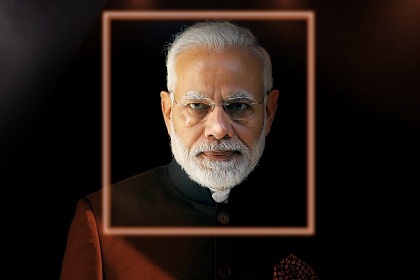
India's foreign policy under the second Modi government will take account of a turbulent world in which the old verities are disappearing and domestic political compulsions exert overwhelming influence on external postures

ibc-center-oil-gaz-4-696x392 Courtesy: ibctrain.com
2 April 2019

India & the influential SCO Energy Club

The main objective of the Shanghai Cooperation Organisation’s (SCO) Energy Club, when Russia formed it, was to market its member states’ substantial oil and natural gas reserves. This map shows some of the important natural gas pipelines, originating from Russia and its neighbouring countries that are not members of the SCO. What can India do to secure supplies from these abundant but currently inaccessible natural gas reserves?

359864_3622116_akhbar Courtesy: thenews.com.pk
7 March 2019

Gwadar 2.0: Pakistan’s Saudi vs. China play

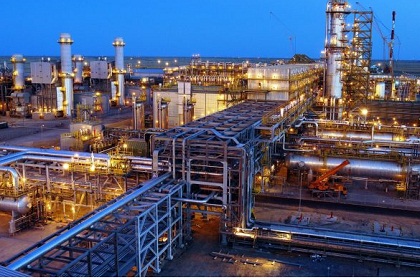
Pakistan’s aspirations for oil and gas prospecting off its Makran coast, south-western Balochistan, are diverging from those of China, which has had a nearly two-decade long presence in Gwadar as an infrastructure provider. To turn Gwadar into the petrochemical hub it desires, Pakistan has sought out other benefactors, changing geopolitical equations in the region

aashna-china Courtesy: Gateway House
14 May 2018

Gwadar: trade hub or military asset?

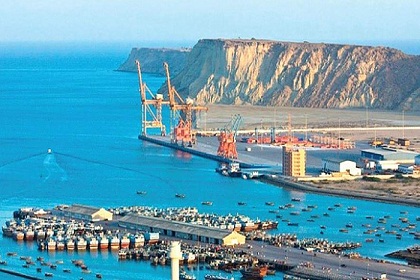
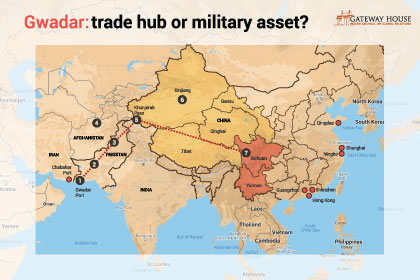
China’s ostensible intentions are to turn Gwadar port into a focal point of the China Pakistan Economic Corridor. But the geography of the region is a major stumbling block in the realisation of these ambitions and raises questions about the project’s underlying motives