Website articles  (76) Courtesy: X/ @bdbnp78
15 April 2026

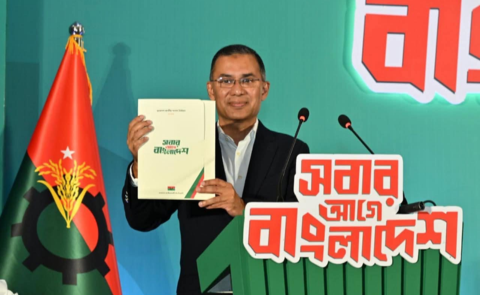
Bangladesh’s bumpy road ahead

Bangladesh’s new government has been in power for two months now, and the challenges are immense. Yet Prime Minister Tarique Rahman is trying to balance a plethora of issues: energy shortages, an under-performing economy, a major constitutional reform, addressing corruption and introducing transparency and accountability – all the while putting “Bangladesh First.”
Website articles  (75) Courtesy: PTI
10 April 2026

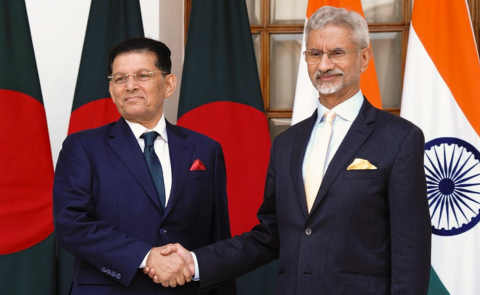
Delhi-Dhaka make progress

The visit of Bangladesh's foreign minister Khalilur Rahman to Delhi was an intermediate stage in the journey towards a full India-Bangladesh reset. The two countries have much to gain through deeper cooperation and more to lose if they drift. It’s time to focus on a common future by initiating bold trade and economic policies and linkages to counter vested interests that work to keep them apart.

rk (3) Courtesy: Gateway House
9 April 2026

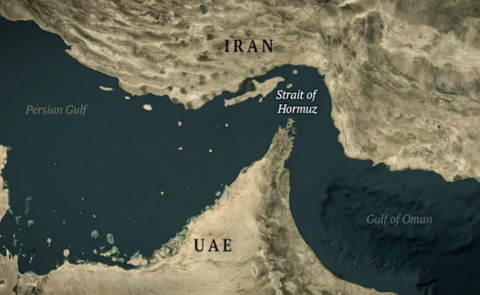
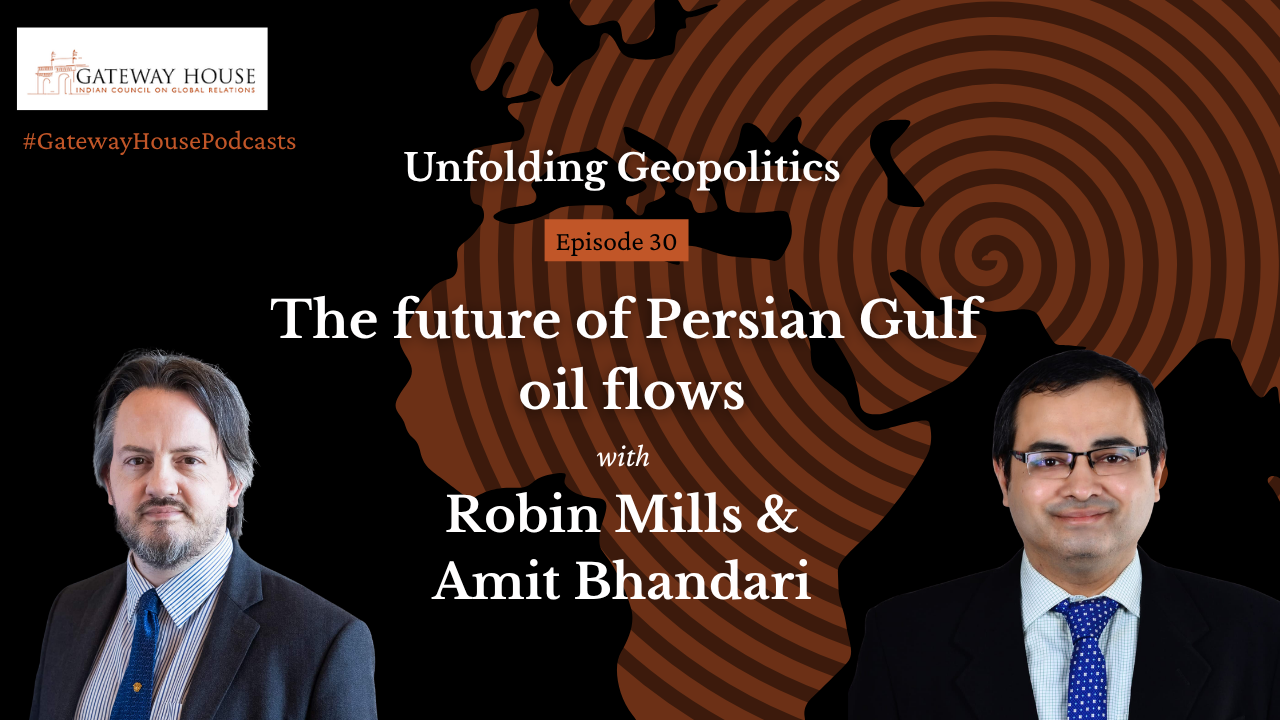
Unfolding Geopolitics Episode 30 | The future of Persian Gulf oil flows

Following the U.S.–Iran ceasefire and partial reopening of the Strait of Hormuz, energy flows may resume, but uncertainty persists. Robin Mills, CEO of Qamar Energy, and Amit Bhandari, Senior Fellow on Energy, Investments and Connectivity, Gateway House, note that Iran will retain leverage and will continue influencing prices and supply chains. Natural gas shortages will further disrupt fertiliser production and fuel inflation world-wide.

Website articles  (74) Courtesy: Presidential Communications Office
9 April 2026

ASEAN challenged by the Iran crisis

The West Asia conflict has disrupted global stability, impacting ASEAN economies and diplomacy. As chair, the Philippines balances its alliance with the U.S. and regional neutrality, while Indonesia and Malaysia reflect domestic support for Arab states. With energy shocks, remittance risks, and inflation rising, ASEAN’s limited influence is evident. Has ASEAN once again been drawn into a vortex of crises beyond its control?

Website articles  (73) Courtesy: AFR
2 April 2026

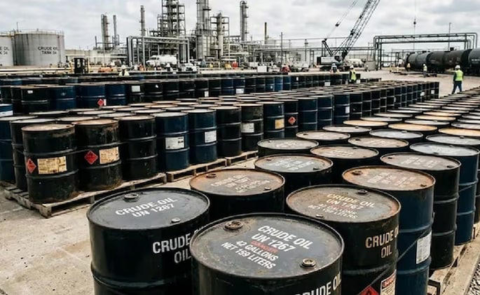
India’s options after the Persian Gulf war

The Persian Gulf conflict has already impacted India’s oil imports and financial security. However, India has not created meaningful options to protect itself from oil shocks over the last decade – and such shocks will continue. Now is the time for India to make equity investments in oil and gas companies in stable economies like the U.S., Canada and Australia, to protect itself from future energy crises.

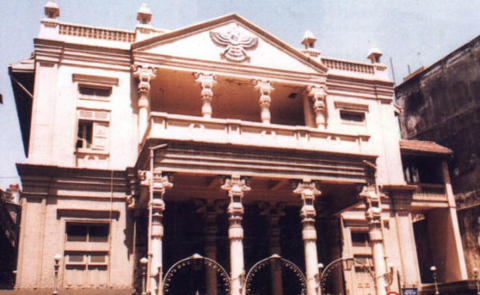
Anjuman Atash Bahram, Mumbai, with the winged Farohar symbol at the top. Courtesy: Heritage Institute
2 April 2026

The Persian-Parsi identity

Persia and India’s impact on each other go back to antiquity, but the extent of the Persian influence on the Parsi identity is more difficult to quantify. Despite their deep cultural connection, Parsis do not identify with Iran as the mother country. Reza Shah Pahlavi, impressed with their achievements in India, wanted them to return to Iran, but they could not be enticed to leave India.

Website articles  (60) Courtesy: MSN
19 March 2026

Gulf War pinches South Asia

The war in the Persian Gulf has already caused significant disruption in India’s South Asian neighbours. A prolonged conflict is likely to push the region back into economic and political crises from which it had been hopeful of emerging this year.

Website articles  (61) Courtesy: Ruby Myers / Alchetron
19 March 2026

European Jews in Bombay’s film industry

The high point of Jewish glamour in Hindi films were led by Indian Baghdadi Jewish women – but also by German-speaking European Jewish male refugees in Bombay. Music composer-conductor-musician Walter Kaufmann, and his friend, scriptwriter Willy Haas, both German-speaking  Czech Jews, introduced a new sensibility and modern techniques into the early talkie era of Hindi cinema

Website articles  (56) Courtesy: Gateway House
19 March 2026

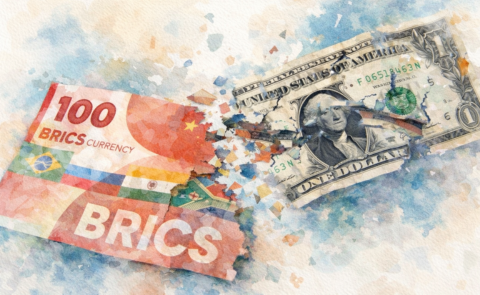
BRICS CBDCs can lead to financial multipolarity

India’s proposal to link the digital currencies of the BRICS nations could alter how emerging economies settle trade deals. It is necessary to examine the reasoning behind such a move, its effort to reducing dollar dependence, and the benefits that accrue to India.

Website articles  (52) Courtesy: AFP
9 March 2026

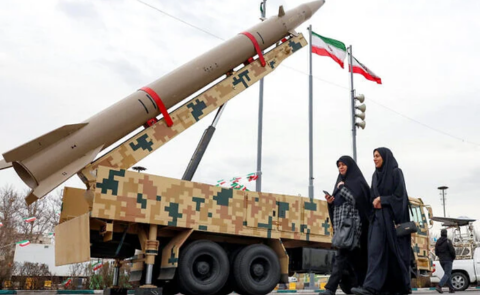
Iran regime change unlikely

The U.S.–Israel war against Iran will alter the geopolitical landscape of West Asia and adversely impact the global economy, including India. Vali Nasr, Majid Khadduri Professor of International Affairs and Middle East Studies at Johns Hopkins University School of Advanced International Studies, analyses the conflict and its implications in an exclusive conversation with Nayanima Basu.