AP517-519 00_Cover.indd Courtesy: Routledge
7 May 2026

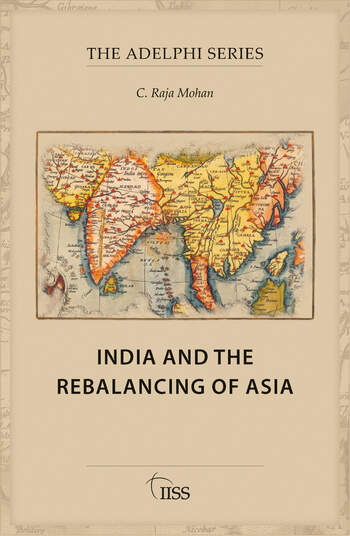
India and the Rebalancing of Asia

In this book, C. Raja Mohan analyses Asia’s shifting political, economic, military, and technological balance, with particular focus on U.S.-China and India-China relations. He argues that India’s rise from a middle power to an emerging great power will require stronger hard power, diplomatic creativity, economic vitality, and domestic consensus. Yet, amid tensions over tariffs, Russian oil, Gaza, and the U.S.-Iran conflict, India’s strategic path remains challenging.
Website articles  (91) Courtesy: PIB
7 May 2026

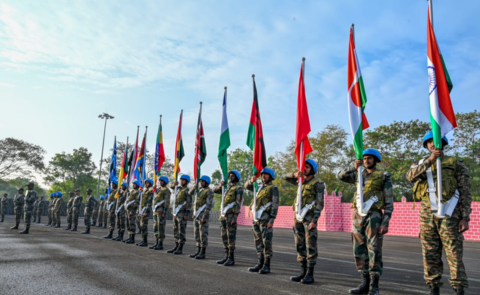
Strengthening Africa’s security architecture

Africa has been increasingly drawn into conflicts and faces difficulty in preventing or managing them. At the Fourth India-Africa Forum Summit to be held on May 28-31, India can announce assistance to the continent in capacity-building in training, logistics, and technology. India-Africa defence industrial cooperation, particularly in affordable equipment and maintenance capabilities tailored to African conditions, will align with its evolving needs.

Website articles  (90) Courtesy: Gateway House
7 May 2026

The Smackover blueprint

The Smackover Formation in south Arkansas and east Texas holds vast reserves of lithium — the critical mineral powering electric vehicles, energy storage systems, and data centres. If successfully tapped, those reserves could drastically reduce America's dependence on China. Arkansas has a stable, proven, predictable regulatory and statutory framework and familiarity with the production process. Policymakers in India would be wise to follow developments closely.

Website articles  (79) Courtesy: @DrJaishankar/X
23 April 2026

Korea re-engages India

South Korea and India have much in common – both are Indo-Pacific players, oil importers and business-oriented economies. Yet, despite the ubiquitious and successful presence of Korean companies in India’s markets, the political relationship has been weak, and underperformed. The recent state visit by South Korean President Lee Jae-myung to India along with a slew of economic and strategic agreements signed, is an effort to recalibrate the relationship.

20260415_1714_Minimalist Iran Conflict Illustration_remix_01kp8f9nksftqrj3zntfnpktpe Courtesy: Gateway House
15 April 2026

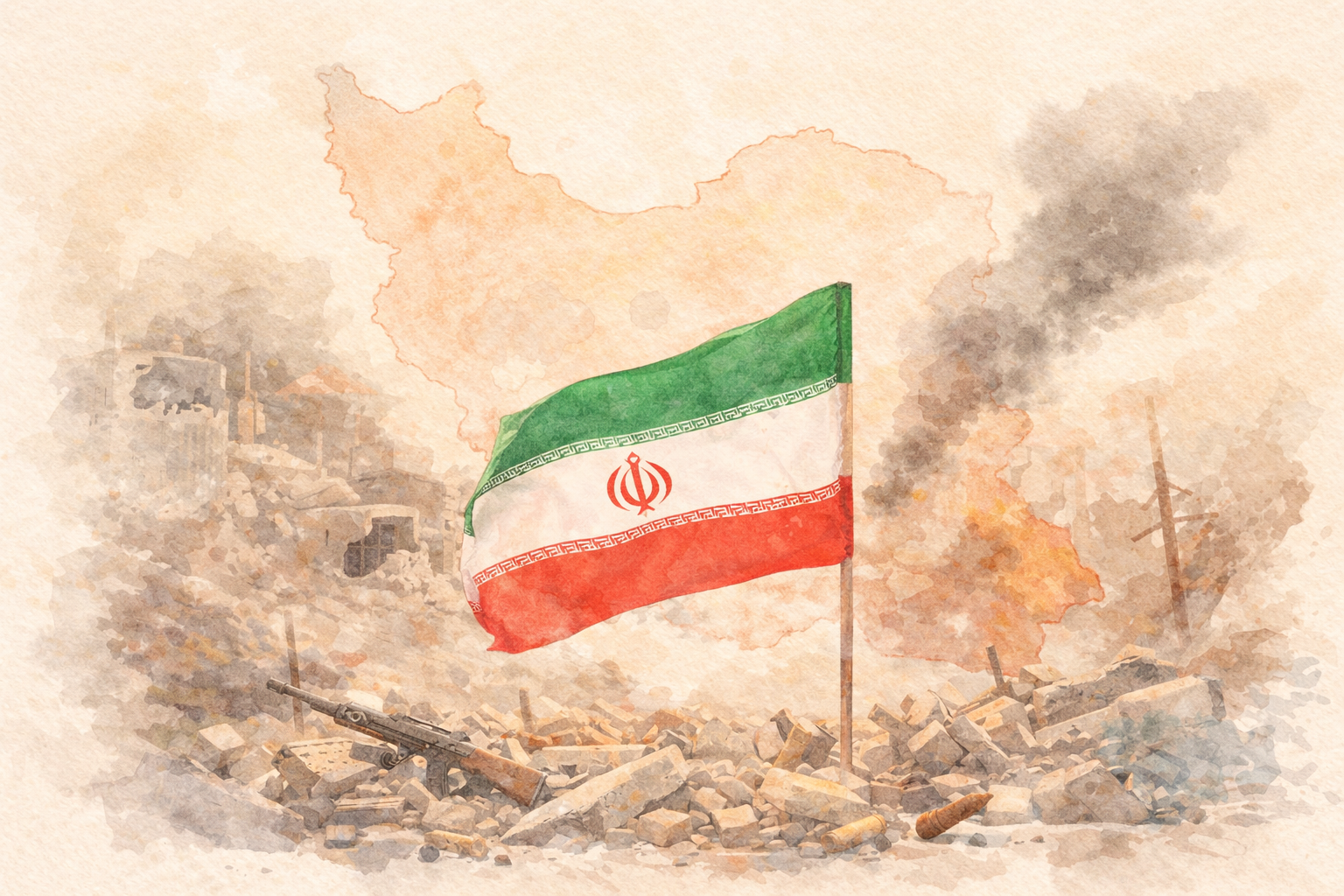
How did Iran fight this war?

The West Asian conflict is raising questions about Iran’s performance. Tehran appeared well-prepared, having expanded its low-cost drone and missile capabilities. It also widened the conflict by targeting U.S. bases in the Gulf. The key lesson is that eliminating leadership does not guarantee regime change. The conflict underscores that modern warfare depends not just on battlefield gains, but also on economic resilience, trade leverage, and technological strength.

Website articles  (76) Courtesy: X/ @bdbnp78
15 April 2026

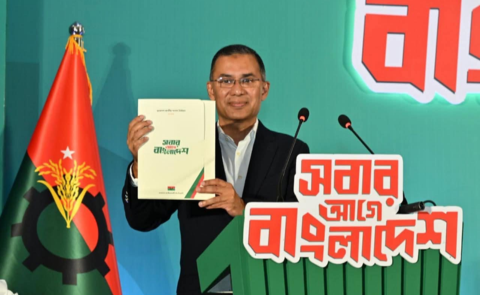
Bangladesh’s bumpy road ahead

Bangladesh’s new government has been in power for two months now, and the challenges are immense. Yet Prime Minister Tarique Rahman is trying to balance a plethora of issues: energy shortages, an under-performing economy, a major constitutional reform, addressing corruption and introducing transparency and accountability – all the while putting “Bangladesh First.”

rk (3) Courtesy: Gateway House
9 April 2026

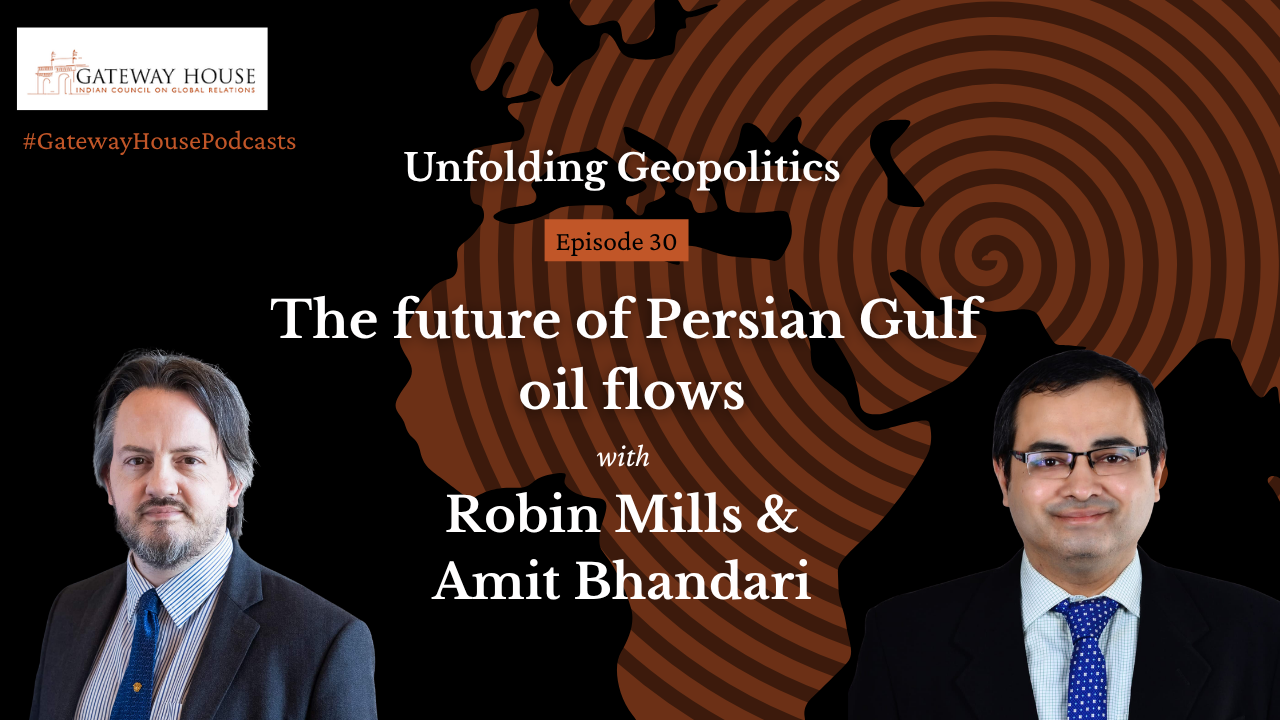
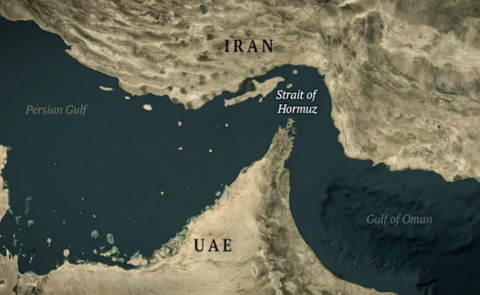
Unfolding Geopolitics Episode 30 | The future of Persian Gulf oil flows

Following the U.S.–Iran ceasefire and partial reopening of the Strait of Hormuz, energy flows may resume, but uncertainty persists. Robin Mills, CEO of Qamar Energy, and Amit Bhandari, Senior Fellow on Energy, Investments and Connectivity, Gateway House, note that Iran will retain leverage and will continue influencing prices and supply chains. Natural gas shortages will further disrupt fertiliser production and fuel inflation world-wide.

Website articles  (74) Courtesy: Presidential Communications Office
9 April 2026

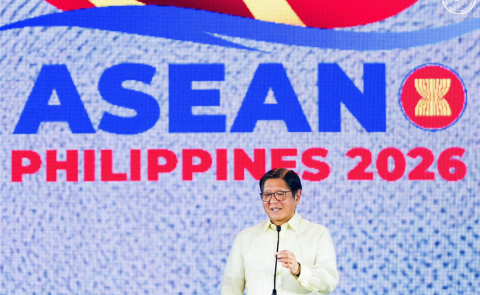
ASEAN challenged by the Iran crisis

The West Asia conflict has disrupted global stability, impacting ASEAN economies and diplomacy. As chair, the Philippines balances its alliance with the U.S. and regional neutrality, while Indonesia and Malaysia reflect domestic support for Arab states. With energy shocks, remittance risks, and inflation rising, ASEAN’s limited influence is evident. Has ASEAN once again been drawn into a vortex of crises beyond its control?

Website articles  (73) Courtesy: AFR
2 April 2026

India’s options after the Persian Gulf war

The Persian Gulf conflict has already impacted India’s oil imports and financial security. However, India has not created meaningful options to protect itself from oil shocks over the last decade – and such shocks will continue. Now is the time for India to make equity investments in oil and gas companies in stable economies like the U.S., Canada and Australia, to protect itself from future energy crises.

Website articles  (68) Courtesy: AFP
2 April 2026

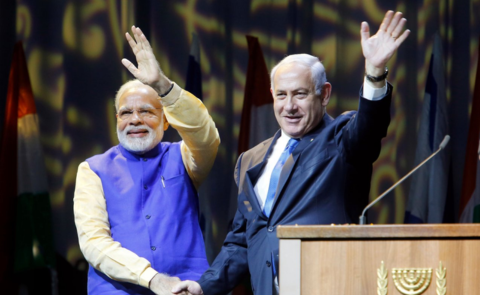
Modi’s Israel visit brings defence and tech

It is important to take an objective review of PM Modi’s visit to Jerusalem and its implications for India’s security. New Delhi will have to demonstrate its strategic autonomy by managing heterogeneous and often contrapuntal relationships and strike a balance in its ties with the U.S. and Israel on the one hand and Iran and the Arab world on the other hand.