The Unwanted Wars
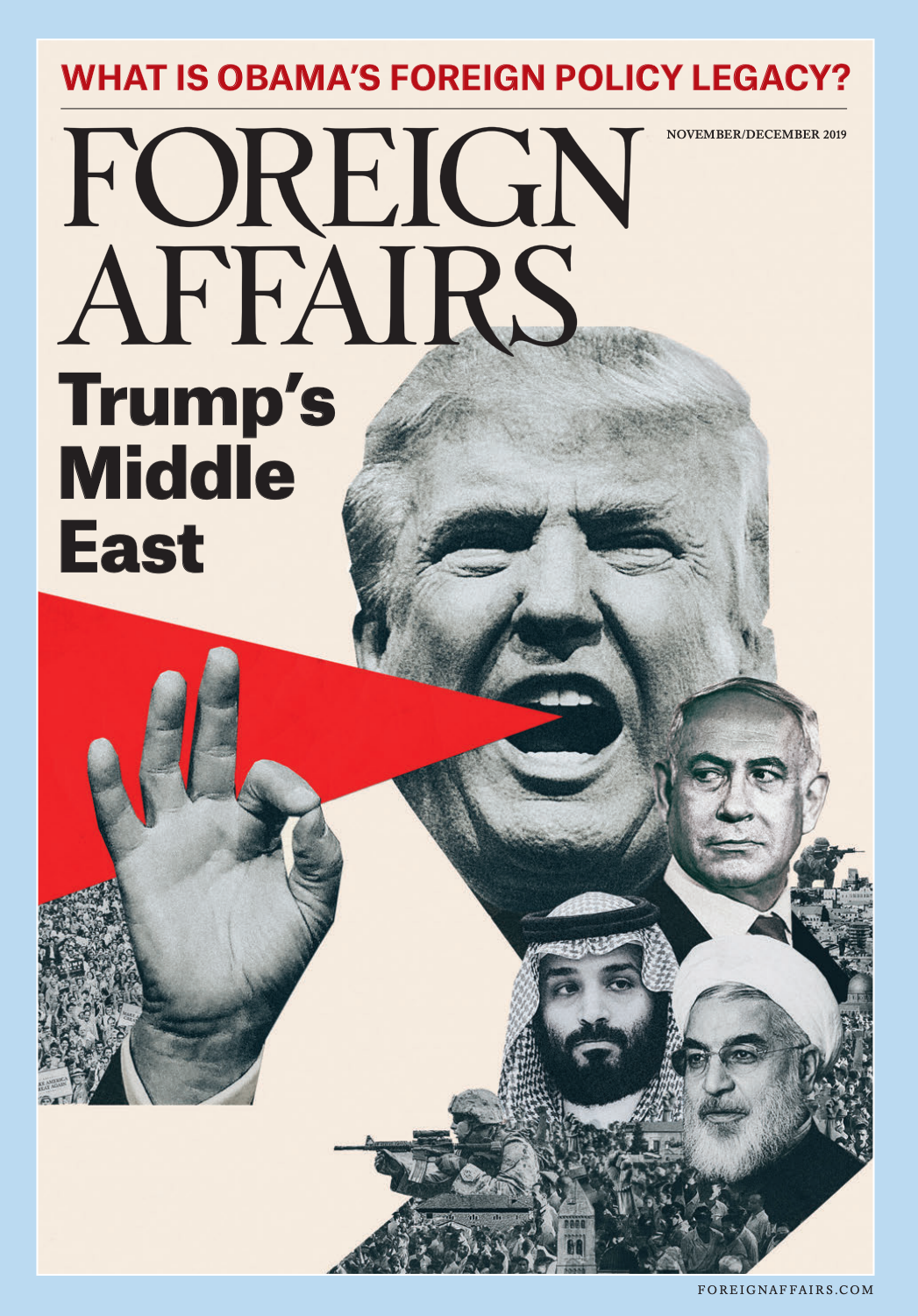
Countries in the Middle East, such as Iran, Israel or Saudi Arabia, do not want a military confrontation. Yet, current circumstances conduce to the breaking out of just such a war

 Courtesy: Foreign Affairs
Countries in the Middle East, such as Iran, Israel or Saudi Arabia, do not want a military confrontation. Yet, current circumstances conduce to the breaking out of just such a war
 Courtesy:
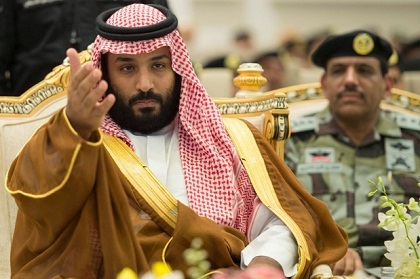
The removal of 11 top ministers in the Riyadh government last week by the young crown prince Mohammad bin Salman, is a geopolitical upheaval, the implications are serious. Domestically, the kingdom is seeking to liberalise its conservative society and move away from oil-dependency – evident from the expected listing of its crown jewel Aramco. For India, which imports oil largely from West Asia, instability could cause a spike in prices, leaving less for its ambitious reforms. Globally, there is now space for new alignments – in the Great Power plays, in the Shia-Sunni rivalry, and in the war on terrorism.
 Courtesy: Flickr
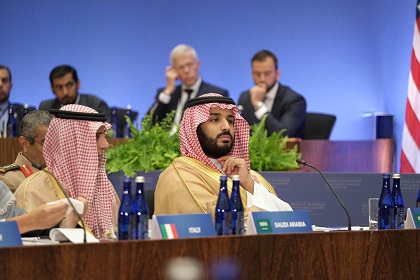
Prince Salman’s accession to the throne after the death of Saudi King Abdullah on 23 January 2015 has been a game changer, both domestically and in West Asian politics. Within days, he sidelined rivals within the House of Saud, and took on Iran with a confrontational policy. But two years later, the results of his new strategy disappoint
 Courtesy: Narendramodi.in
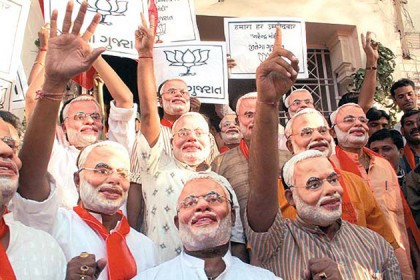
Narendra Modi’s landslide victory in India's 2014 general elections, despite his hardline nationalist image, was viewed as a localised phenomenon. But two years later, voters across the world from Europe to Philippines seem to be tilting towards leaders with the same nationalist tag.
 Courtesy: Dawn Endico
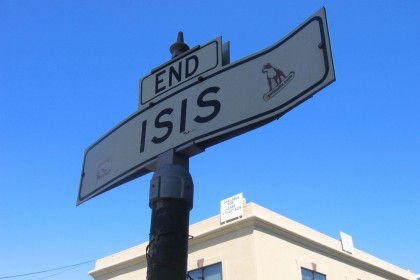
Today ISIS is the gravest international security threat. To defeat ISIS, the world should pay heed to India’s experience of the need to isolate state sponsors of terrorism. Ultimately, only when Saudi Arabia acknowledges the danger to its own survival from past policies of alleged support to extremist groups, can it be a reliable partner in the fight against ISIS.
 Courtesy: Wikipedia
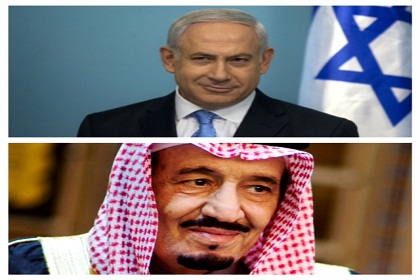
The announcement in June of a Saudi-Israeli alliance against Iran has to be seen in the context of the strategic dimensions of India’s relations with Saudi Arabia, Israel, Iran, and the U.S. And it has far-reaching implications for India’s policy towards West Asia
 Courtesy: U.S. Staff Sergeant Aaron Allmon
Obama’s strategy to target the IS in Syria within the framework of a U.S.-led international coalition has met with a tepid response. There are reports that the U.S may offer India a non-NATO ally status during Modi’s upcoming visit in a bid to seek greater support – a gesture that India will do well to disregard.
 Courtesy: laprensa
Over two years after American troops left Iraqi soil, the rise of the brutal ISIS is forcing a war weary U.S.to contemplate a return to the country. Amid plummeting approval ratings and divided opinions at home, President Barack Obama will have to carefully weigh the implications of a disintegrated Iraq on the U.S. and indeed, the world.
 Courtesy: Jeremy Edmunds/Flickr
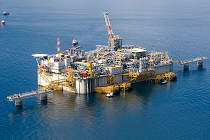
The issue of gas pricing is in the public discourse after the Aam Aadmi Party questioned the logic of linking domestic prices to global rates. In the absence of a single global marker price, it is time India, and other large importing countries in Asia, develop a pricing mechanism that reflects regional realities
 Courtesy: counting chest bullets/Flickr
In recent years, U.S. oil and gas imports have declined due to the development of shale resources in the country. How will the production of shale oil, increase in oil production by non-OPEC countries, supply disruptions in West Asia and economic growth in India and China impact global crude oil prices?