PM Modi’s five-nation tour
PM Modi's five-nation tour highlights that despite geopolitical conflicts, New Delhi remains confident in its ability to balance relationships with the North and South.

 Courtesy: X / PMOIndia
PM Modi's five-nation tour highlights that despite geopolitical conflicts, New Delhi remains confident in its ability to balance relationships with the North and South.
 Courtesy: Atlantic Council
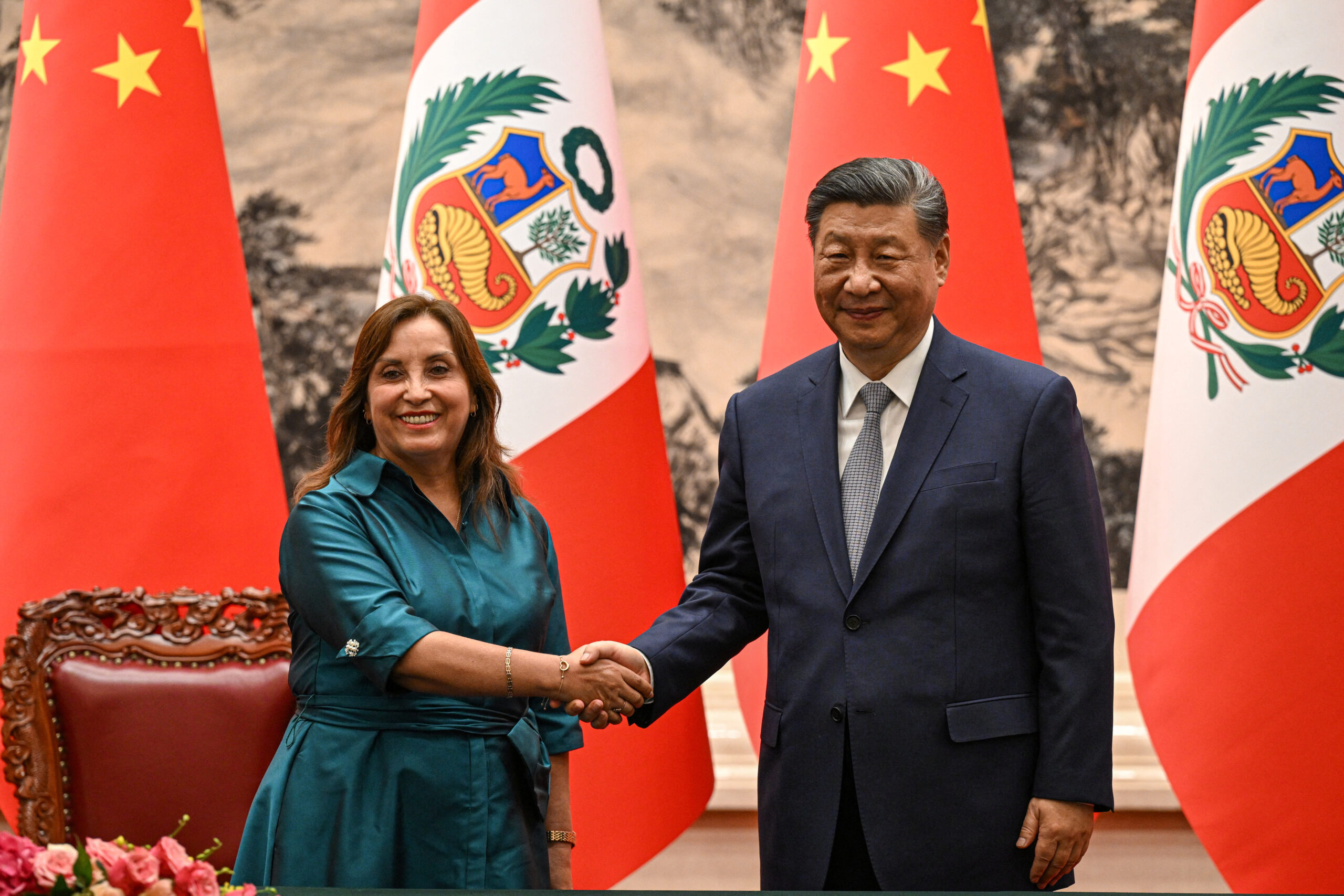
Xi Jinping’s visit to South America to attend the APEC and G20 meetings had multiple goals. To inaugurate a new gateway for China in Peru’s Chancay port, sign three dozen cooperation agreements with Brazil, and make nice with the continent’s nations from Chile to the Honduras. Did it succeed in expanding China’s influence in the region? Most certainly, yes.
 Courtesy: Juggernaut
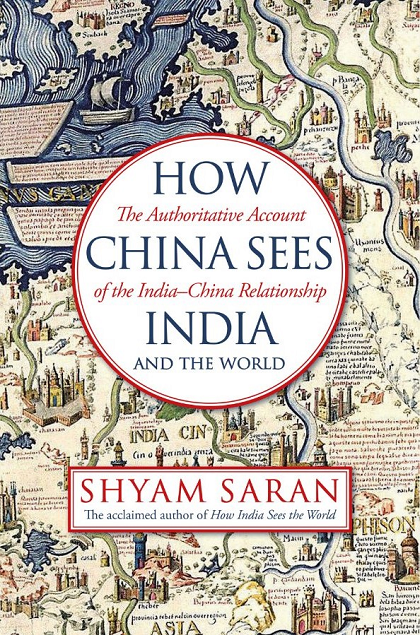
In his new book, former Foreign Secretary Shyam Saran demystifies China's imagined belief of itself as the Middle Kingdom. Contemporary China's propensity to cut and paste history has resulted in China's resentment of India based on a limited understanding of Indian history and of China's past recognition of India as an advanced civilisation which impacted Chinese culture. Today the West recognises India's potential to match China, with depth and skills, over the long term.
 Courtesy: Manjeet Kripalani
The crippling effect of American sanctions are thorough; designed to strangle economies and bring entire nations to a halt. However, they unknowingly pull people together, imparting a deep sense of patriotism and often sparking innovation which can quickly surpass any other world power. With sanctions being lifted on nations like Myanmar, Iran and, hopefully, Cuba, the question remains whether they will retain their uniqueness or fall into line with the rest?
 Courtesy: Madaki/Wikimedia Commons
After respite from the U.S. government, Cuba now faces the daunting task of reviving its economy without having to give up on its political ideology. The Singaporean model of limited democracy is something Cuba could emulate.
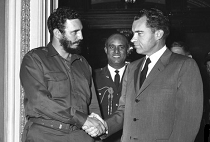 Courtesy: Getty Images
The U.S. has finally ended its outdated policy of isolating Cuba. It is a triumph for the proud and courageous Cubans who have withstood so many overt and covert destabilisation attempts by the U.S. It is also a victory for Latin America which has opposed the U.S. embargo and advocated normalization of relations with Cuba
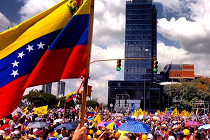 Courtesy: durdaneta/Wikimedia
Latin America’s economic growth has slowed down in 2014. But the region’s fundamentals are relatively strong, and have the resilience to absorb external shocks and increase growth in the coming years. However, Argentina and Venezuela face continuing uncertainty and deterioration.
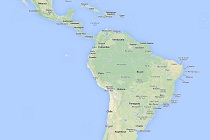 Courtesy: Google Maps
In 'Latin America Update' Gateway House lists some of the important events in Latin America over the past month
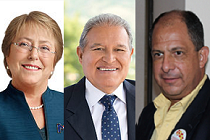 Courtesy: Wikimedia Commons
Latin America continues to turn to the Left. Michelle Bachelet became president of Chile in March and has promised fiscal reform; Salvador Sanchez Ceren took over as president of El Salvador in June and will tackle inequality; and in Costa Rica too, the centre-left Luis Guillermo Solis assumed power
 Courtesy: monotrilho|/Flickr
With elections scheduled in seven Latin American countries, 2014 will be a year of significant political developments in the region. As we enter 2014, Gateway House examines the important events that defined Latin American politics and economy in 2013