amb sk Courtesy: Gateway House
30 April 2026

Unfolding Geopolitics Episode 32 | Iran after the war: survival and strategy 

history, the Palestine issue, the creation of Israel, and strained U.S.-Iran ties. India’s former ambassador to India, Saurabh Kumar, witnessed the hope of the Joint Comprehensive Plan of Action and its collapse. Unfulfilled hopes have led to reignited tensions. The U.S.-Israeli objectives of regime change are still unmet, and Iran’s survival marks a strategic outcome, despite its domestic economic and military strain. Ambassador Kumar discusses Iran and the ongoing crisis in West Asia. 
Website articles  (71) Courtesy: Iran Front Page
2 April 2026

The siege of Iranian higher education

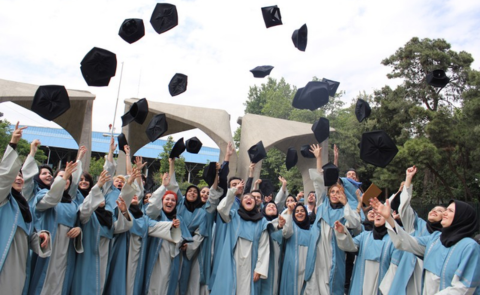
The transformation of higher education and research in Iran over the last twenty years is a cautionary tale in cultural sociology and political economy. Iran has transitioned from a global colleague with high rates of international collaboration to an isolated, ideologically purged state that has pivoted its innovation engine toward survival. The outward migration of talented Iranians is a terminal threat to the nation’s long-term prosperity.

Website articles  (13) Courtesy: Gateway House
5 March 2026

The geometry of attrition: Iran-Israel-U.S. theatre

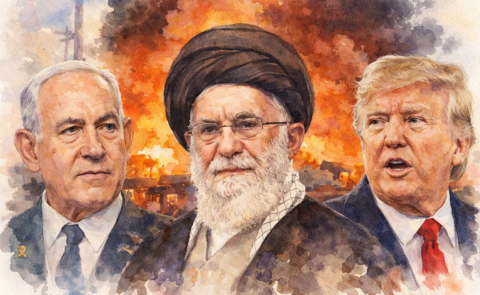
Early indicators of the ongoing war in West Asia point to a conflict trajectory from the rapid decision to the controlled escalation to distributed strike capacity, advanced military integration and mounting regional exposure. Much like Johann Goethe’s Sorcerer’s Apprentice, conflicts initiated based on assumptions of control can acquire a momentum of their own.

News on Air (3) Courtesy: Gateway House
29 January 2026

Iran: away from the Thucydides trap?

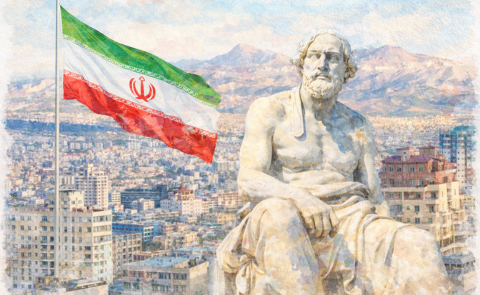
Iran has often stood at the crossroads of social and political metamorphosis and regional geopolitical recalibration, from the Islamic Revolution of 1979 to the attrition of the Iran-Iraq War. The current landscape reflects the convergence, once again, of internal pressures and sharper deterrence postures, that the social compact—from a Lockean and Rousseauian perspective—needs a new edition, and that timely diplomacy to prevent escalation is required.

israel-hamas Courtesy: CivisDaily
17 January 2024

Israel-Palestine: two states … or one?

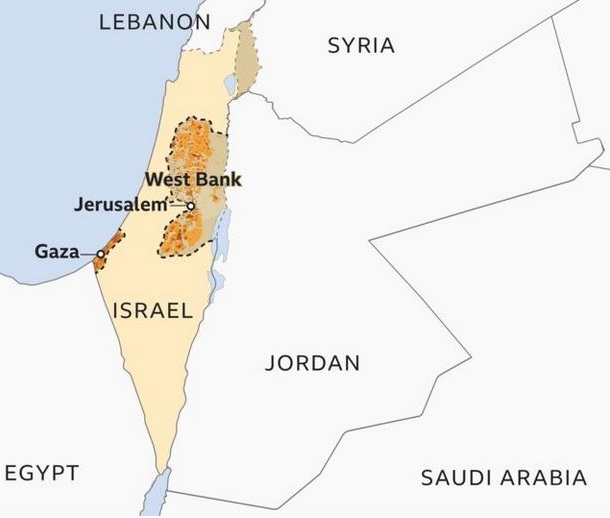
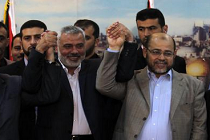
The Oslo Accords’ two-state solution for Palestine-Israel, visualised Gaza and the West Bank as self-governing entities under the Palestinian Authority. That political hope existed in an expanding global economy led by the U.S. and secured by American armies, with the promise of capital flows and investments to develop Palestine on its way to statehood. All this changed in the 2000s, as both Israelis and Palestinians became significant regional actors.

netanyahu-gallant Courtesy: The Jerusalem Post
19 October 2023

The unprecedented days of October

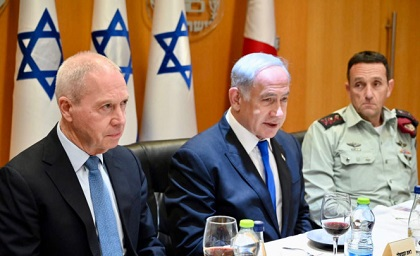
The October 7 intrusion of Hamas into Israel has exposed a respectable military institution and one of the most influential intelligence agencies, impacting their image in a contest where prestige is crucial. It weakens the Palestinian Authority internally and abroad, diminishes any peace processes, buries hope of a two-state solution, and marks the beginning of an unprecedented phase of war with repercussions far beyond the region.

Israel-Saudi Courtesy: Wikipedia
13 July 2015

Reassessing our Israel, Arab engagement

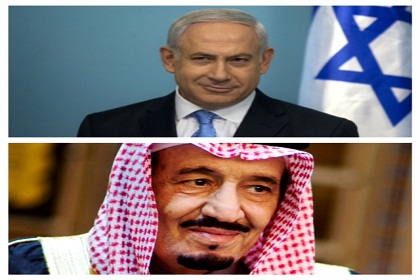
The announcement in June of a Saudi-Israeli alliance against Iran has to be seen in the context of the strategic dimensions of India’s relations with Saudi Arabia, Israel, Iran, and the U.S. And it has far-reaching implications for India’s policy towards West Asia

Arab Republics Courtesy: Synthesio.com
14 August 2014

Federalism for the Arab Republics?

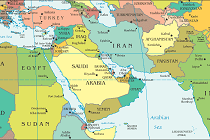
Many Arab Republics are mired in political discord after the departure of the old tyrannical regimes opened up spaces for new struggles. In Iraq, Yemen, Libya, and Sudan, attempts to address the turmoil through constitutional reform are facing challenges. Will a democratic federalism be attained when the battles are done?

west asia Courtesy: Wikipedia.org
27 June 2014

Will ISIS redraw the West Asia map?

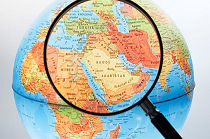
The rise of the militant ISIS will alter the stability and future of all West Asian countries, and can impact India in multiple ways. India must re-evaluate its West Asia policy, and address the safety of its nationals in Iraq, the security of its oil supplies, and the fallout on South Asia of this resurgence of strife