Ivan Courtesy: Gateway House
8 October 2025

Unfolding Geopolitics Episode 23 | India renews engagement with Afghanistan

Afghanistan’s Foreign Minister Amir Khan Muttaqi will visit India on October 10, marking the first high-level Taliban visit since the group took over Kabul in 2021. Nayanima Basu discusses the purpose of this visit and the importance of engagement with Afghanistan. She explains the roles of China, which seeks business; Pakistan, which pursues political interests; and the U.S., which has a renewed interest in Bagram Air Base and its return to the country it abandoned.

ANI Courtesy: ANI
14 August 2025

Is Russia a Red Line for India?

U.S. President Trump will meet Russian President Putin on August 15. A positive outcome may mean removal of punitive U.S. tariffs on India for buying Russian oil and resolving its dilemma of placating a partner country with growing commercial, geopolitical and defence ties, or pursuing strategic autonomy, keeping its old friends and take an economic hit? Is Russia the red line for India?

Gateway House Courtesy: Gateway House
3 July 2025

China Plus One and global supply chains

A slowdown of the Chinese economy, and the shift, particularly by MNCs, from China to other more competitive locations has opened up business opportunities for latecomers to supply chains in the developing world. Evidence suggests that Southeast Asia and some South Asian countries like India, Sri Lanka, Bangladesh, could be beneficiaries of the supply chain shift, particularly in labour-intensive segments.

New Spotlight Magazine Courtesy: New Spotlight Magazine
19 June 2025

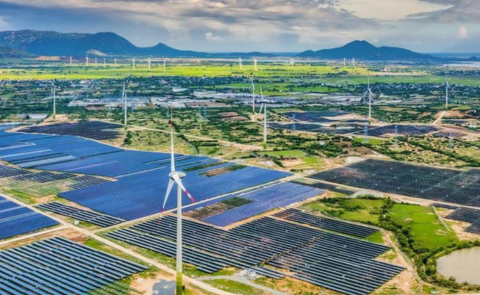
A case for South Asia energy connectivity

Building a robust engagement with India on energy can help offset some of the economic and political crises that most of India’s neighbours are facing. Smaller South Asian neighbours will benefit from cheaper electricity and oil, paving the way for greater regional economic cooperation.

Joint Statement from the Quad Foreign Ministers’ Meeting in Washington Courtesy: U.S. Embassy & Consulates in India
19 June 2025

Reappraising QUAD post Pahalgam

The July 2 meeting of the QUAD foreign ministers in Washington, D.C., restated all the commitments of the grouping, including a condemnation of the April 22 terrorist attacks on Pahalgam. Yet, none of the QUAD countries actually came to the aid of India, despite China being a present player in the fight, in full support of its partner Pakistan.

The New Indian Express Courtesy: The New Indian Express
19 May 2025

Post-Pahalgam diplomacy

Studying the reaction of key stakeholders to the India-Pakistan conflict, and how India’s diplomatic machine coped with it, is revealing. Some of the major powers like the U.S., raised the temperature, China expectedly stood by Pakistan while Russia once again proved a dependable friend. Unsurprisingly, South Asia had a consistently neutral stance toward the conflict.

Getty (1) Courtesy: Gateway House
15 May 2025

The New Geopolitics and South Asia’s Trade Architecture – What Next?

Geopolitics is increasingly intertwined with the economic destiny of South Asia. Even before the U.S. tariffs were rolled out, growing polycrises had hit the global economy, which has been struggling since the pandemic. South Asia seems a relatively bright spark of regional trade and growth. This paper analyses South Asia’s trade architecture in the backdrop of a sluggish world economy in the 2020s, and makes recommendations for closer regional economic integration.

jirga Courtesy:
16 October 2024

Pakistan’s provinces demand electricity equity

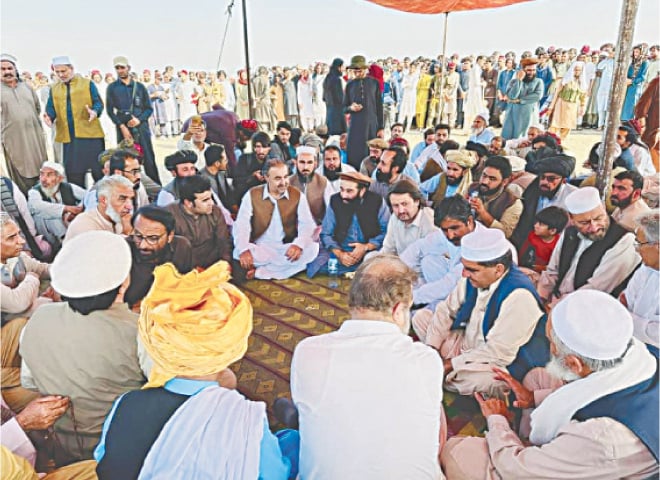
In the backdrop of the Shanghai Cooperation Organisation summit being held in Islamabad this week, is a restive state and peoples. Three high profile attacks in just a week were followed by a show of defiance from the large Pashtun community, demanding political equity – but also electricity concessions. The military has been stepping in to resolve commercial power deals, underlining the criticality of this issue in Pakistan.

ss-ss Courtesy:
5 September 2024

Pakistan’s inflated GDP, deflated debt

Pakistan’s latest economic data tries to paint a cheerful picture, but the economy is still in deep trouble. The main culprit is the ‘managed’ float of the Pakistani rupee, which covers for a multitude of other sins.

534795_0_68_720_473_1920x0_80_0_0_27a8f74ace78cb73d7b0ab2075f99b85 Courtesy: Sputnik India
30 May 2024

Trouble in Pakistan’s periphery

Pakistan’s peripheral regions have long been treated as colonies to benefit the Punjabi core. This neglect is facing a vigorous pushback, in the form of peaceful protests and violent resistance. The economic crisis has exacerbated tensions in Baluchistan, Khyber Pakhtunkhwa and Gilgit-Baltistan, which remain poor despite abundant natural resources.