Ivan Courtesy: Gateway House
8 October 2025

Unfolding Geopolitics Episode 23 | India renews engagement with Afghanistan

Afghanistan’s Foreign Minister Amir Khan Muttaqi will visit India on October 10, marking the first high-level Taliban visit since the group took over Kabul in 2021. Nayanima Basu discusses the purpose of this visit and the importance of engagement with Afghanistan. She explains the roles of China, which seeks business; Pakistan, which pursues political interests; and the U.S., which has a renewed interest in Bagram Air Base and its return to the country it abandoned.

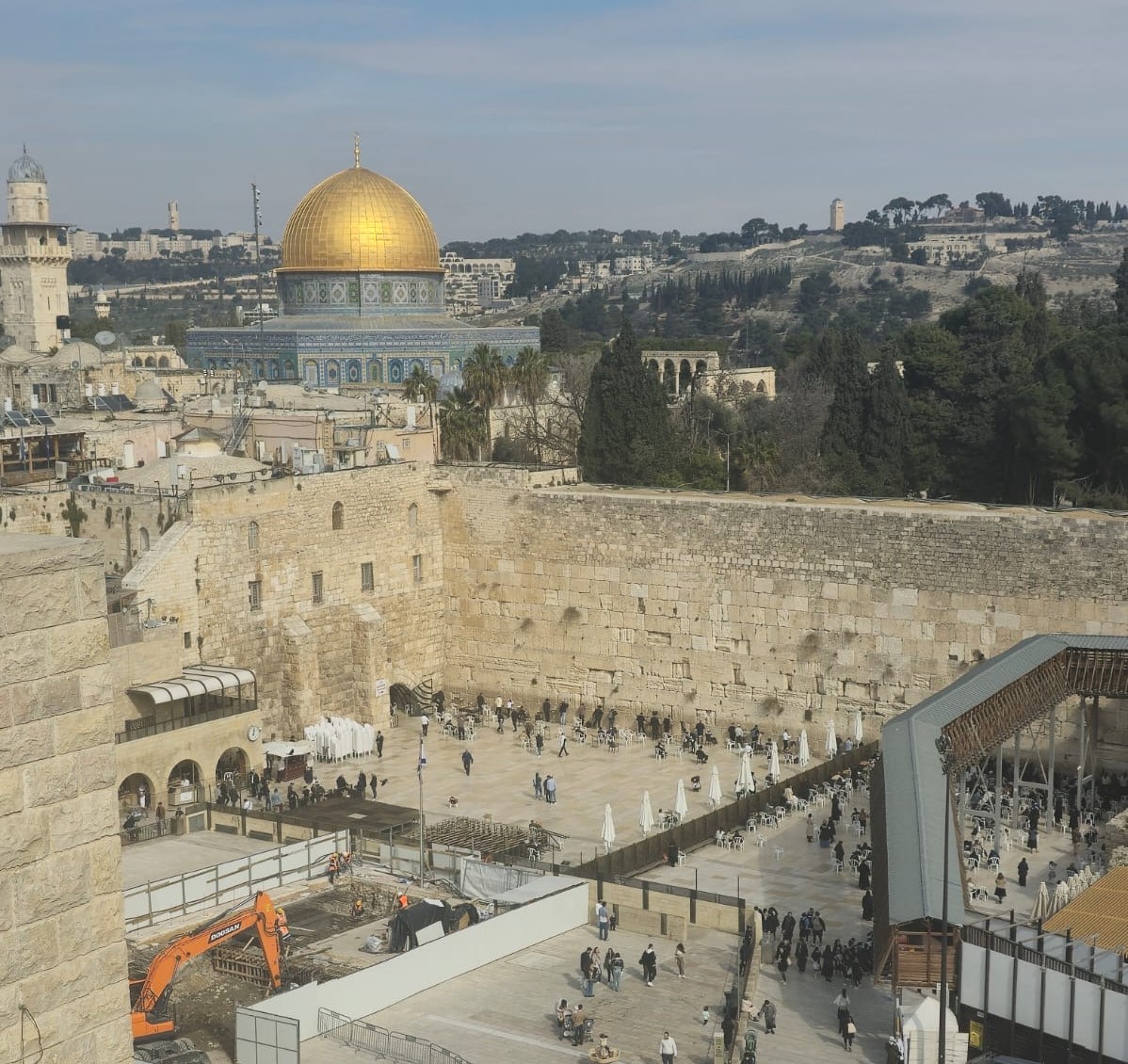
A view of the Western Wall and Dome of the Rock. Source: Sifra Lentin Courtesy: Gateway House
20 February 2025

A ‘ceasefire’ visit to Israel

A visit to Israel in the last week of January coincided with the six-week ceasefire between Israel and Hamas and the 80th anniversary of the Holocaust in which 6 million Jews were killed during the Second World War. It revealed a country at war and in mourning, yet one whose natural resilience looked to the future with optimism.

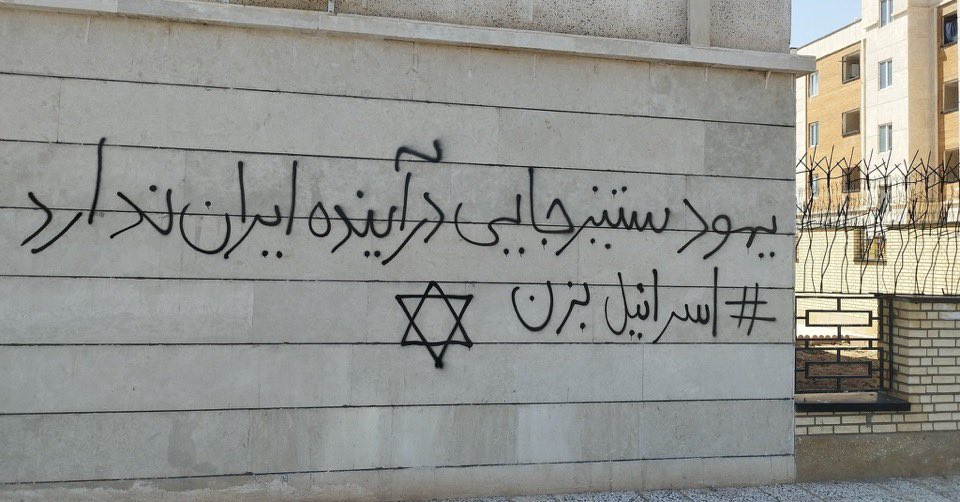
Graffiti in Tehran: “Antisemitism has no place in the future of Iran.” (Source: X / Jaime Kirzner-Roberts) Courtesy: X / Jaime Kirzner-Roberts
2 January 2025

Iran’s Jews in the crosshairs

Iran has the largest Jewish diaspora in the Middle East outside of Israel. Since the 7 October 2023 attack on Israel by Hamas, a proxy of Iran, the Iranian Jews have been publicly denouncing Israel’s actions in Gaza and Lebanon. Is this a sign of a loyal community or one under pressure from Iran’s ruling regime?

354545 Courtesy:
12 December 2024

Saudi Arabia’s rising regional positioning

At a time of high geo-political tensions, the Kingdom of Saudi Arabia can play a calming role as it mediates between the U.S., Israel, and Iran. It is enabled by its own diplomacy, moving to strengthen ties with Iran, with the Gulf nations slowly coalescing on issues. For the first time, it is being done without the U.S. as interlocutor.

F241028YS201 Courtesy:
31 October 2024

Netanyahu the political survivor 

Israeli Prime Minister Benjamin Netanyahu has secured his political survival since October 7 by managing his key constituencies – domestic and in the U.S. – and doubling down on his war strategy. Now he is making another calculated risk – to ensure a non-nuclear Iran, and thereby his continued political positioning.

Screenshot 2024-10-28 at 9.29.05 AM Courtesy:
28 October 2024

China’s expanding role in the Middle East

The Maritime Silk Road, the Belt and Road Initiative, and a sizeable catalogue of agreements with actors from Kabul to Tel-Aviv have been the basis for the growing presence of China spanning the military, diplomatic, economic, and political spheres in the Middle East.

download Courtesy:
20 June 2024

A new Mexico for a new Middle East

On June 3, Claudia Sheinbaum made history by becoming the first woman elected President of Mexico. In terms of foreign policy and carving a geopolitical identity, this marks the beginning of a new stage of Mexican integration into the global agenda. It provides another dimension for international stability, including a revitalized Mexican perspective of the Middle East.

israel-hamas Courtesy: CivisDaily
17 January 2024

Israel-Palestine: two states … or one?

The Oslo Accords’ two-state solution for Palestine-Israel, visualised Gaza and the West Bank as self-governing entities under the Palestinian Authority. That political hope existed in an expanding global economy led by the U.S. and secured by American armies, with the promise of capital flows and investments to develop Palestine on its way to statehood. All this changed in the 2000s, as both Israelis and Palestinians became significant regional actors.

netanyahu-gallant Courtesy: The Jerusalem Post
19 October 2023

The unprecedented days of October

The October 7 intrusion of Hamas into Israel has exposed a respectable military institution and one of the most influential intelligence agencies, impacting their image in a contest where prestige is crucial. It weakens the Palestinian Authority internally and abroad, diminishes any peace processes, buries hope of a two-state solution, and marks the beginning of an unprecedented phase of war with repercussions far beyond the region.

National Security Advisors' Meeting Courtesy: Observer Research Foundation
24 August 2023

Jeddah is the ‘new’ Vienna

In West Asia, nations such as Saudi Arabia and other Gulf countries are starting to understand their pivotal geopolitical positioning in world affairs – and are making calibrated and strategic moves to preserve or recover global stability. It’s welcome at a time when more than two dozen conflicts are ongoing, when geopolitical rivals have hardened their positions, and diplomacy has failed to de-escalate in the primary contests.