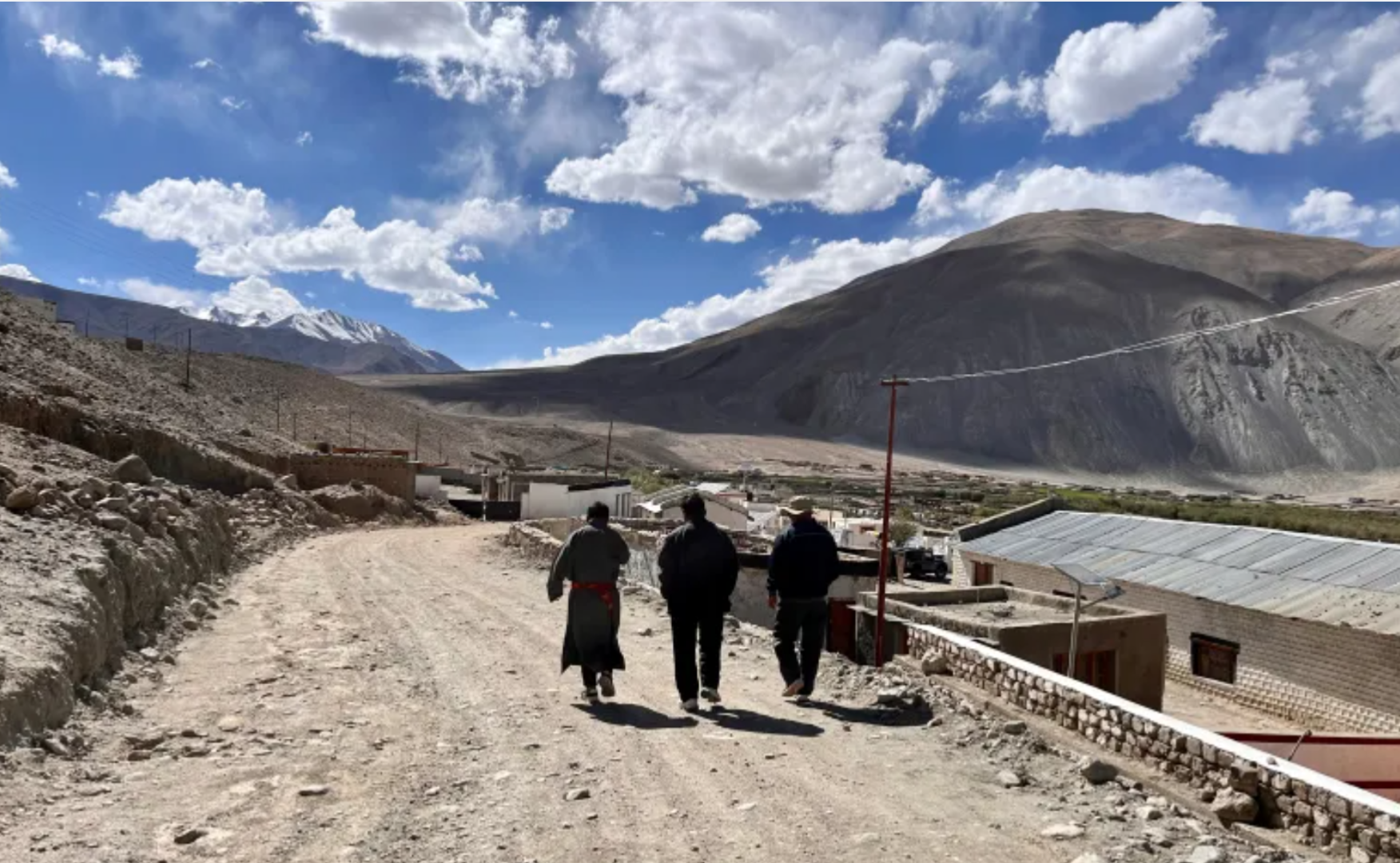
Ladakh is getting new districts, even a new High Court bench, but not the statehood it was promised by the Indian government when Article 370 and 35A were abrogated in August 2019. Seven years later, locals are restless and New Delhi has yet to find a permanent solution by way of a Constitutional guarantee.
The tussle between the directors on the Tata Sons’ board has drawn attention to the company’s largest shareholder: the Tata Trusts. The Trusts hold a 66% stake in Tata Sons and have pushed back against diluting it through a public listing. A look at the vision for and establishment of the Tata Institute of Fundamental Research in Bombay, supported by the Trusts, underscores the pioneering philanthropy the Tatas always practised.
The visit of Indian External Affairs Minister S. Jaishankar to three African countries – Ghana, Côte d’Ivoire and Ethiopia – from October 6 to 10 was an important step in imparting fresh momentum to bilateral relations with these countries. It also drew public attention to the imperative of continuing the multi-dimensional partnership between India and Africa.
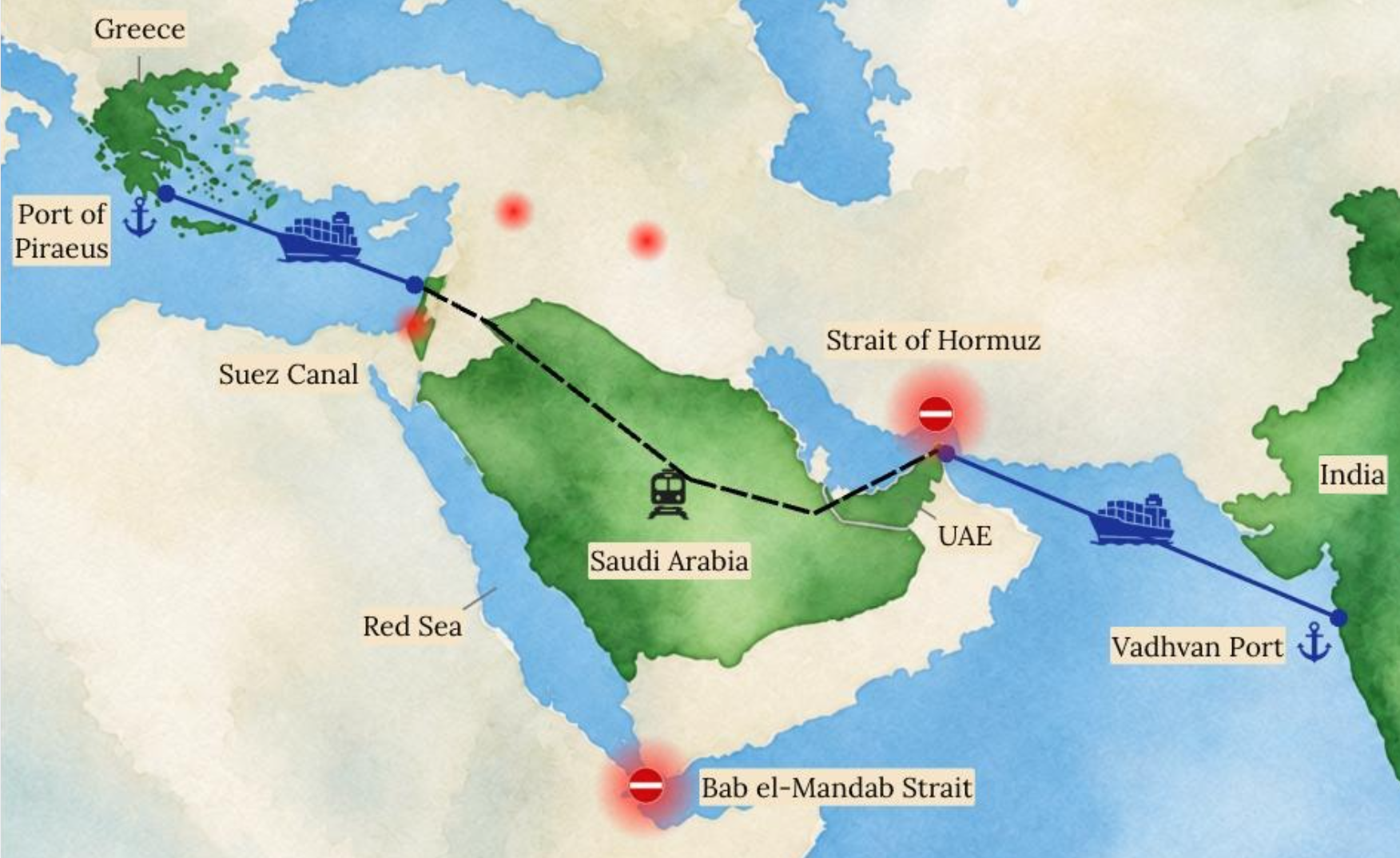
The India-Middle East-Europe Economic Corridor, currently stalled due to conflicts in the Gulf, may be an answer to the disrupted energy flows from the Persian Gulf. The proposed route, which connects the interior of Saudi Arabia to the Arabian Sea on one side and the Mediterranean Sea on the other, has immense value as a conduit for West Asian oil, as well as global data flows.
India’s Digital Public Infrastructure is spawning important services in agriculture which, when combined with Artificial Intelligence, is giving access to the country’s remotest and most linguistically diverse farmers. The state of Maharashtra is a case study in how this works, at scale and diversity. Components from the India example are being adapted in countries like Ethiopia with needs for similarly varied populations.
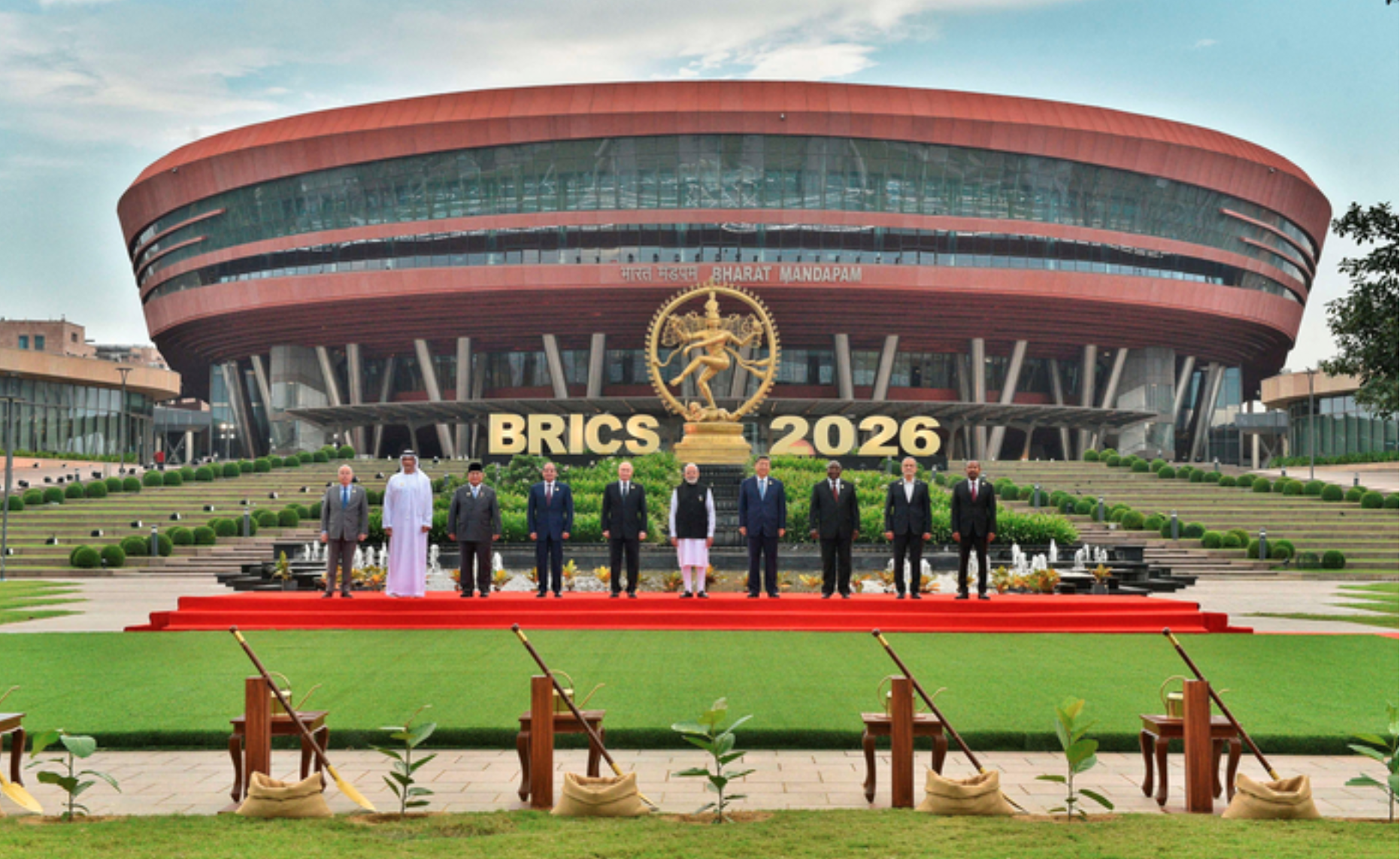
The recent BRICS Summit in New Delhi was declared a success. Its 140-paragraph New Delhi Declaration is the longest yet. With members divided over the Russia-Ukraine and West Asia wars, leaders avoided naming countries or taking positions, focusing on issues affecting the Global South and deepening intra-BRICS cooperation. India steered the grouping towards practical cooperation. The question now is: how will BRICS implement the decisions taken?
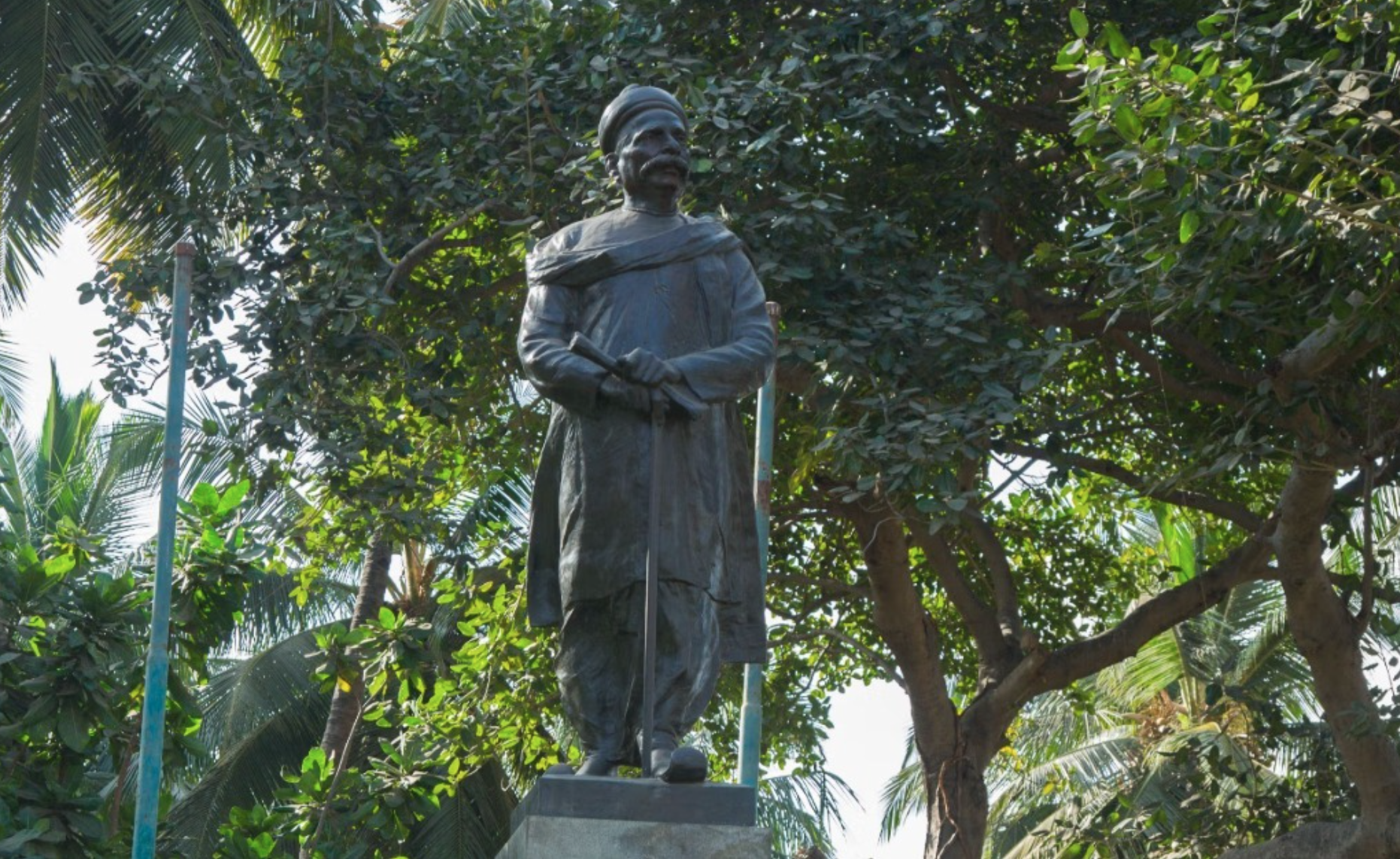
Ganesh Chaturthi festivities began in Mumbai on September 14 and continue till September 25, when the city’s beloved elephant-headed God and Remover of Obstacles is immersed in the sea. Revolutionary freedom fighter Bal Gangadhar Tilak introduced the festival with its public worship to rouse the masses against British colonial rule. The revolutionary and the messaging of the festival continue to hold meaning in contemporary India.
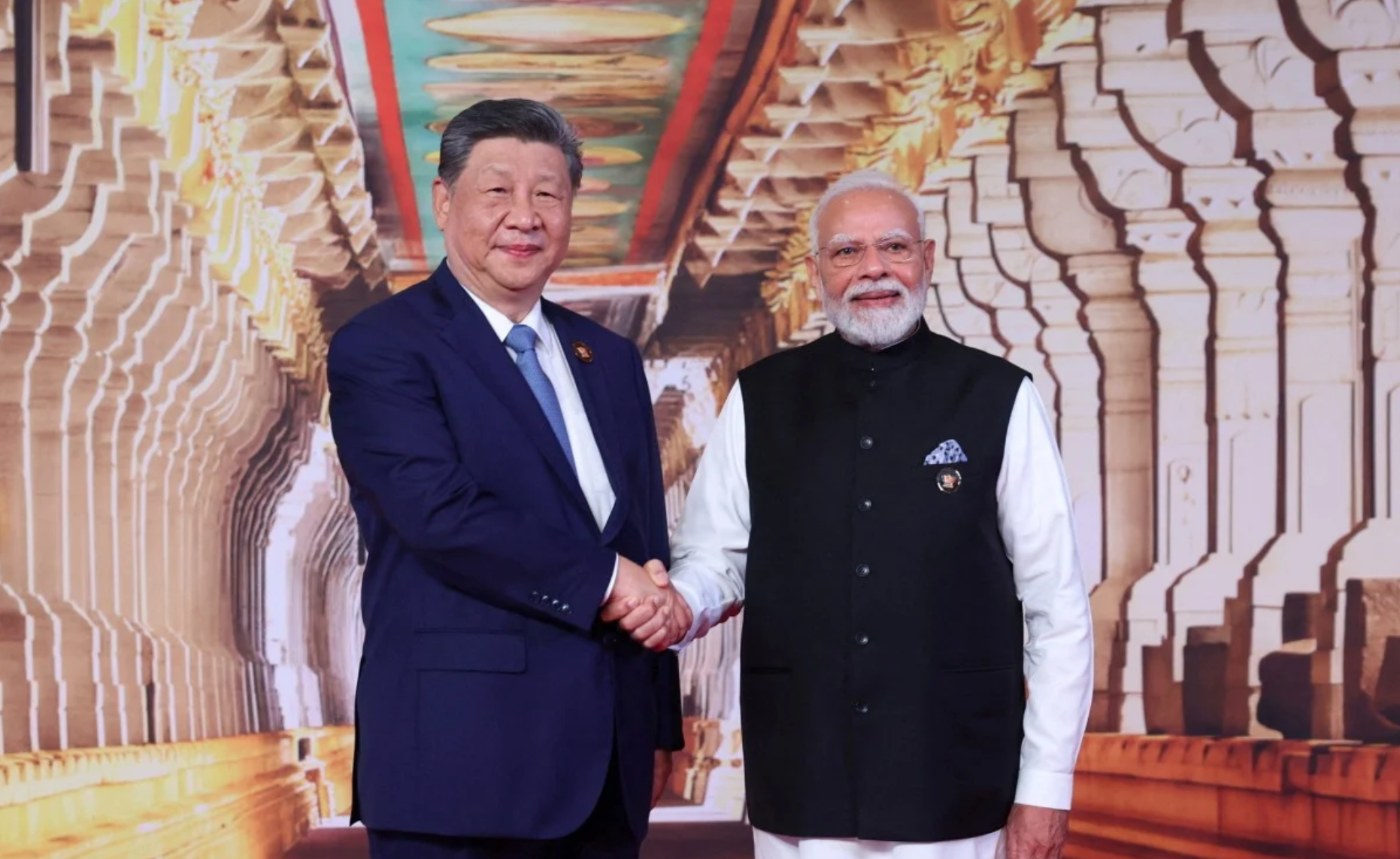
In less than 60 days, India and China held four major bilateral dialogues, all targeted at finding a solution to the boundary issue whilst maintaining peace on the border. In August, they held diplomatic level talks, followed by discussions between the Special Representatives, culminating in a first-of-its-kind Corps Commander-level flag meeting in early September. Finally came the bilateral meeting between PM Narendra Modi and Chinese President Xi Jinping.
India’s Eurasian shift will play itself out in the upcoming BRICS Summit. This is in contrast to just four years ago, when India cultivated the West, especially the U.S., in the aftermath of the 2020 Galwan clashes. Now with the U.S.’ tough tariffs and trade negotiations, India has made space to lean towards the Eurasian groupings, emphasising its long-held foreign policy principle of strategic balancing.
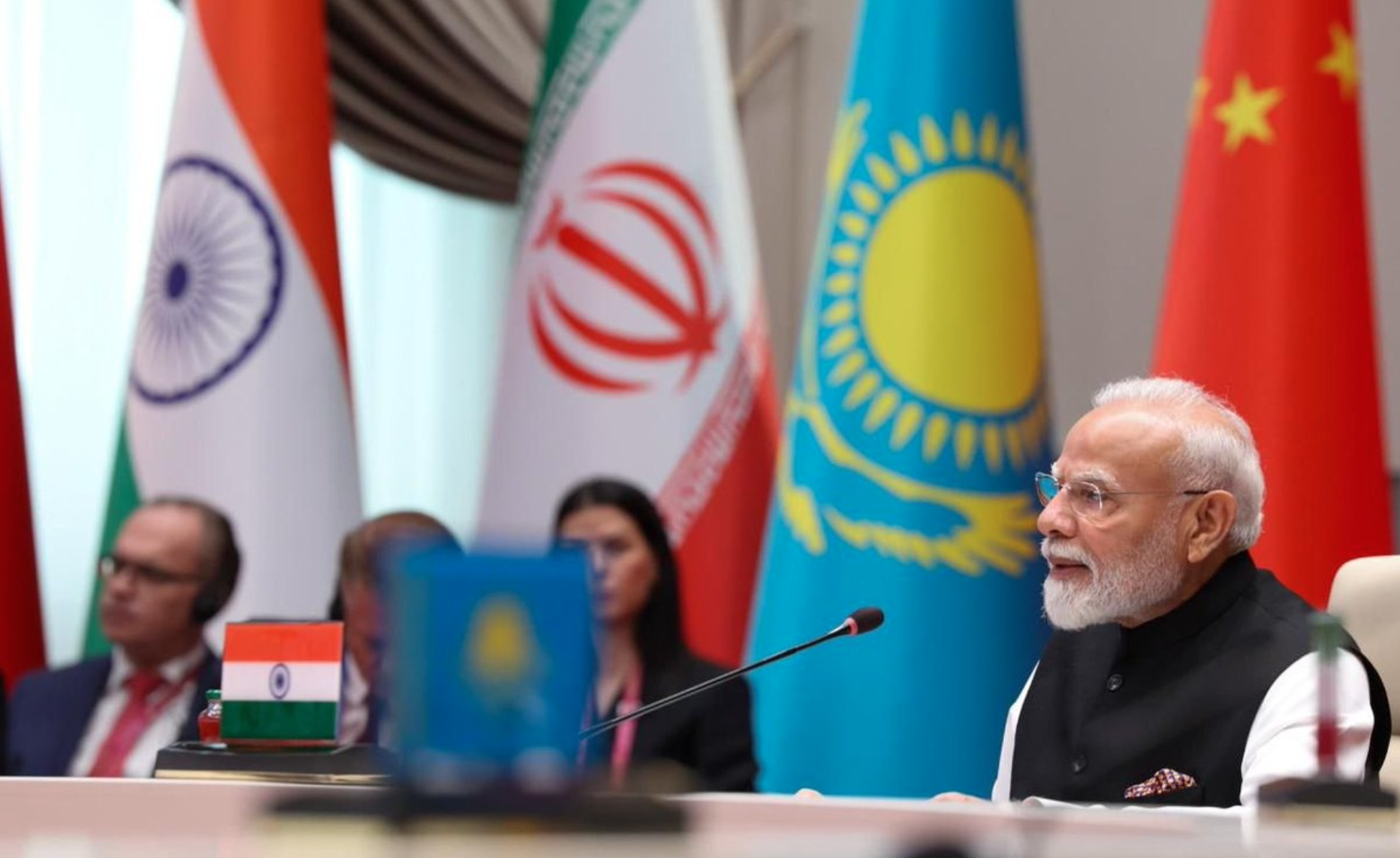
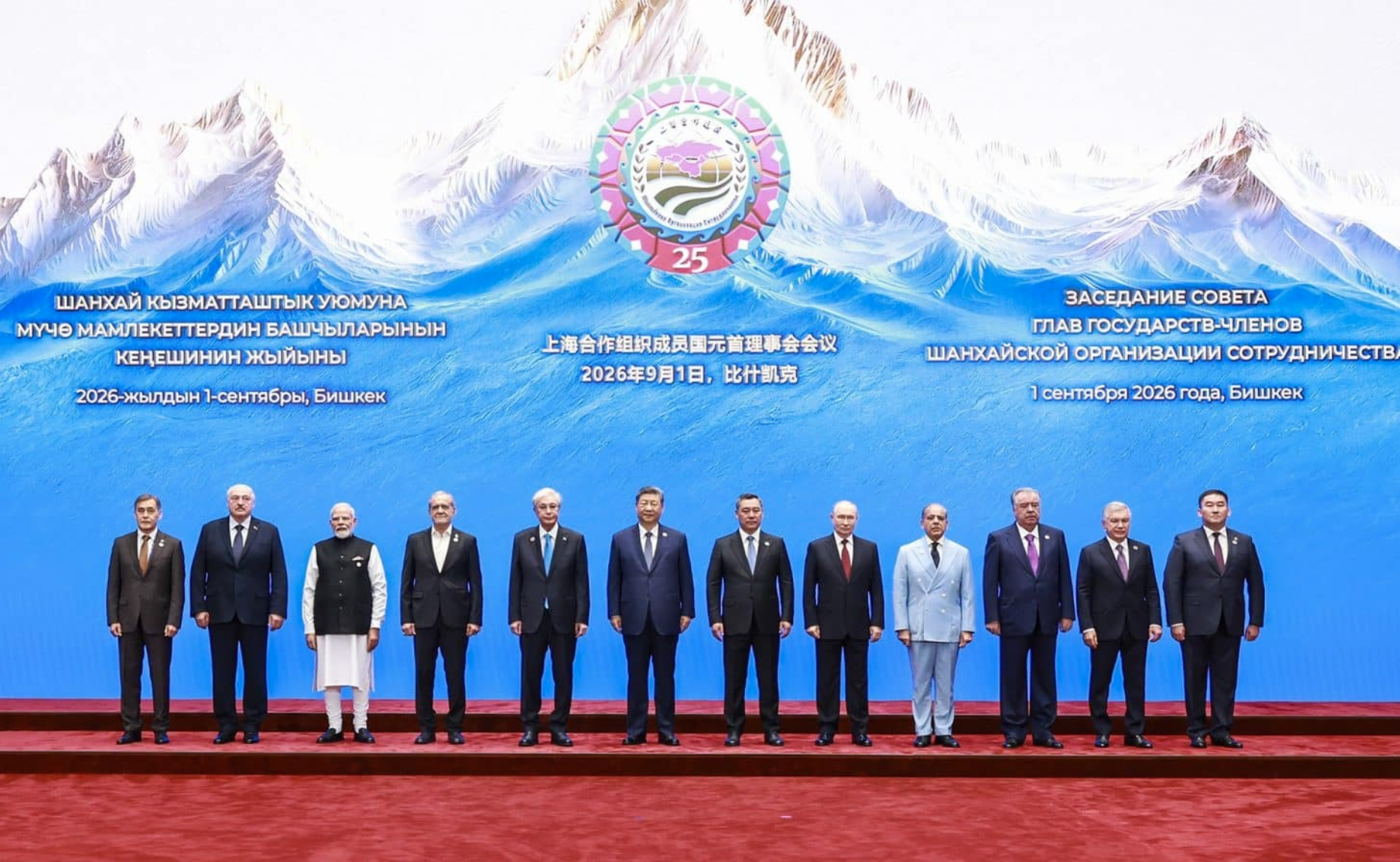
The SCO aims to be more than a security dialogue, because churn in the global order means not only military power but includes new instruments like infrastructure, energy and technology. The SCO has potential here. China’s factories, Russia’s energy and resources, India’s technology and services, and Central Asia’s location and minerals, connected to Iran and Pakistan’s location on the Arabian Sea, could become a formidable economic geography.