The Emerging Exception
The traditional label of ‘middle power’ fails to capture India’s growing status. The country’s ability to shape the international discourse is no longer in question. India sees itself as a key player the global order.

 Courtesy: The Diplomatist
The traditional label of ‘middle power’ fails to capture India’s growing status. The country’s ability to shape the international discourse is no longer in question. India sees itself as a key player the global order.
 Courtesy: PTI
Operation Sindoor conveyed three messages: First, to Pakistan that it will have to bear the consequences of continuing to support terrorism. Second, to terrorists, that Bharat will inflict the same pain, if not more, than they inflict on Indian citizens. Third, to the world, that Bharat is resolute in responding to terrorism in a “measured, non-escalatory, proportionate, and responsible” manner.
 Courtesy: Agence France-Presse
India-China relations, undergoing a thaw since October 2024, have been slow to mend. In this scenario it is worth examining what assistance China can give Pakistan in case of military action by India, post Pahalgam. The state of play on the India-China border will also have a major implication for this.
 Courtesy: PTI
Amid polycrises, from pandemics to wars and trade wars, the global order is in flux, with the contours of the new order still unclear. As the world marks the 70th anniversary of the historic Bandung Conference, this article analyses how its Ten Principles still resonate in today's fractured geopolitical landscape and offer a roadmap for equity, inclusivity, and balance.
 Courtesy: ANI
The 6th BIMSTEC Summit in Bangkok on April 4, 2025 saw progress for the organisation, such as the adoption of a ‘Vision 2030’ plan outlining its goals till 2030. In other areas, the grouping continues to lag. BIMSTEC must watch for potential challenges to its future as it seeks to bridge the gaps.
 Courtesy: Hindustan Times
The Indo-Pacific region is vital to India’s security and economic development. With escalating threats and geopolitical competition in the region, India is seeking a favourable position through its bilateral ties with countries like Mauritius, New Zealand, Singapore, Thailand, Australia and the U.S. and special attention must be paid to the various plurilateral groupings India is a part of, to manage future issues.
 Courtesy: X
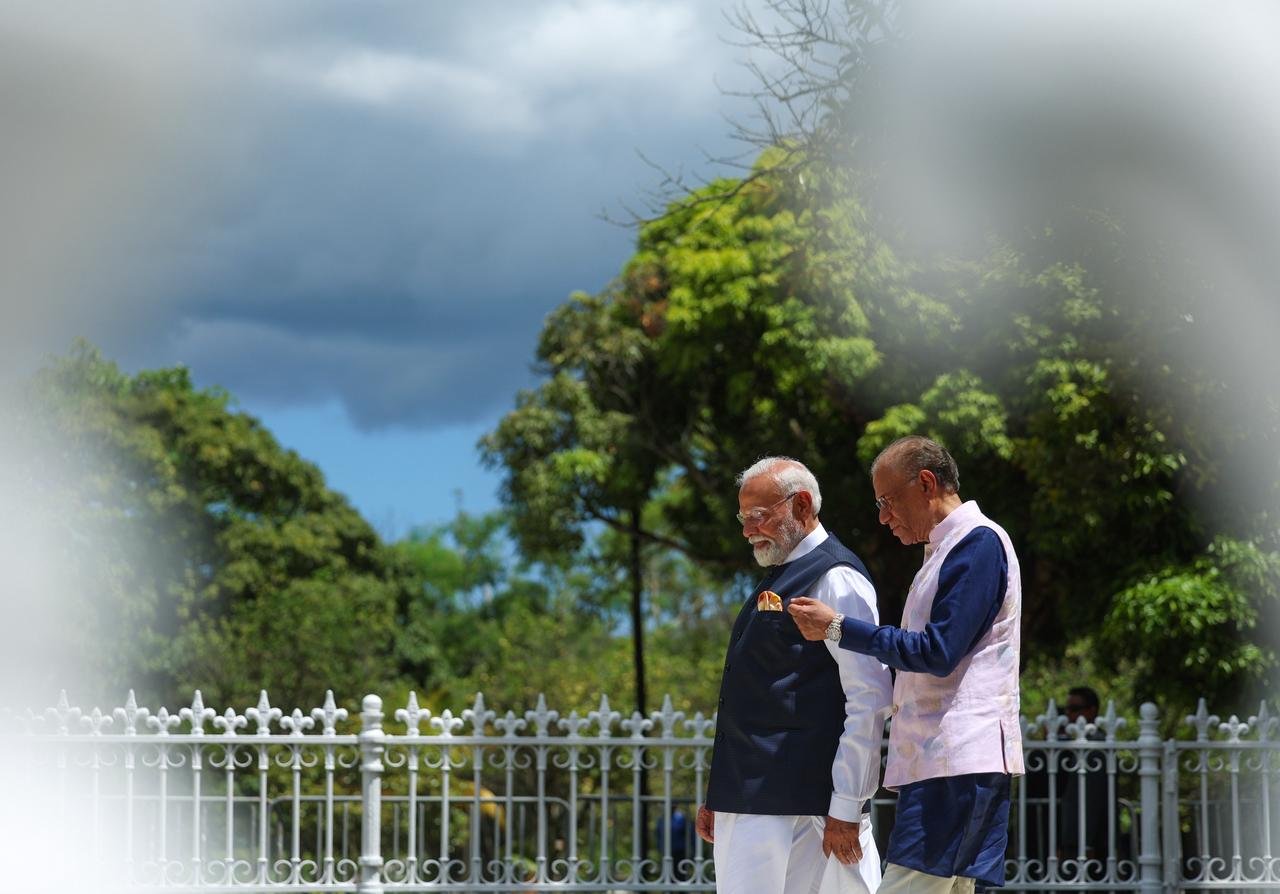
Prime Minister Narendra Modi’s state visit to Mauritius reinforced the strategic partnership between the two nations amid growing geopolitical competition in the Indian Ocean. The visit introduced the Mahasagar vision for regional security and growth while advancing cooperation in trade, defence, digital infrastructure, and people-to-people ties. With the shared historical, cultural, and economic ties, Mauritius remains pivotal to India’s Indo-Pacific strategy.
 Courtesy: Gateway House
Japan's growing influence in India’s Northeast and Bay of Bengal region is proving to be a gamechanger, with the potential to transform its economic and geopolitical landscape. With cultural ties and strategic investments, states like Assam and Meghalaya hope to enhance development while fostering a mutually beneficial relationship with Japan. Additionally, the latter could help ensure wider regional stability given the tensions with Bangladesh and Myanmar.
 Courtesy: X
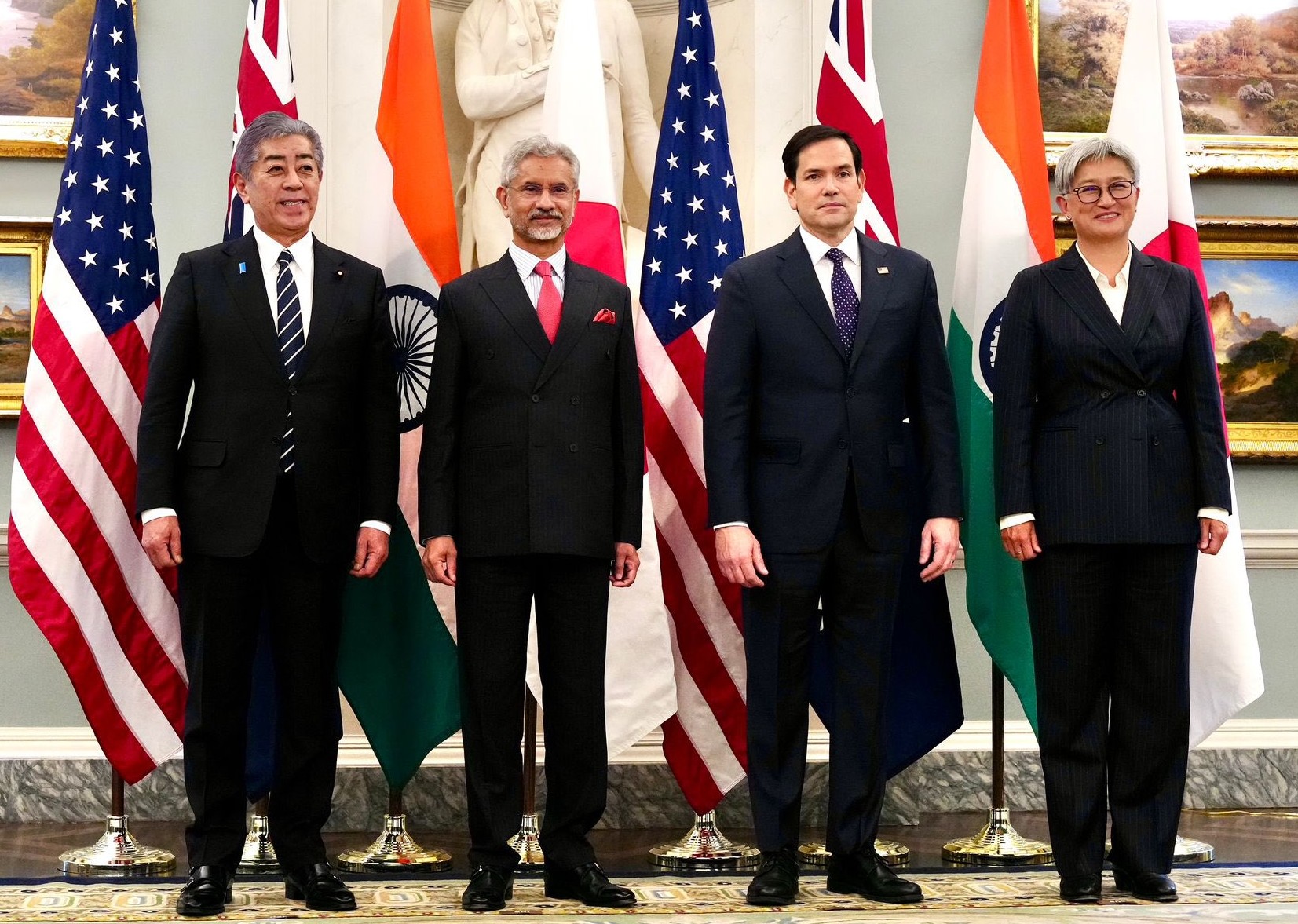
The first plurilateral meeting attended by new U.S. Secretary of State Marco Rubio was the Quad, a day after assuming office. The meeting reinforced the commitment to the Indo-Pacific but with the change in government, the Quad's trajectory in 2025 remains a question. Part of the answer lies in its past interactions, while the rest depends on how the U.S. and India will approach China.
 Courtesy: AFP
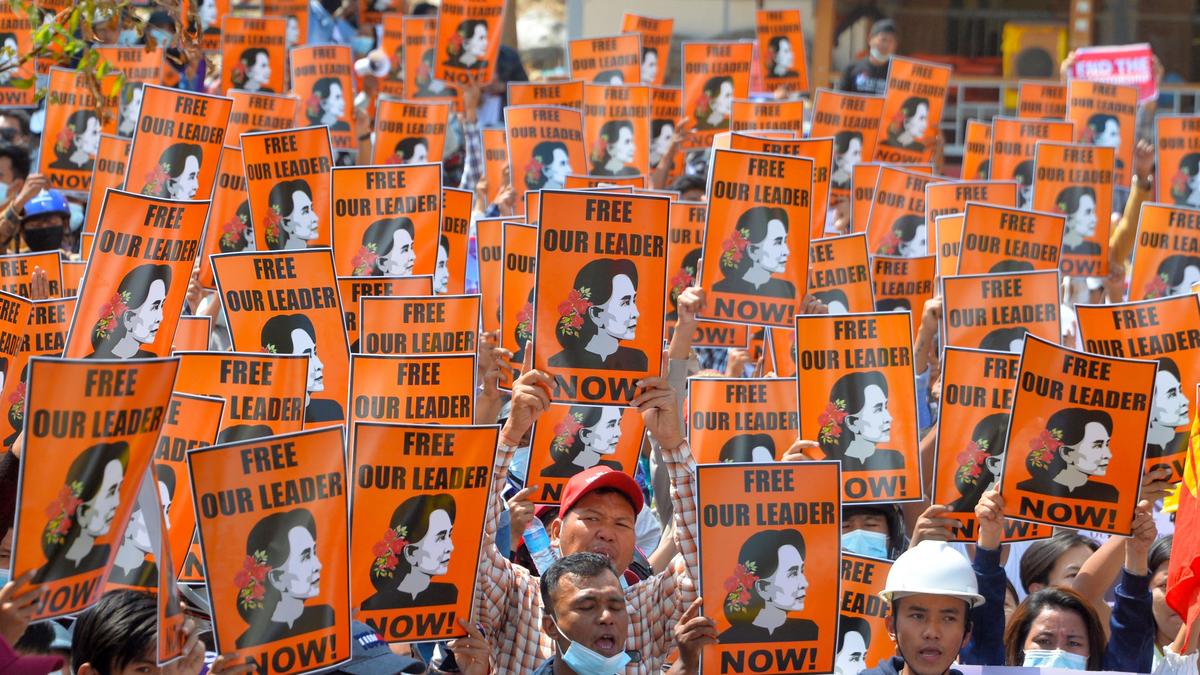
February 1 marks four years of the military coup in Myanmar, which plunged the country into a bloody civil war, still on-going. The crisis is deepening, as the struggle between the Junta forces and a fragmented resistance wages on with no resolution in sight. A stalled mediation by ASEAN, and lack of consensus amongst neighbouring countries on how to help, leaves Myanmar’s future uncertain.