Chinese manoeuvres further confounding Middle East
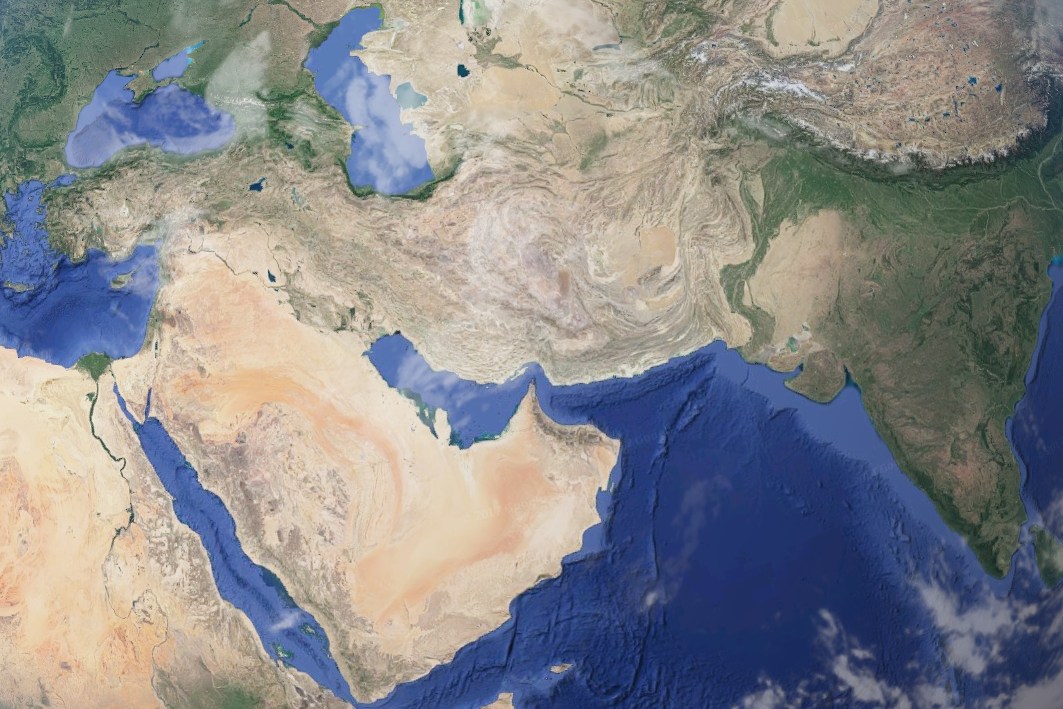
A conference in Doha on ‘Enriching the Middle East’s Economic Future’ offered many insights into the nature of geopolitical relations in the region and India’s significant role in it

 Courtesy: to put
A conference in Doha on ‘Enriching the Middle East’s Economic Future’ offered many insights into the nature of geopolitical relations in the region and India’s significant role in it
 Courtesy:
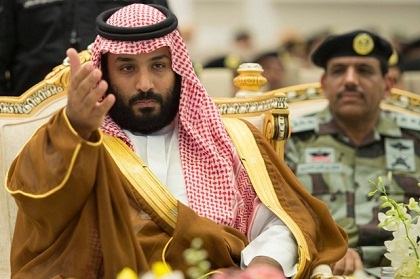
The removal of 11 top ministers in the Riyadh government last week by the young crown prince Mohammad bin Salman, is a geopolitical upheaval, the implications are serious. Domestically, the kingdom is seeking to liberalise its conservative society and move away from oil-dependency – evident from the expected listing of its crown jewel Aramco. For India, which imports oil largely from West Asia, instability could cause a spike in prices, leaving less for its ambitious reforms. Globally, there is now space for new alignments – in the Great Power plays, in the Shia-Sunni rivalry, and in the war on terrorism.
 Courtesy: Narendramodi.in
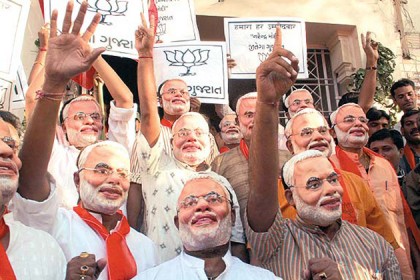
Narendra Modi’s landslide victory in India's 2014 general elections, despite his hardline nationalist image, was viewed as a localised phenomenon. But two years later, voters across the world from Europe to Philippines seem to be tilting towards leaders with the same nationalist tag.
 Courtesy: Dawn Endico
Today ISIS is the gravest international security threat. To defeat ISIS, the world should pay heed to India’s experience of the need to isolate state sponsors of terrorism. Ultimately, only when Saudi Arabia acknowledges the danger to its own survival from past policies of alleged support to extremist groups, can it be a reliable partner in the fight against ISIS.
 Courtesy:
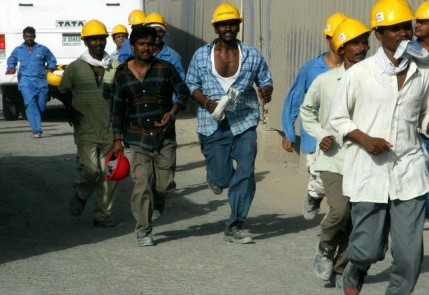
The jobs of 6.5 million Indians working in GCC countries could be at risk due to the fall in global oil prices. Securing the interests of these workers should be on Prime Minister Modi’s agenda when he visits UAE on August 16-17
 Courtesy: Wikipedia
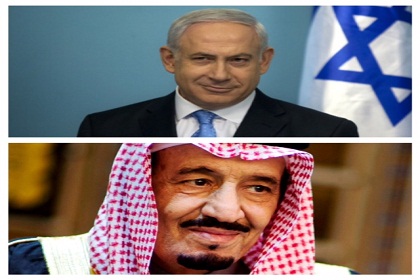
The announcement in June of a Saudi-Israeli alliance against Iran has to be seen in the context of the strategic dimensions of India’s relations with Saudi Arabia, Israel, Iran, and the U.S. And it has far-reaching implications for India’s policy towards West Asia
 Courtesy: http://photodivision.gov.in/
Last week, petroleum prices reached a five-year low, and the fall is likely to last as new production and alternative sources enter the market. India, which has a huge petroleum products bill, now has a chance to shock-proof its economy, diversify dependence away from West Asia, and become energy-efficient
 Courtesy: U.S. Staff Sergeant Aaron Allmon
Obama’s strategy to target the IS in Syria within the framework of a U.S.-led international coalition has met with a tepid response. There are reports that the U.S may offer India a non-NATO ally status during Modi’s upcoming visit in a bid to seek greater support – a gesture that India will do well to disregard.
 Courtesy: wikimedia\commons
The growing ISIS-driven violence in Iraq highlights India’s vulnerability to the turmoil in West Asia: we heavily depend on the region for our energy. To insulate the country’s energy security from the upheavals, India must urgently diversify its sources and types of fuel, and develop its own energy ecosystem
 Courtesy: Google Maps
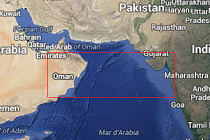
An underwater gas pipeline project connecting Oman with India’s west coast is being resurrected. Several factors explain the renewed interest, including the relaxing of sanctions against Iran and India’s need to counter-balance geopolitical and security considerations dogging other land-based projects