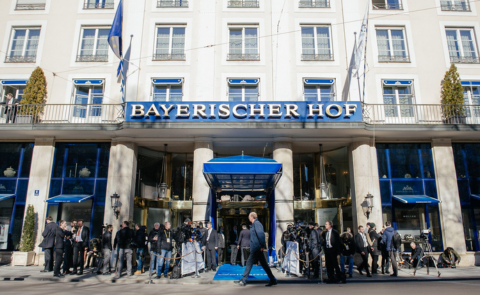
Website articles  (48) Courtesy: Bayerischer Rundfunk
25 February 2026

Munich diary: Europe at the crossroads

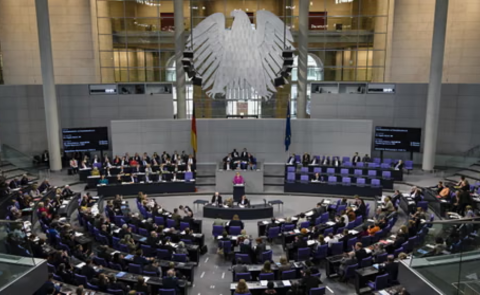
During the week of the Munich Security Conference, Munich transformed into a temporary capital of global diplomacy. Gateway House participated and hosted a Side Event, “Multipolarity without Multilateralism: India, Europe and the Future of Global Order” on February 14. This diary captures observations from the conference and the city, reflecting on Europe’s evolving priorities and how the continent assesses its role in an increasingly fragmented world.
2 (3) Courtesy: Getty Images
5 February 2026

Germany’s reform under strain

Germany’s prospects in 2026 are defined by tension rather than momentum. The country is neither in crisis nor comfortably on a path to renewal. Instead, it is engaged in a difficult process of adjustment, seeking to reconcile fiscal restraint with strategic ambition, social protection with demographic reality, and climate leadership with industrial competitiveness.

News on Air (3) Courtesy: Gateway House
29 January 2026

Iran: away from the Thucydides trap?

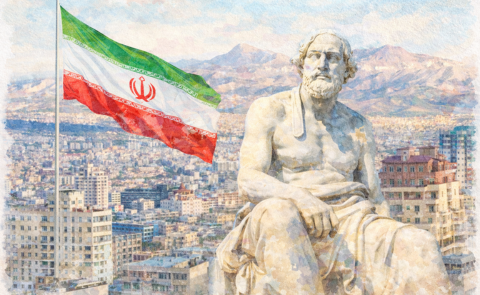
Iran has often stood at the crossroads of social and political metamorphosis and regional geopolitical recalibration, from the Islamic Revolution of 1979 to the attrition of the Iran-Iraq War. The current landscape reflects the convergence, once again, of internal pressures and sharper deterrence postures, that the social compact—from a Lockean and Rousseauian perspective—needs a new edition, and that timely diplomacy to prevent escalation is required.

Website articles  (29) Courtesy: Somaliland Presidential Office
15 January 2026

Somaliland recognition strengthens alternative diplomacy ecosystem

Israel’s recognition of Somaliland as an independent state in December 2025 is not merely a diplomatic gesture toward a long-marginalised polity; it is a strategic act with implications for Somalia’s territorial integrity, regional security dynamics, great-power competition, and the evolving politics of recognition in a fractured international order.

Website articles  (3) Courtesy: AFP
13 November 2025

Pax Fragilis in Gaza: rupture and repair

The arc of revolutions has two acts: rupture - upending the status quo - and the craft of repair. Often, the second is as hard as the first. Today's Pax Fragilis in Gaza is narrow, given the continuing humanitarian crisis, regional reactiveness, limited scope of de-escalation channels, multiple actors' motivations for a permanent ceasefire, and the capabilities of Israel and Palestine to build a pathway with certainty.

IMEC map with source Courtesy: Gateway House
11 June 2025

IMEC: more than just a corridor

The proposed IMEC corridor connecting India to Europe through the Gulf can be transformative, helping to reduce risks to the global movement of goods and data. It’s early days yet, and there are gaps to be filled in terms of missing infrastructure and overcoming a diplomatic rift.

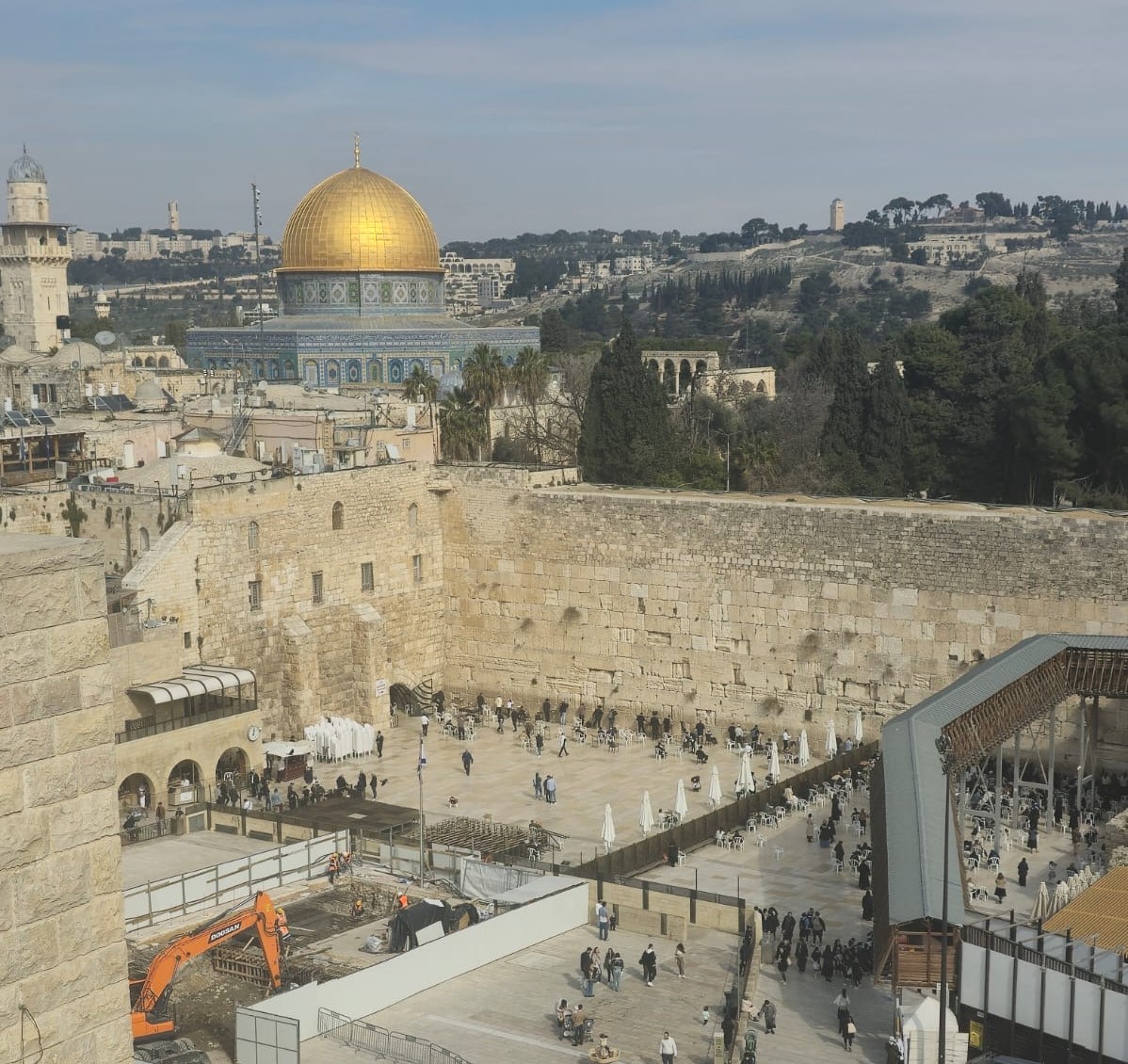
A view of the Western Wall and Dome of the Rock. Source: Sifra Lentin Courtesy: Gateway House
20 February 2025

A ‘ceasefire’ visit to Israel

A visit to Israel in the last week of January coincided with the six-week ceasefire between Israel and Hamas and the 80th anniversary of the Holocaust in which 6 million Jews were killed during the Second World War. It revealed a country at war and in mourning, yet one whose natural resilience looked to the future with optimism.

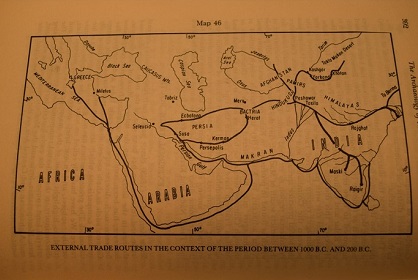
Map-2-International-Trade Courtesy: Oxford University Press
23 January 2025

The ancient precursor to IMEC

The India Middle-East Europe Economic Corridor (IMEC) announced during India’s G20 leaders’ summit in September 2023 aims at security and ease of connectivity by multi-modal physical, digital and energy corridors connecting India, UAE, Saudi Arabia, Israel, and Europe. Like many of the connectivity projects created around the world today, IMEC’s origins are 2,300 years old, ancient routes that connected the Indian Ocean to the Mediterranean Sea

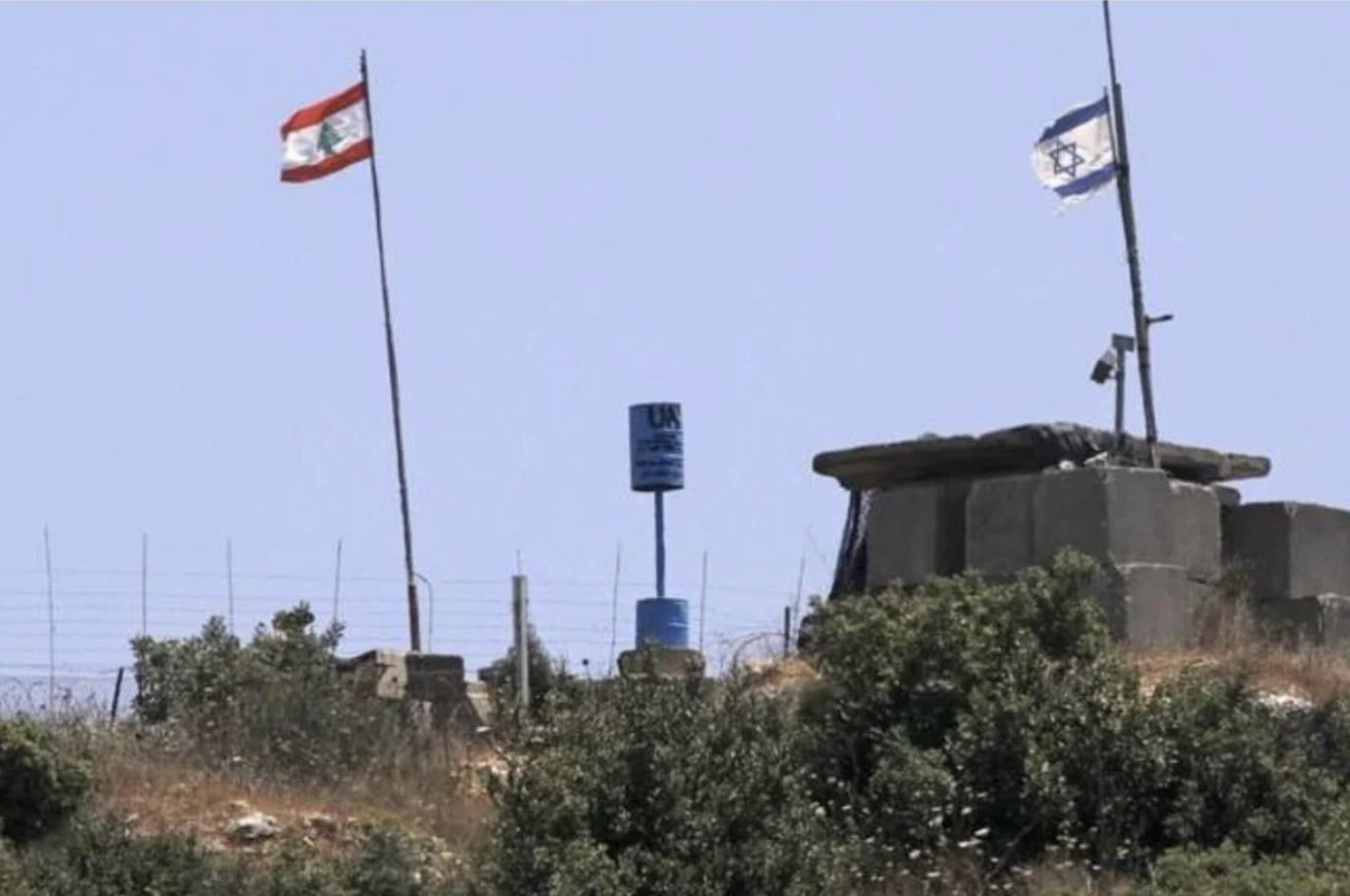
Screenshot 2024-11-13 at 9.36.20 AM Courtesy:
14 November 2024

Israel once again in Beirut

The Israel-Hezbollah war has become the dominant event in the Middle East. The Israeli army has entered southern Lebanon, and Israel’s air force is targeting selected Hezbollah strongholds in Beirut. The year-long Israel-Hamas war is now a regional conflict, with international actors from the Gulf monarchies to Iran, the U.S., Europe, and the UN, trying to influence the course of events towards a ceasefire.

F241028YS201 Courtesy:
31 October 2024

Netanyahu the political survivor 

Israeli Prime Minister Benjamin Netanyahu has secured his political survival since October 7 by managing his key constituencies – domestic and in the U.S. – and doubling down on his war strategy. Now he is making another calculated risk – to ensure a non-nuclear Iran, and thereby his continued political positioning.