Dr. Khinvraj Jangid is Professor and Director of the Jindal Center for Israel Studies at the Jindal School of International Affairs, O.P. Jindal Global University, Sonipat. He is a Visiting Fellow at the Azrieli Center for Israel Studies (MALI), the Ben-Gurion Research Institute for the Study of Israel and Zionism, Ben-Gurion University of the Negev, and a Comper Fellow at The Elizabeth and Tony Comper Center for the Study of Antisemitism, University of Haifa, Israel. Dr. Jangid is the Founding Chair of the India-Israel Centre, New Delhi.
As Israel readies for its national elections in October, a new actor has stepped into the national scene and will likely influence the polling. This is the Israeli-Jewish diaspora, which comes in all dimensions of Judaism and democracy. For the first time, they feel the need to actively cast their vote, given its criticality and the yearning for political change.
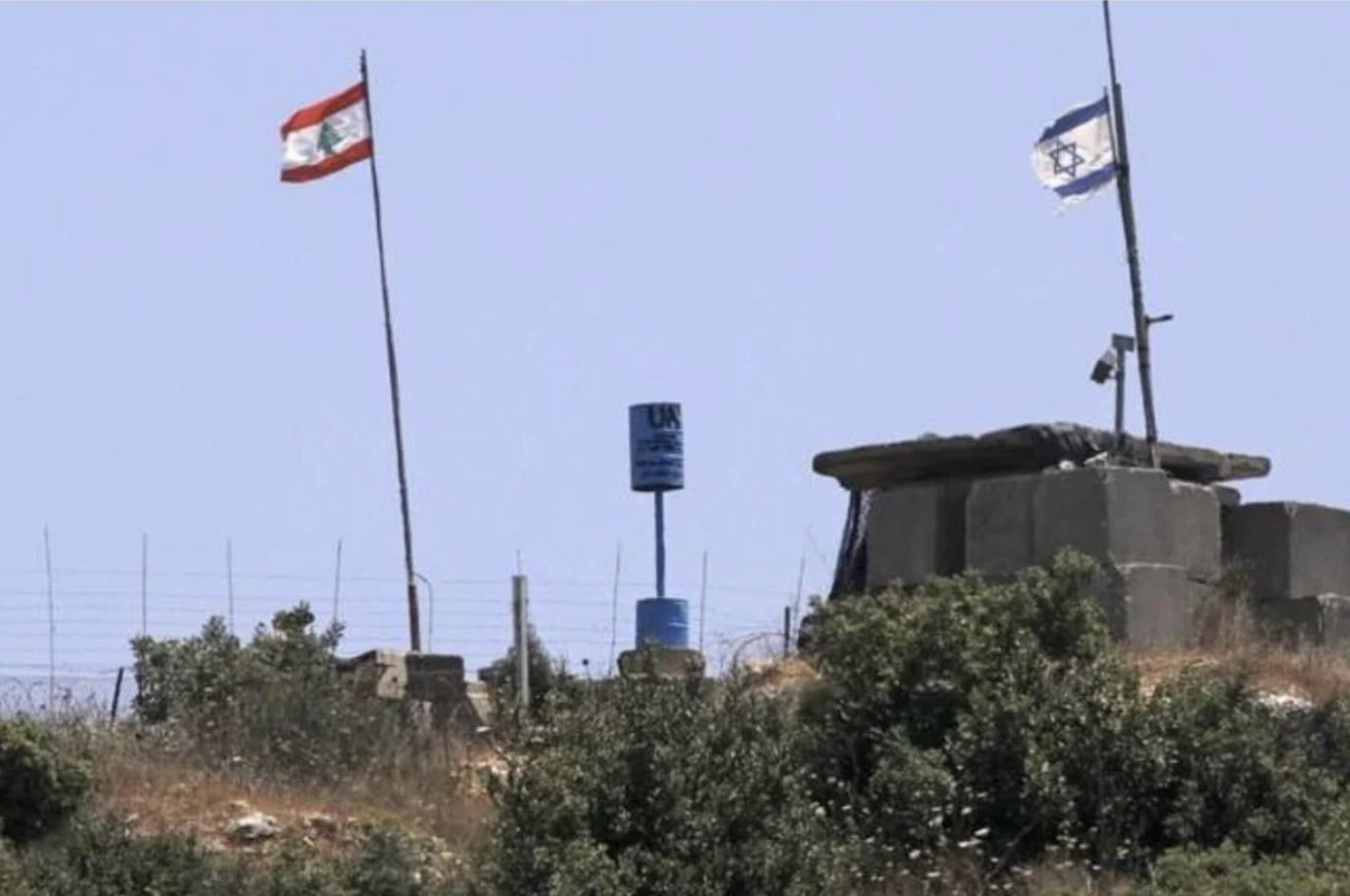
The Israel-Hezbollah war has become the dominant event in the Middle East. The Israeli army has entered southern Lebanon, and Israel’s air force is targeting selected Hezbollah strongholds in Beirut. The year-long Israel-Hamas war is now a regional conflict, with international actors from the Gulf monarchies to Iran, the U.S., Europe, and the UN, trying to influence the course of events towards a ceasefire.
The May 31 ceasefire deal proposed by U.S. President Joe Biden is the best on offer for Hamas and Israel. Hamas has delayed its response to the deal, demanding Israeli withdrawal from Gaza first. This absolutist and maximalist position allows Israeli Prime Minister Benjamin Netanyahu to conveniently evade his responsibility towards the U.S., a ceasefire deal, and his own people.
Hamas faces an existential crisis in Gaza now that the Israeli army has captured its military headquarters and operating tunnels in northern Gaza. So far Israel has successfully ignored international pressure to limit its ground operation. In between are the Gazans, caught within an ideology they don’t trust.
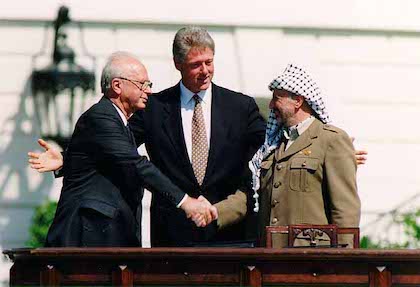
By blending Islam, Marxism-Leninism, Arab nationalism, and Third World radicalism during the 1960s, Yasser Arafat succeeded beyond expectations, in impactfully putting the Palestinian question forward for international attention. The spoiler was Hamas, with its jihadi calls for the cause of Palestine and rejection of peace initiatives.