A new, consensual world order
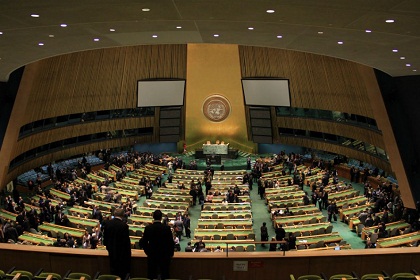
The era of globalisation is drawing to a close and a new one is emerging—an era of bilateralism over globalisation, of domestic over foreign focus, and reality-based policy-making

 Courtesy: IB Times
The era of globalisation is drawing to a close and a new one is emerging—an era of bilateralism over globalisation, of domestic over foreign focus, and reality-based policy-making
 Courtesy: Gateway House
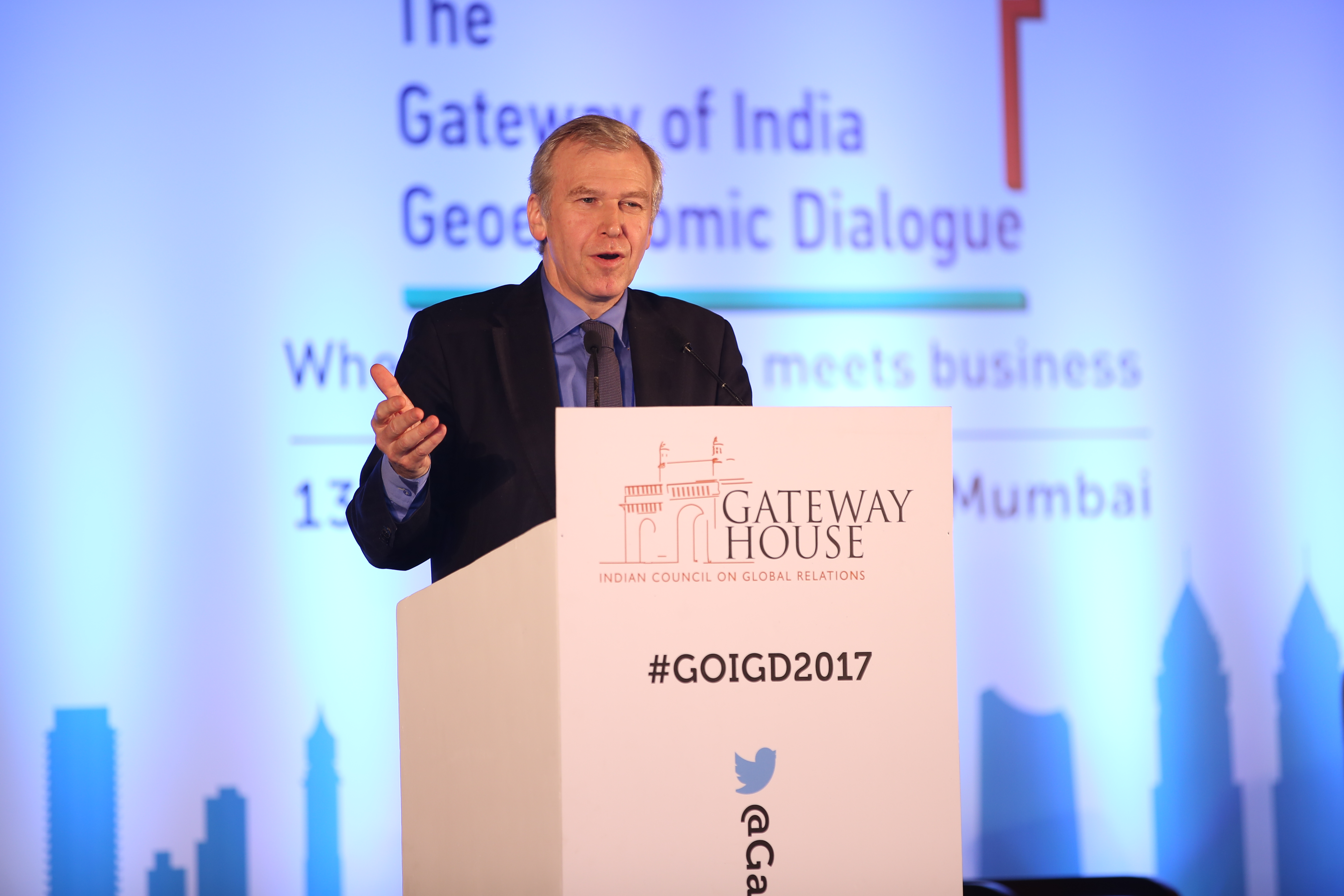
His Excellency Yves Leterme, Former Prime Minister of Belgium, Secretary General, International IDEA delivered the Inaugural Keynote I on Europe at the Crossroads at 2017 T20 Mumbai meeting hosted by Gateway House on 13 February. Leterme's speech effectively explains the changing politics of global capital with the rise of new economies with respect to Europe and it's position in the world today.

This daily column includes Gateway House’s Badi Soch – big thought – of the day’s foreign policy events. Today’s focus is on the negotiations for a free trade agreement between the E.U. and the U.S.
 Courtesy: trendscout::/Flickr
All the major economic forces in the world have come together in Africa in a new version of the Great Game. The competition for the continent’s resources will ultimately harm Africa unless Africa uses this opportunity to its advantage and to address its own serious problems.
 Courtesy: Gateway House
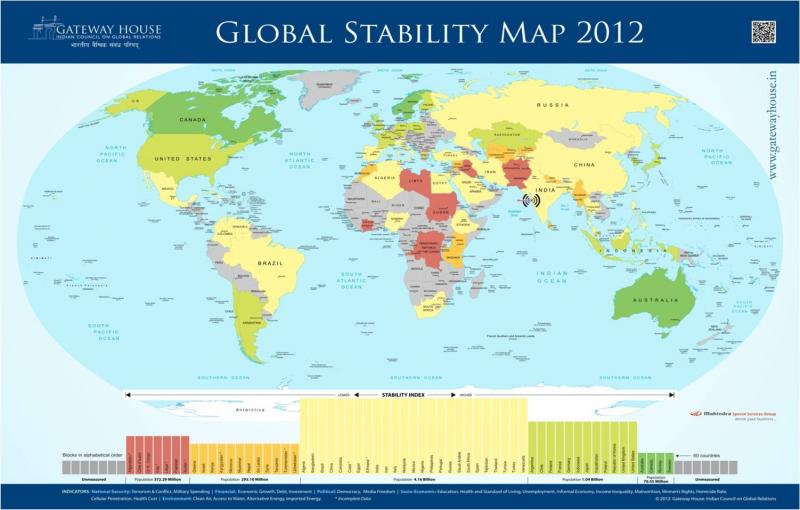
Gateway House prepared a Global Stability Map, using 20 differing indicators, to analyze the stability of 60 countries around the world. Using criteria that are important to the emerging economies of the world, the map provides an Indian perspective of the world today.
Amidst myriad country groupings that already exist – BRICS, IBSA, APEC, SCO and many others – a new initiative in the Pacific is looking to integrate more powerful countries to form a multilateral free trade agreement – the Trans Pacific Partnership. How important is this towards the reshaping of trade and power?
 Courtesy: UNPhoto/MarcoDormino
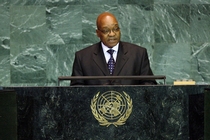
A new United Nations doctrine is revolutionising the manner in which Western powers achieve regime change. Under the pretext of “Responsibility to Protect” –as the doctrine is named –armed intervention does not depend on the aspirations of a populace but the facilitation of existing power equations