X  narendramodi Courtesy: X / Narendra Modi
22 August 2025

India-China risky boundary early harvest

Chinese Foreign Minister Wang Yi's two-day visit to India achieved a significant goal: to resolve the bilateral border dispute and ensure Prime Minister Narendra Modi’s presence at the Shanghai Cooperation Organisation summit. It’s not a reaction to the U.S.-India tariff tensions, but a realistic policy compulsion felt by India.

ANI Courtesy: ANI
14 August 2025

Is Russia a Red Line for India?

U.S. President Trump will meet Russian President Putin on August 15. A positive outcome may mean removal of punitive U.S. tariffs on India for buying Russian oil and resolving its dilemma of placating a partner country with growing commercial, geopolitical and defence ties, or pursuing strategic autonomy, keeping its old friends and take an economic hit? Is Russia the red line for India?

Gateway House Courtesy: Gateway House
3 July 2025

China Plus One and global supply chains

A slowdown of the Chinese economy, and the shift, particularly by MNCs, from China to other more competitive locations has opened up business opportunities for latecomers to supply chains in the developing world. Evidence suggests that Southeast Asia and some South Asian countries like India, Sri Lanka, Bangladesh, could be beneficiaries of the supply chain shift, particularly in labour-intensive segments.

New Spotlight Magazine Courtesy: New Spotlight Magazine
19 June 2025

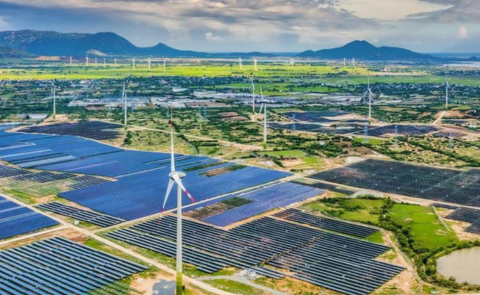
A case for South Asia energy connectivity

Building a robust engagement with India on energy can help offset some of the economic and political crises that most of India’s neighbours are facing. Smaller South Asian neighbours will benefit from cheaper electricity and oil, paving the way for greater regional economic cooperation.

Joint Statement from the Quad Foreign Ministers’ Meeting in Washington Courtesy: U.S. Embassy & Consulates in India
19 June 2025

Reappraising QUAD post Pahalgam

The July 2 meeting of the QUAD foreign ministers in Washington, D.C., restated all the commitments of the grouping, including a condemnation of the April 22 terrorist attacks on Pahalgam. Yet, none of the QUAD countries actually came to the aid of India, despite China being a present player in the fight, in full support of its partner Pakistan.

Getty (1) Courtesy: Gateway House
15 May 2025

The New Geopolitics and South Asia’s Trade Architecture – What Next?

Geopolitics is increasingly intertwined with the economic destiny of South Asia. Even before the U.S. tariffs were rolled out, growing polycrises had hit the global economy, which has been struggling since the pandemic. South Asia seems a relatively bright spark of regional trade and growth. This paper analyses South Asia’s trade architecture in the backdrop of a sluggish world economy in the 2020s, and makes recommendations for closer regional economic integration.

Website articles  (4) Courtesy: Agence France-Presse
8 May 2025

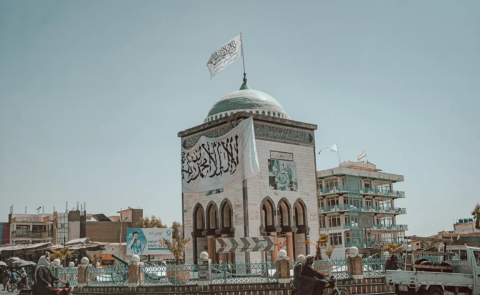
Pakistan’s clash of ideology and identity

The on-going India-Pakistan tensions have obscured the grave issues Pakistan is facing on its western frontier with Afghanistan. The resurgence of Pashtun nationalism, the long-running Baloch insurgency and the growing resentment over Punjabi dominance is challenging Pakistan’s identity and ideology as protector of Islam. The Taliban under the Emir in Kandahar holds far greater moral authority than any general in Rawalpindi.

handbook Courtesy:
27 June 2024

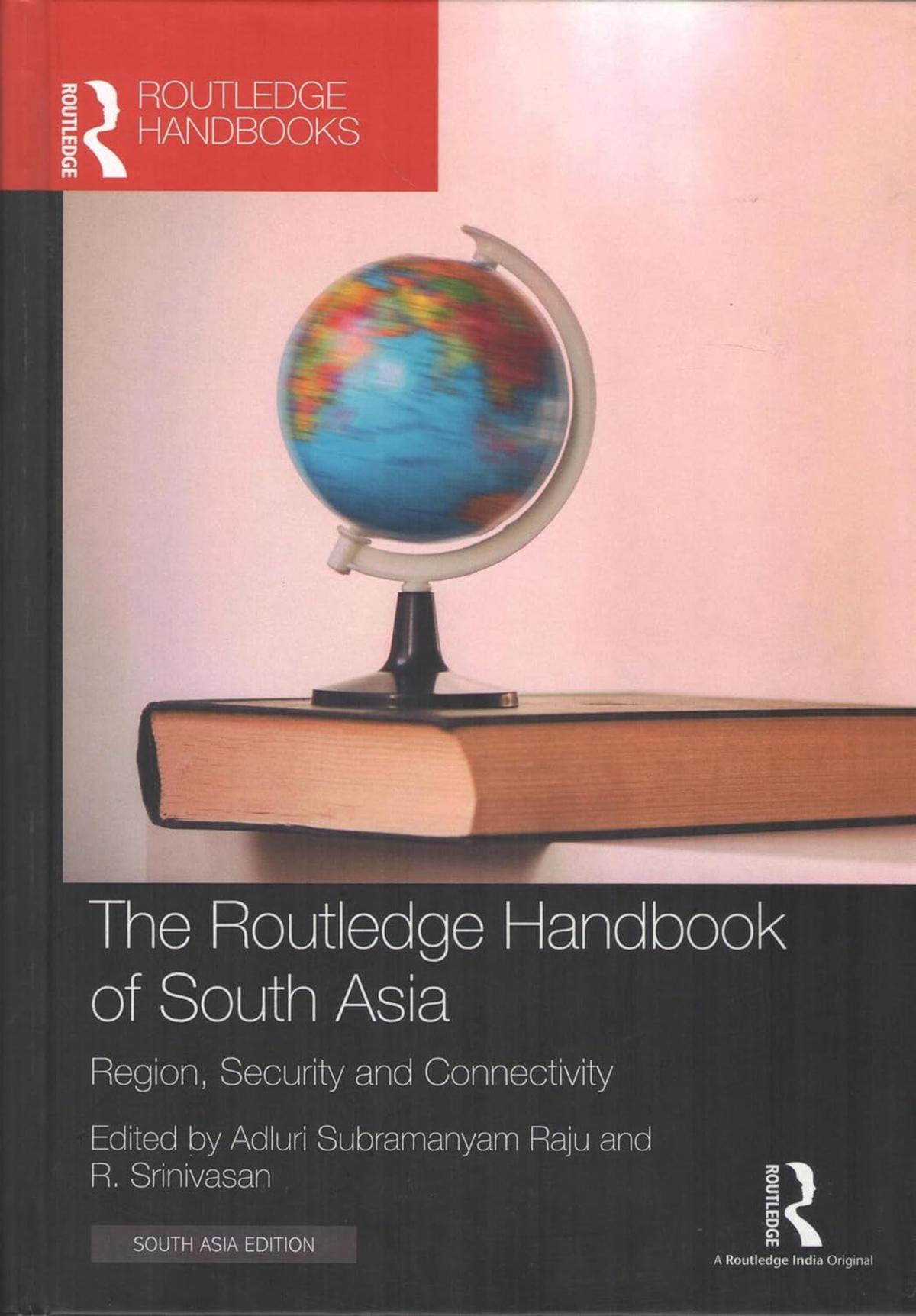
The Routledge Handbook of South Asia: Region, Security and Connectivity

The authors convincingly analyse the bewildering diversity, size and scale of the challenges of South Asia in a volume that is a rare treasure for those interested in deciphering the history, ethnic identities, colonial legacy, political economy, environmental risks, and geopolitical dynamics of the region.

534795_0_68_720_473_1920x0_80_0_0_27a8f74ace78cb73d7b0ab2075f99b85 Courtesy: Sputnik India
30 May 2024

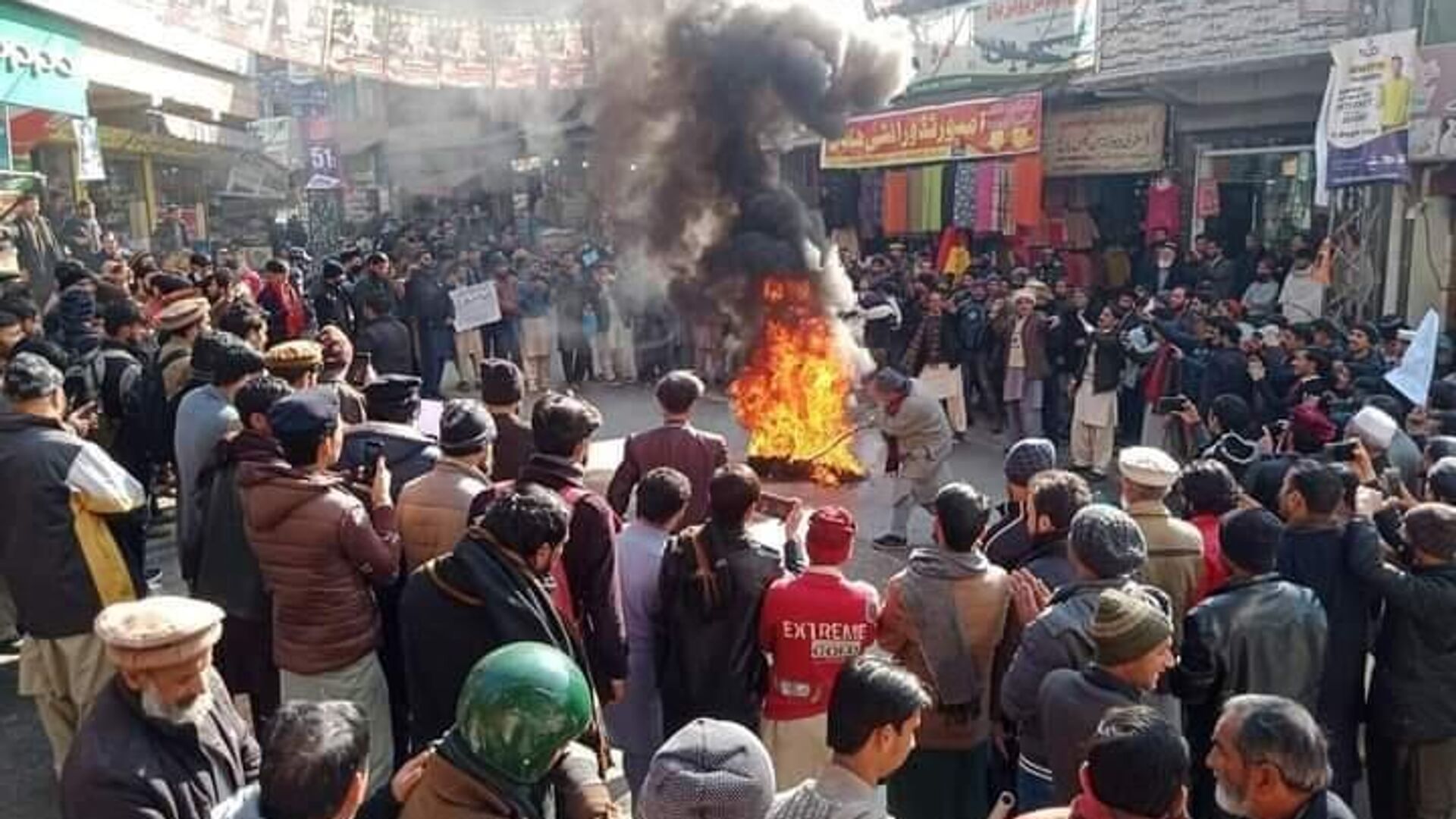
Trouble in Pakistan’s periphery

Pakistan’s peripheral regions have long been treated as colonies to benefit the Punjabi core. This neglect is facing a vigorous pushback, in the form of peaceful protests and violent resistance. The economic crisis has exacerbated tensions in Baluchistan, Khyber Pakhtunkhwa and Gilgit-Baltistan, which remain poor despite abundant natural resources.