Reuters Courtesy: Reuters
13 October 2026

Multiple dimensions of BRICS’ Delhi Summit

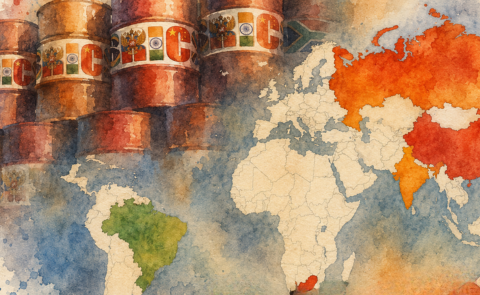
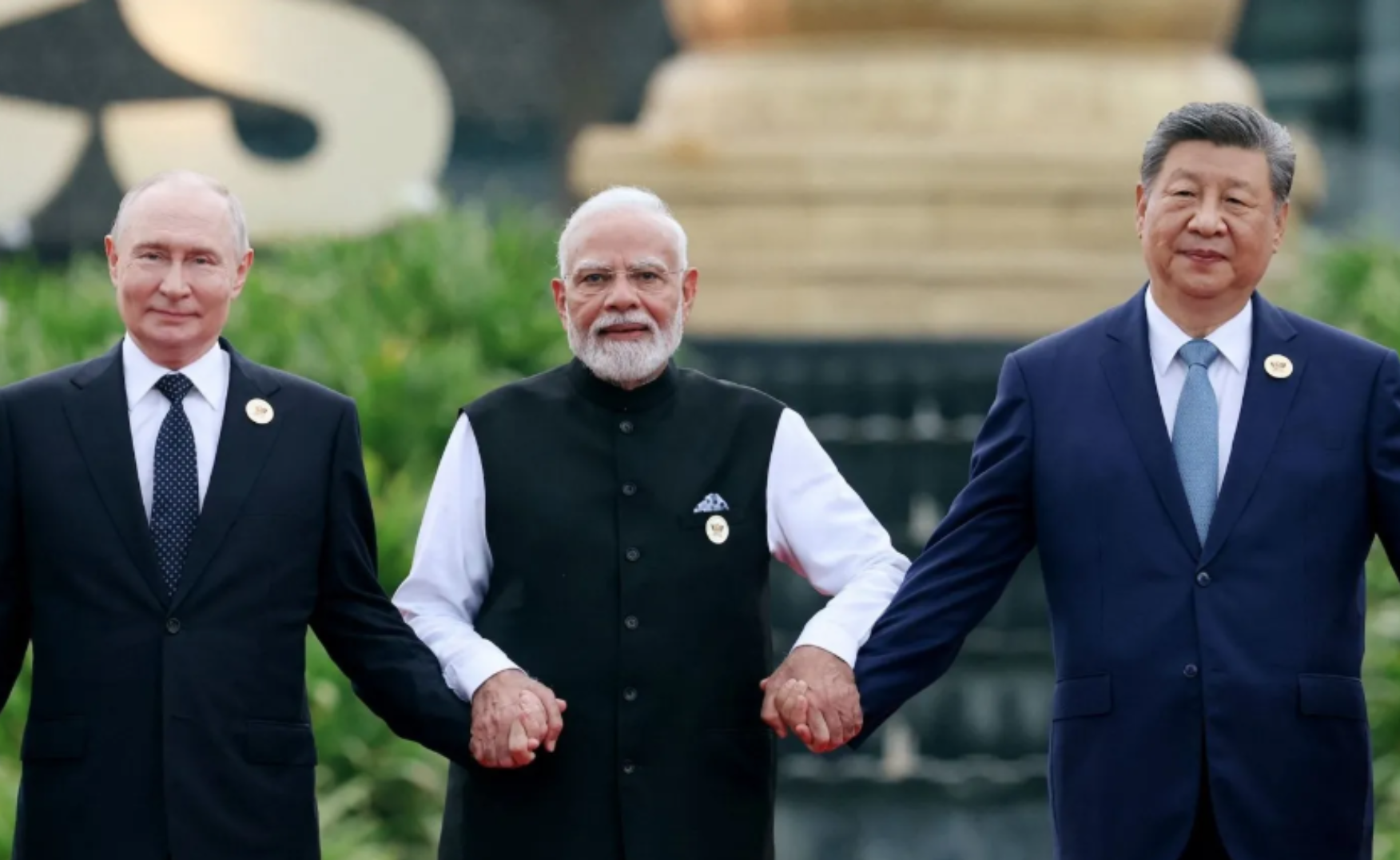
 The BRICS Summit in Delhi carried over the issues from the previous years. But it was particularly important because it also hosted the India-China leaders’ bilateral, and it was preceded by the visit of Chinese President Xi to the U.S. The optics of the 2026 Summit will have been keenly watched in Washington for its effect on U.S.-China relations.

Xi-Trump Courtesy:
8 October 2026

A tired U.S.-China tango

Chinese President Xi Jinping’s September state visit to the U.S. produced no joint statement, indicating major differences, although both countries agreed Iran should not develop nuclear weapons and no country should collect tolls in the Strait of Hormuz. Tariffs on China remained unresolved. There was a staleness to the visit, with both countries’ leaders focused on the past. The visit appears to favour China, denoting its growing stature.

AI generated Economic Times Courtesy: The Economic Times
2 September 2026

China and Economic D-Day vs. Iran

“Economic D-Day”, recently announced by the U.S. Trump administration, will put additional sanctions on any party which facilitates any activity with Iran. India, Iraq, Turkey, and the UAE could be affected. But ironically China, the biggest supporter of Iran’s regime, may be off the hook given the deep mutual over-reliance with the U.S. and the risk that further sanctions on China could put the global financial system in jeopardy.

rawlines Courtesy: Gateway House
6 August 2026

The Kremlin: AI ecosystem architect

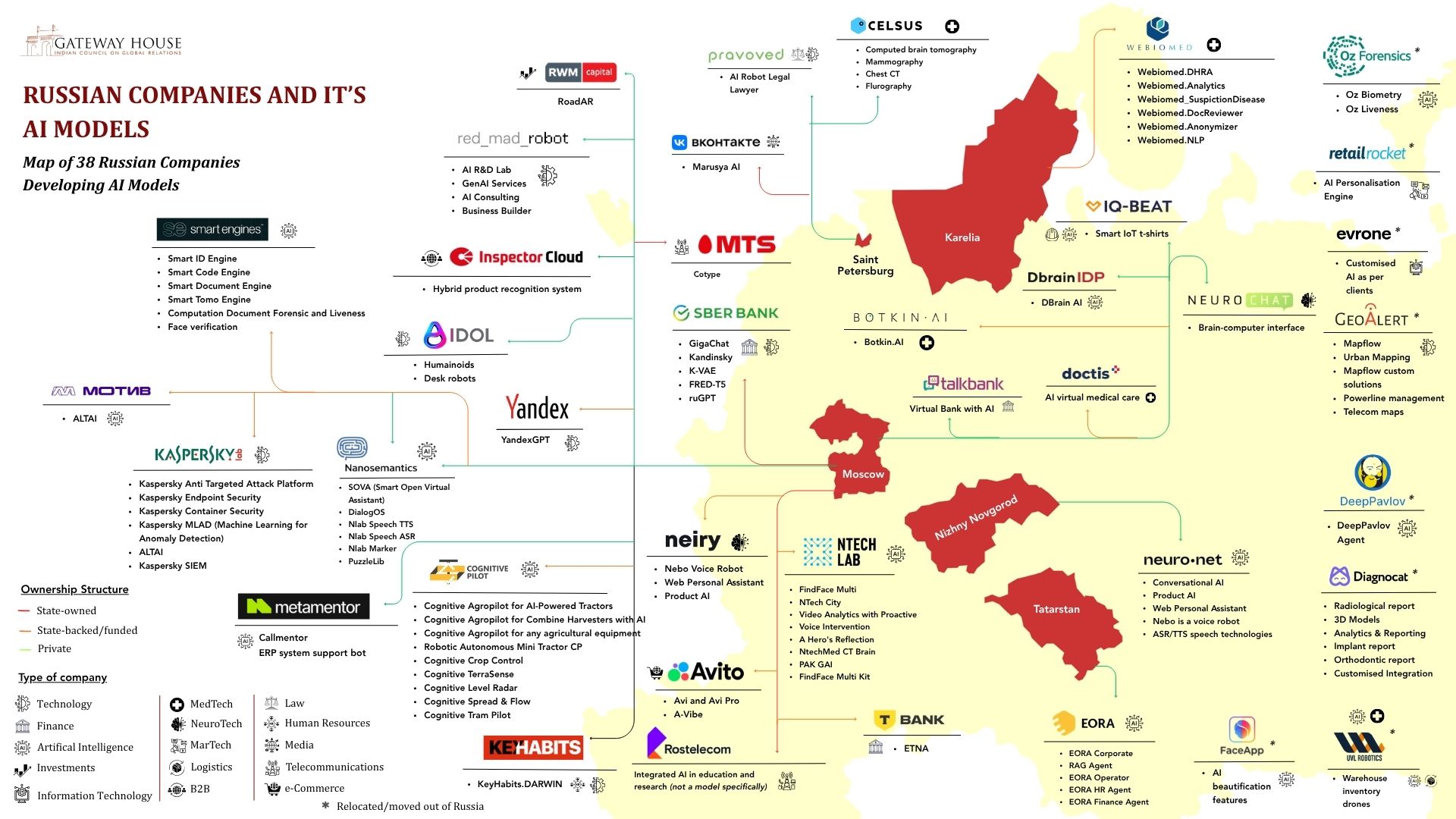
At the St. Petersburg International Economic Forum in June, President Vladimir Putin reiterated that Russia is building a sovereign AI ecosystem. Despite Western sanctions and the brain drain following the Ukraine war, Moscow continues to support AI startups and SMEs through state-backed funding. There are 38 Russian AI companies, and it is worth analysing their backgrounds, classifications, and the links between them and the Russian state.

UNSC Elections Courtesy: Manuel Elías
6 August 2026

The UN changes guard

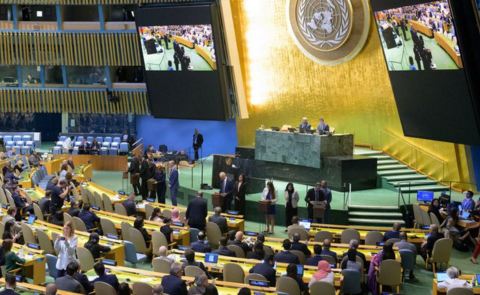
The process of choosing a new Secretary General of the UN, to assume office on January 1, 2027, has begun. The UN Security Council is central to this and has just held its first straw poll on the seven candidates in the fray. Three have done well – all from countries with positive ties to the current U.S. administration. India must keep a close eye on the developments.

sabrang india (1) Courtesy: Council on Foreign Relations
23 July 2026

India should re-examine its energy investment

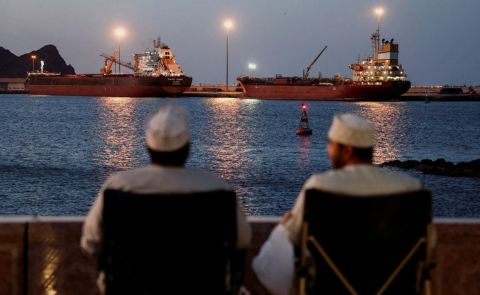
The absence of panic in the energy markets despite the renewed U.S.-Iran fighting indicates a well-supplied oil market in the longer term. That means stability for energy short countries like India in the long term. In the short term, however, India will be impacted by other disruptions, such as the increased use of sanctions.

Kenny Holston  AP (3) Courtesy: Business Post
11 June 2026

AI and its spin-off gains

The AI industry in the U.S. is on a high, with three major upcoming public offerings on the table from Anthropic, Open AI and Space X hogging the attention and news. But users are increasingly concerned about costs, and developers are rushing to raise capital. When the effervescence abates, a reduced appetite for AI stocks may eventually see investors return to emerging markets. Can India benefit?

Gateway House Courtesy: Gateway House
4 June 2026

A BRICS Energy Stability Framework

The 2026 Persian Gulf conflict has pushed energy security to the forefront of the BRICS agenda. Divergent national interests prevent the grouping from acting as a unified geopolitical bloc, the growing energy crisis highlights the need for stronger economic cooperation. Proposals such as a BRICS energy reserve, an Energy Stability Fund, and cross-border investments could enhance resilience and be essential if BRICS wants to emerge as a serious economic grouping.

AFP Courtesy: AFP
4 June 2026

Two significant critical minerals deals

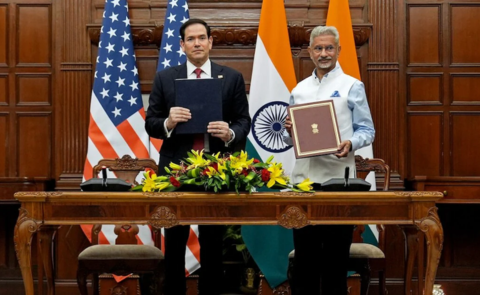
India signed on to two deals on critical minerals in May: one was the launch of the Quad Critical Minerals Initiative and the other a new bilateral India–U.S. framework on critical minerals. Both highlight the deep concerns over China’s dominance of global supply chains. For India, specifically, these initiatives will advance its ambitions in green energy. Collectively, the QUAD members have differing priorities. Can those be sustained long-term, for success?

oil Courtesy: KNN
28 May 2026

India’s Opportunity in the New Oil Order

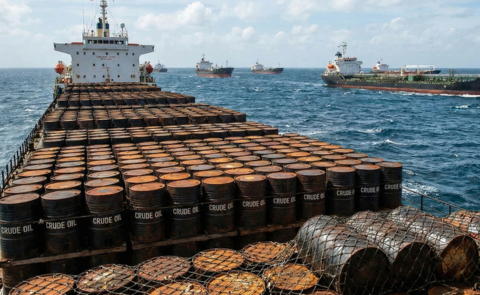
The UAE’s recent exit from OPEC, and the U.S. push to sell more oil to India are markers of a new order in the oil world with demand security at a premium. As a major oil importer, India must respond to it smartly. It must develop deeper partnerships with both the UAE and U.S., and a new financial ecosystem and benchmarks for the new order.