unnamed (1) Courtesy: Ministry of External Affairs, India
7 April 2022

A formal, opportune BIMSTEC

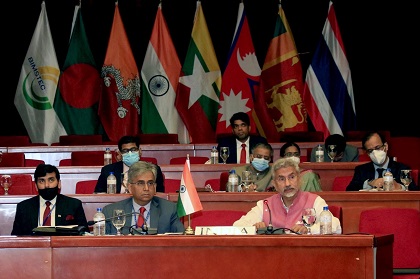
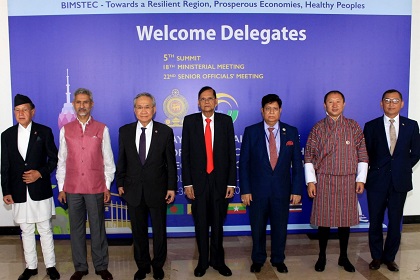
The recently concluded BIMSTEC summit is now a regional intergovernmental organization with a formal charter, giving it a clear mission and legality and a destiny linked to South and South East Asia. It is now better equipped to accelerate economic development for the fifth of the world’s population, which contributes only 4% of global GDP.

bimstec 2022 Courtesy: BIMSTEC
31 March 2022

BIMSTEC steps forward

BIMSTEC is of special importance to India as it is a crucial link between the Neighbourhood First and Act East policies. This almost 25 year old multilateral can contribute to the Indo-Pacific region by addressing challenges in strategic areas of regional connectivity, security cooperation, free trade, and geoeconomic ties with external partners.

suiso frontier Courtesy: TIME
24 March 2022

Green Hydrogen in the Indo-Pacific

Last month, the Government of India released its Green Hydrogen Policy with the goal of boosting energy self-reliance and inspiring clean energy transitions. The time is right for the Indo-Pacific economies to finance green hydrogen projects and integrate them into supply chains.

0014 Courtesy: Gateway House
17 February 2022

Financial connectivity in the Bay of Bengal

Multilateral funding can aid regional financial connectivity between the Bay of Bengal states, where financial networks are scarce. India's successful fintech can be mobilised to create a local ecosystem of startups with better access to funds and strong ties to the Indian market.

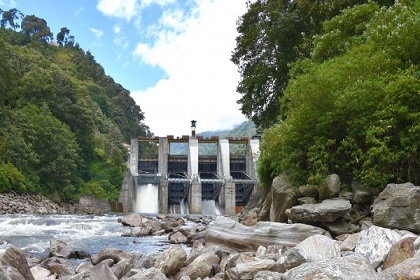
DRUK HYDRO DAM Courtesy: Druk Green Power Ltd
18 November 2021

Bay of Bengal connectivity

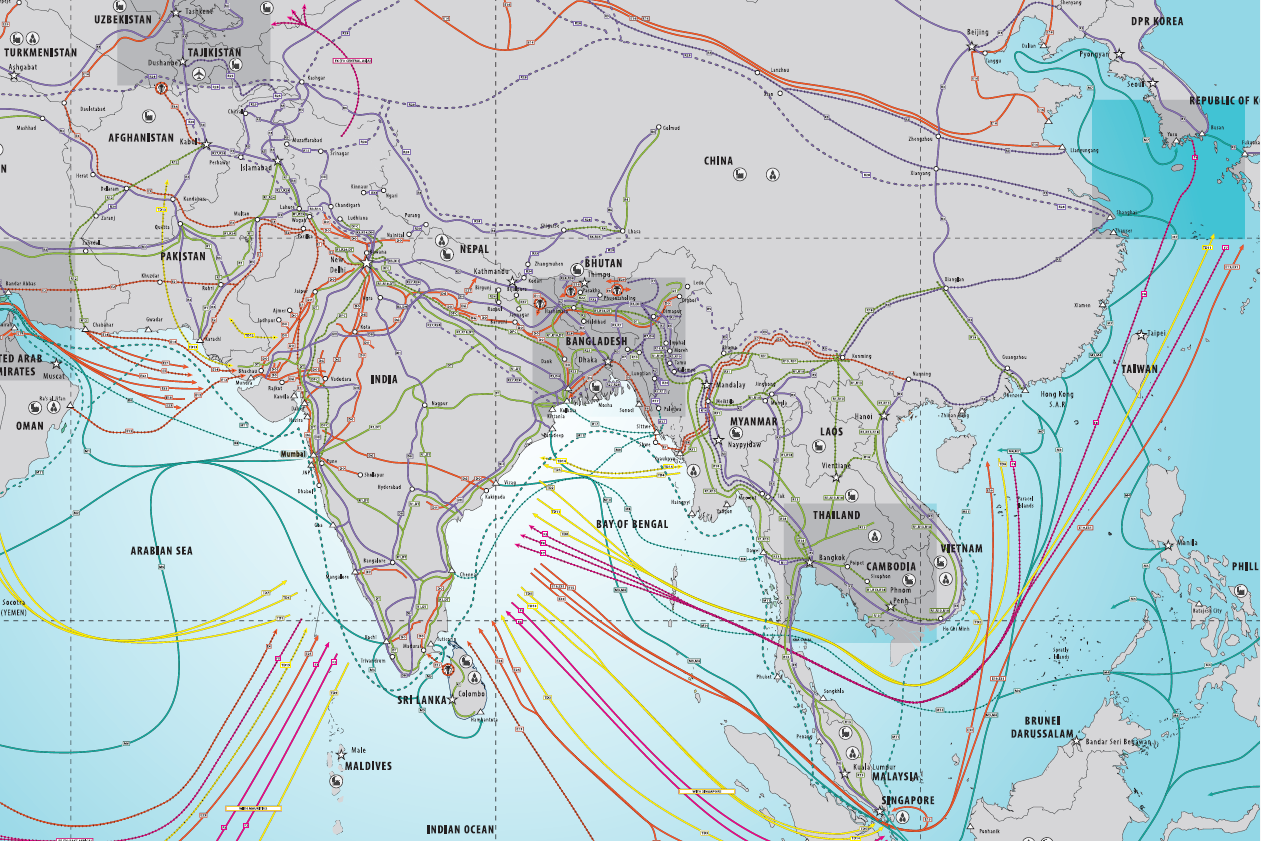
The Bay of Bengal is gaining relevance as a significant sub-region within the Indo-Pacific. Despite its importance to regional security, there is inadequate financial, physical, and energy connectivity. India must use its strategic and political pre-eminence and influence in the sub-region to pursue deeper connectivity with Bangladesh, Myanmar, Thailand, Nepal, and Sri Lanka and to block China's growing influence.

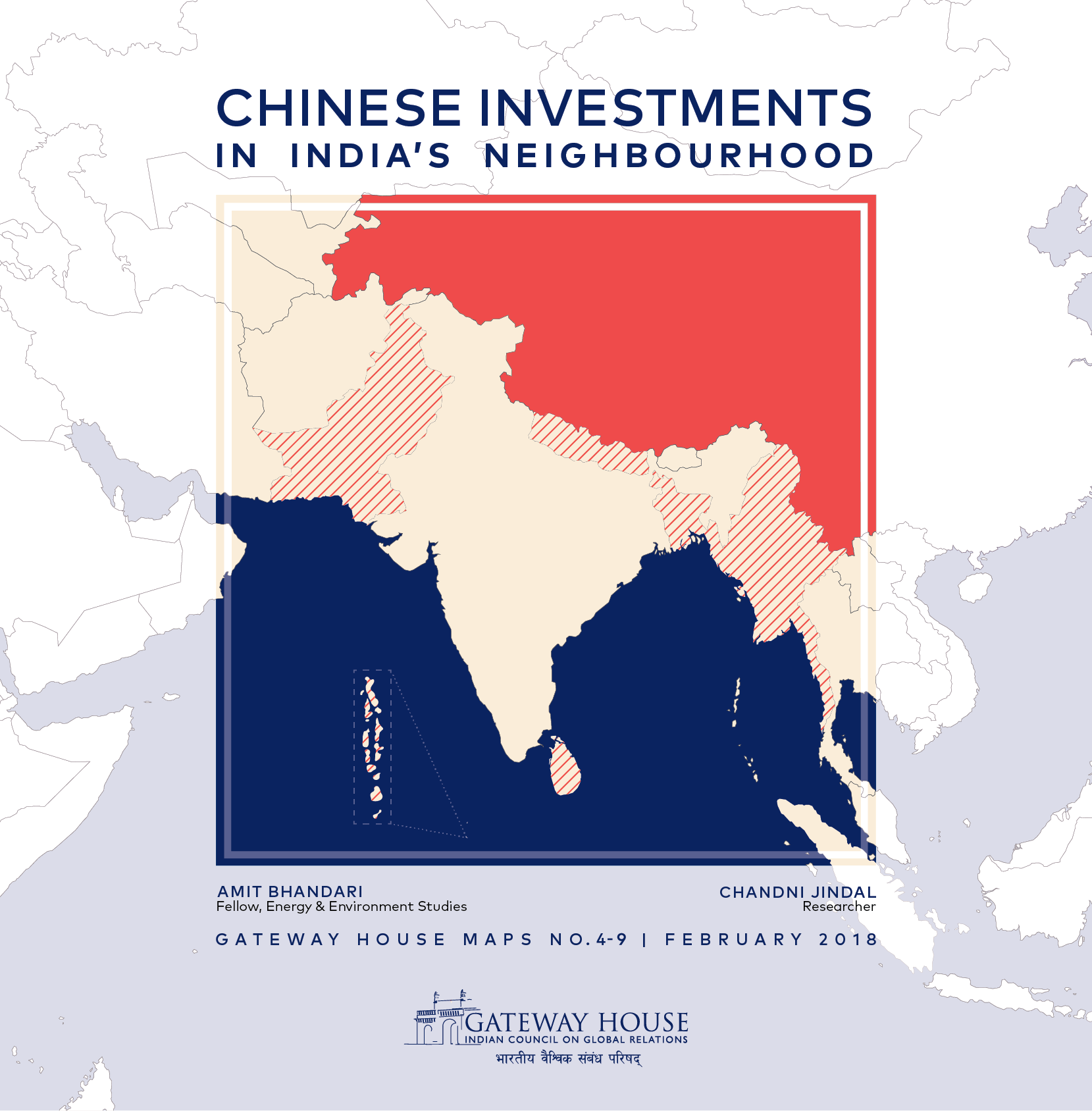
Gateway House's research on Chinese investments in India's Neighbourhood. Researched by Amit Bhandari and Chandni Jindal. Courtesy: Gateway House
12 March 2018

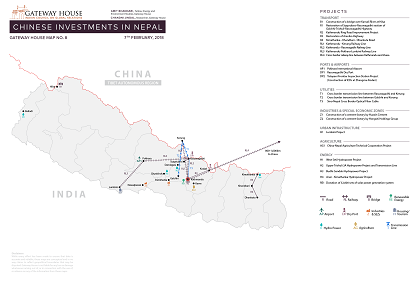
Chinese Investments in India’s Neighbourhood

India and the world have watched China’s growing investment in Asia and beyond with a mix of awe and apprehension. The unprecedented scale of these investments are reshaping political arrangements around South Asia.

Indian Trade Route Courtesy: Gateway House
4 April 2017

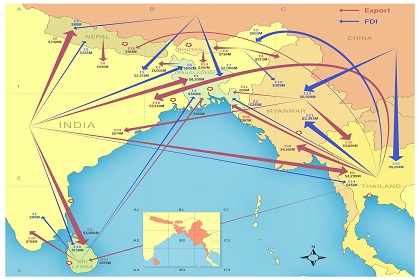
Diversifying India’s trade destinations

India’s global economic engagement, especially with the developing world, has increased in the last two decades, but trade with South Asia has remained low. It holds the potential for building greater productivity and more inclusive growth in India and the region

picstitch (5) Courtesy: Wikimedia commons
19 March 2015

Assessing India’s infrastructure aid diplomacy

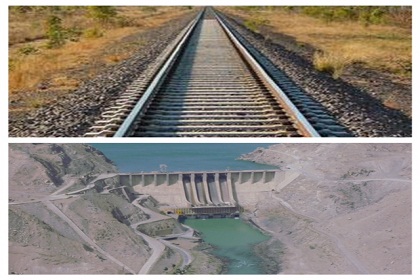
With the Modi government’s focus on improving neighbourhood relations, India cannot afford delays in its aid projects in the region—especially because aid is an effective foreign policy instrument. Why are these projects getting delayed? Is the government taking remedial steps to improve India’s aid programme?

ujal Bhatia Courtesy: Gateway House
11 October 2013

“You cannot divorce economics from politics”

Gateway House speaks to Ujal Bhatia, Member, Appellate Body, World Trade Organisation, on the importance of economic diplomacy; India’s assertiveness during trade negotiations; the role of Indian business in the negotiation processes; the relevance of SAFTA; and on ways to boost intra-SAARC trade.