IMF exposes Pakistan’s real indebtedness
To qualify for the IMF’s latest bailout, Pakistan has had to share accurate information on its economy including its debt to China. This confirms the speculation of Pakistan’s gigantic indebtedness to China.

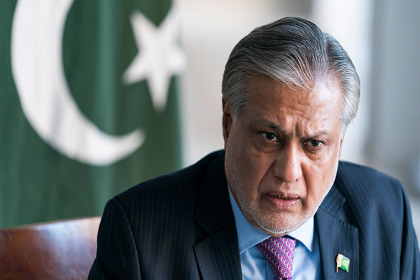 Courtesy: The Week
To qualify for the IMF’s latest bailout, Pakistan has had to share accurate information on its economy including its debt to China. This confirms the speculation of Pakistan’s gigantic indebtedness to China.
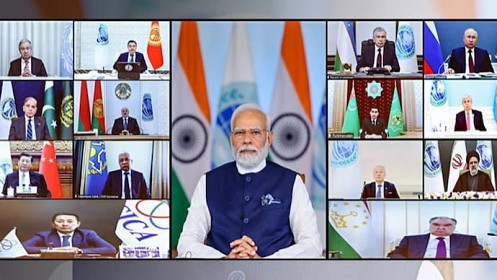 Courtesy: India Today
The Shanghai Cooperation Organisation's growing importance is seen in the numerous new applicants waiting in line for membership. The 23rd SCO Summit hosted by India on July 4 saw progress in areas like digital transformation and economic cooperation. However, timidity in acting on foundational issues like anti-terrorism reflects the internal contradictions and tensions within member states - a continuing challenge for SCO.
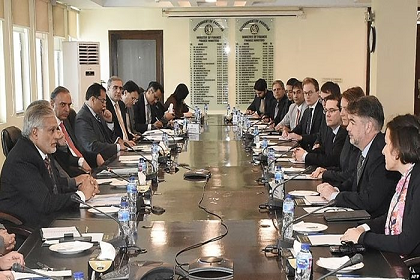 Courtesy: OpIndia
Why Pakistan won’t deal with the IMF even in the face of hardship and a shrinking economy reveals something - that its military and civil elites refuse to curtail their rapacious behaviour, even at the cost of their country’s peril.
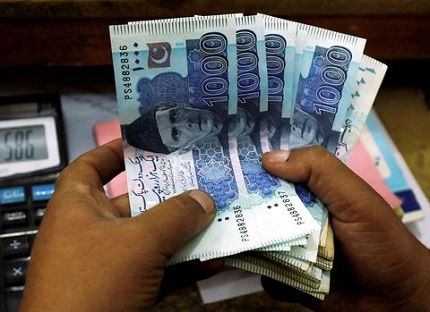 Courtesy: Reuters
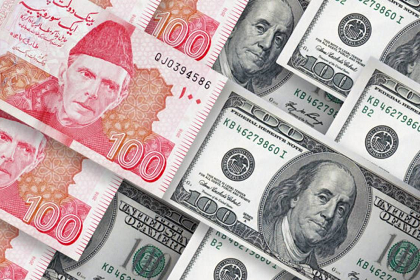
India’s South Asian neighbours have all seen sharp currency devaluations since early 2022. These are a result of maintaining artificially strong exchange rates, made possible by remittances from migrant workers. However, by postponing the inevitable devaluations, these states have made their economic crises much worse.
 Courtesy: Reuters
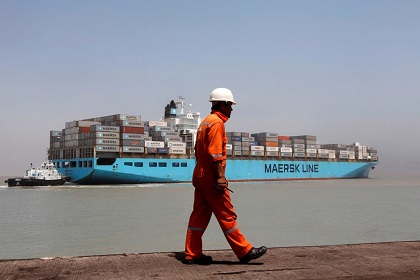
The International Monetary Fund’s recent warning of a slowing global trade comes as a sign for South Asia to reassess its regional trade within the continent. India, in its year of G20 Presidency and as South Asia’s largest economy, can use its platform to lead the way via dialogue, capacity building, and regulatory policies to encourage open regionalism in Asia.
 Courtesy: 24 News HD
India’s economy is looking bright, but there is a shadow in its neighbourhood. Pakistan’s fast deteriorating political and economic condition can create fresh uncertainties for India on the national security and economic security front.
 Courtesy: iStock Images
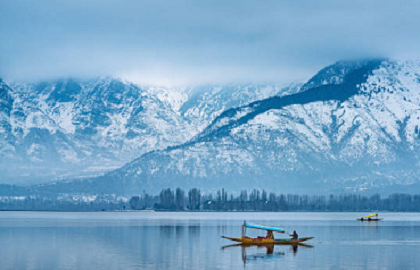
Holding one of the G20 meetings in Jammu and Kashmir is a bold, audacious and timely move. It is possible because of the ceasefire along the Line of Control which has been holding since February 25, 2021. The new geopolitical setting offers India an opportunity to diplomatically disdain the Chinese, camping not too far away in the un-demarcated border areas with India.
 Courtesy: Gateway House
Low global commodity prices, strong FDI inflows, and sustained growth have boosted the Indian economy in the preceding decade. This favourable economic climate, however, was disrupted by the pandemic and the crisis in Ukraine, exposing vulnerabilities in the global economic system. This paper focuses on India’s economic security challenges, particularly in six sectors - Food, Energy, Finance, Data, Space & Undersea Cables and Critical Minerals - and suggests possible courses of action.
 Courtesy: Shutterstock
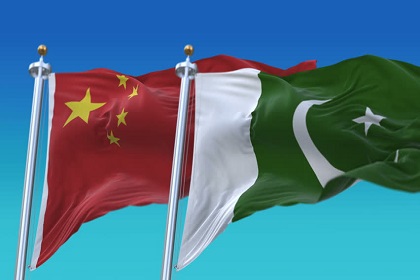
Pakistan’s latest economic survey reveals the extent of the country’s indebtedness to China. High-interest Chinese loans, reckless multilateral borrowing, and ever-increasing defence budgets have deleteriously impacted Pakistan’s finances. Any lasting solution to these problems will have to involve China.
 Courtesy: Economic Times
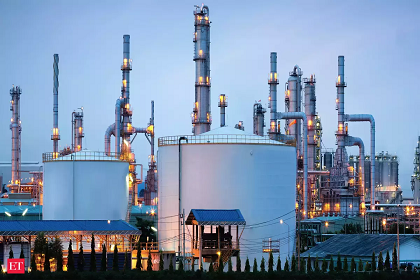
The warning signs were visible long before the Ukraine conflict. Years of insufficient investment into oil and gas production resulted in high price, and shortages. With investors keeping away from traditional fuels, the conflict in Ukraine precipitated the inevitable. Energy-dependent India must now insulate its supply chains.