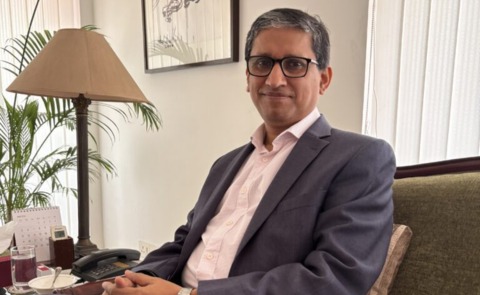
WhatsApp Image 2026-07-23 at 4.05.12 PM Courtesy: India's World
23 July 2026

“There have to be some signals, some gestures from our closest neighbour, India”

Prime Minister Tarique Rahman’s Bangladesh Nationalist Party will complete six months in office in August. His country faces multiple crises, with the Gulf War straining Bangladesh’s economy. In a sharp departure from previous practice, Rahman chose China for his first state visit even as anti-India rhetoric continued in Dhaka. It shouldn’t surprise, says Bangladesh’s departing High Commissioner to India, M. Riaz Hamidullah, speaking exclusively to Gateway House’s Nayanima Basu.
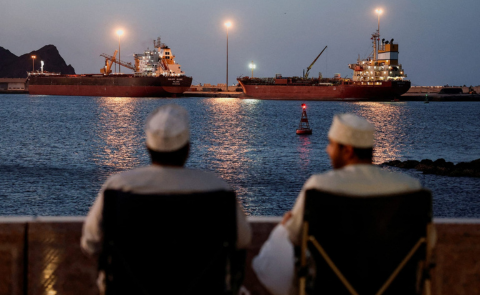
sabrang india (1) Courtesy: Council on Foreign Relations
23 July 2026

India should re-examine its energy investment

The absence of panic in the energy markets despite the renewed U.S.-Iran fighting indicates a well-supplied oil market in the longer term. That means stability for energy short countries like India in the long term. In the short term, however, India will be impacted by other disruptions, such as the increased use of sanctions.

Website articles  - 2026-07-14T142501.398 Courtesy: X/@narendramodi
14 July 2026

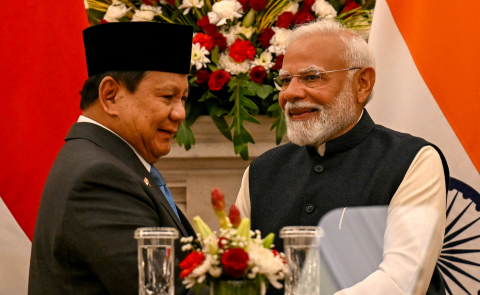
Modi-Prabowo sextet of good intentions

The Modi-Prabowo summit is a shared commitment to enhance strategic cooperation between two major Asian powers. This is necessitated by the dominance of China and the weakening U.S. pledges to regional security. Bilaterally, there has been political progress but limited economic engagement. The key now is to step up the trade and investment pillar, with energetic follow-up action for a strong trajectory.

Website articles  (5) Courtesy: Körber-Stiftung
6 July 2026

Tested, Trusted, Torn? Emerging Middle Powers Report 2026

The third Emerging Middle Powers Report reveals interesting trends. In every recent year, the five countries surveyed – India, Germany, South Africa, Brazil, and Indonesia – have been tested by events to prove they can prevail over the contested terrain of global politics. A pattern has emerged linking them together: non-alignment is their preferred response to a fragmenting order.

South China Morning Post Courtesy: South China Morning Post
2 July 2026

The Asian significance of Modi in Indonesia

Prime Minister Modi’s Indo-Pacific tour begins in Indonesia in early July. The two countries are expected to achieve a more aligned worldview, especially with the wars in Ukraine and the Gulf. The emerging entente cordiale between the U.S. and China will have a significant impact on the region, where India and Indonesia are leading players with the Indo-Pacific as their shared home.

interns research (6) Courtesy: Gateway House
25 June 2026

Dual Citizenships: fine or fraught?

President Trump’s January 2025 executive order ending birthright citizenship has reignited the global debate over citizenship and migration. Dual citizenship has become increasingly popular since the Second World War, but it is now viewed with growing anxiety over migration and national identity, prompting some countries to tighten restrictions. This infographic maps which countries permit, restrict, or prohibit dual citizenship.

G7 Courtesy: Prime Minister's Office of Japan
25 June 2026

G7 Evian summit matters

The 52nd G7 Summit, held in Evian-les-Bains from June 15-17, reflected both the challenges and continued relevance of the grouping. While the G7’s share of global GDP has declined, it remains influential. India’s participation as an invited guest drew attention as a major representative of the Global South. As BRICS chair this year, India has an opportunity to explain the motivations of both the G7 and BRICS to each other's members.

Dr. RS Courtesy: Gateway House
18 June 2026

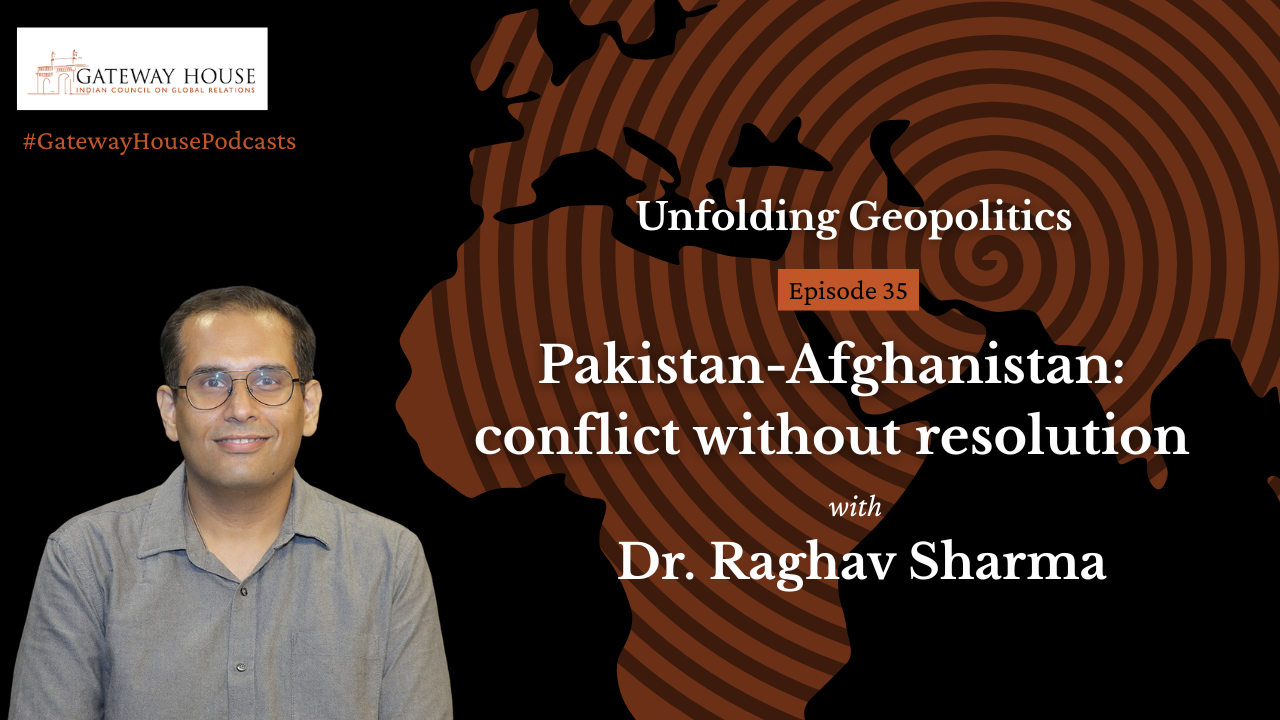
Pakistan-Afghanistan: Conflict Without Resolution

Pakistan and Afghanistan have long shared one of the world's most volatile borders. Pakistan's 2025 airstrikes inside Afghanistan marked a dramatic rupture in a relationship Islamabad had once carefully cultivated. Regional expert Raghav Sharma examines the evolving military balance, China’s mediation efforts, the role of the Gulf states, and how the Iran conflict is reshaping Pakistan’s economy and internal fault lines. The result is a region facing multiple crises, where traditional strategic assumptions no longer offer clear answers.

Website articles  (1) Courtesy: Gateway House
18 June 2026

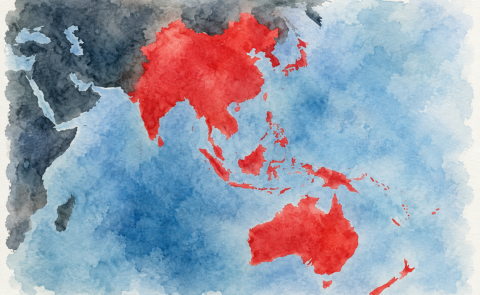
The relevance of the Indo-Pacific

After eight years of its nomenclature, on 16th June the U.S. Pacific Command dropped the 'Indo' from its military command title. It reflects clearly that the U.S. does not consider the Indo-Pacific region to be the most consequential theatre of geopolitics today. Yet its significance as the platform on which great-power contestation in political, military, technological, and economic domains will play out cannot be overstated.