Sizzling season of summits Courtesy: Gateway House
16 November 2026

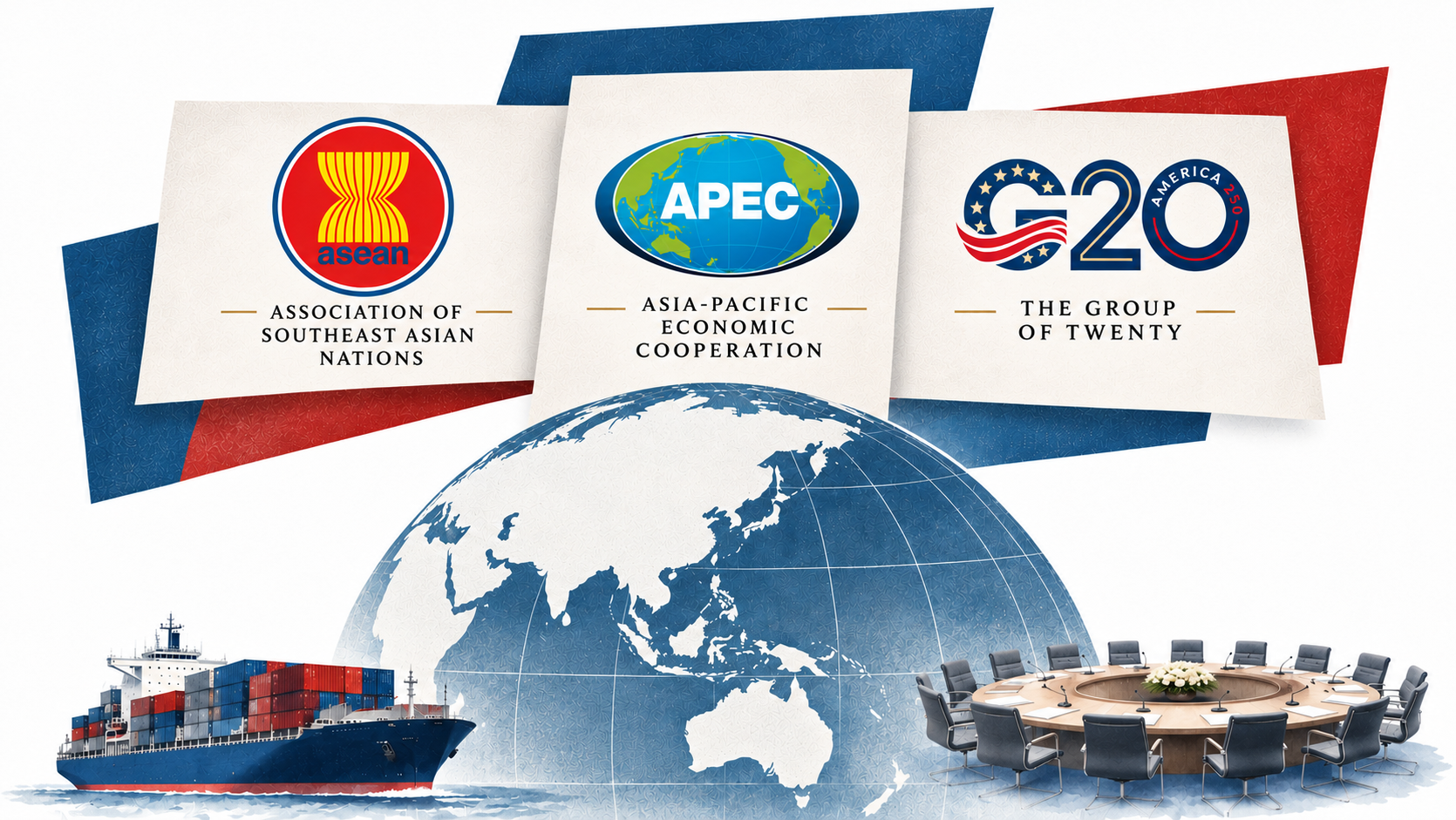
A sizzling season of summits

The next four weeks – from 16 November to 15 December – will witness a number of important summits of the leaders of three major plurilaterals: ASEAN in Manila, APEC in Shenzhen and the G20 in Miami. Their outcomes – as also those of the key side meetings that will be held by the various heads of state – will surely mould the shape the world takes in 2027.
Website articles  (62) Courtesy: Gateway House
26 March 2026

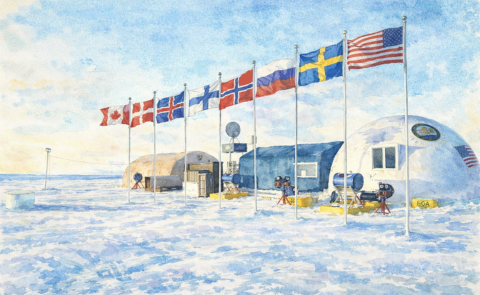
Arctic politics: between competition and cooperation

The Arctic region is at the crossroads of the dramatic environmental shifts and heightened conflict that are shaping global politics today. In the region, major geopolitical events and enduring rivalries necessitate a logic of competition, yet coordination on transboundary issues remains important. This echoes the challenges facing oceans, ecosystems and planetary problems in global governance more broadly, in which political efforts yield frustratingly incremental, yet indispensable, results.

Website articles  (55) Courtesy: Andreea Campeanu/Getty Images
12 March 2026

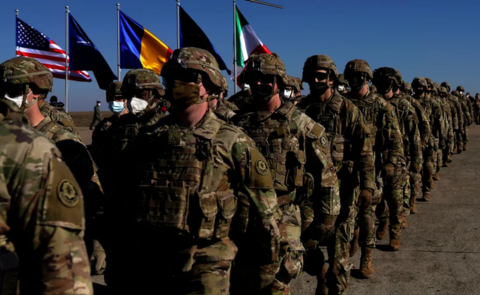
Europe’s strategic absence in West Asian conflict

The war in West Asia is crowded with armaments and players, but there is one presence that is LOB, or Left Out of the Battle: that of Europe. The Continent is peripheral in the current crisis. Structural constraints, strategic dependence on the U.S., internal political divisions, and a shift in Europe’s geopolitical priorities since the war in Ukraine, has reduced its strategic weight.

Website articles  (44) Courtesy: Indian Navy
26 February 2026

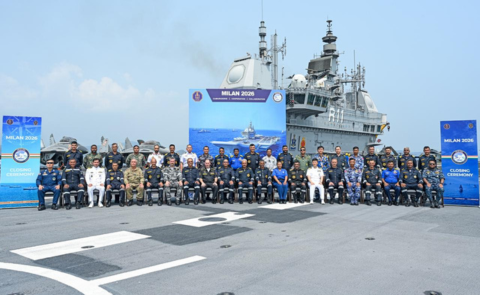
Indian Navy advances ambitions, enhances diplomacy

Over the last two decades, the Indian Navy has taken a quantum leap in modernising its fleet with stealth frigates, warships, submarines, and fighter planes. Its goal is to be the net security provider and first responder securing Sea Lines of Communication in the region. But it is still lagging behind its Indo-pacific naval partners and most important, its regional rival, China.

Website articles  (43) Courtesy: Reuters
25 February 2026

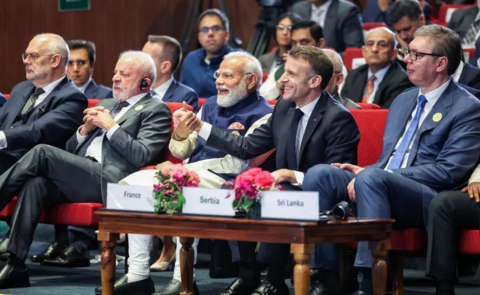
Macron, Modi, Lula: the emerging troika

A new troika is on the rise: India, France and Brazil, led by Modi, Macron and Lula. They were present at the AI Impact Summit in New Delhi on February 20, representing the three largest democracies in Latin America, Asia, and Europe. Can their mutual understanding and global influence bring prosperity and resilience to their economies and strengthen their cooperation in addressing global challenges?

Website articles  (48) Courtesy: Bayerischer Rundfunk
25 February 2026

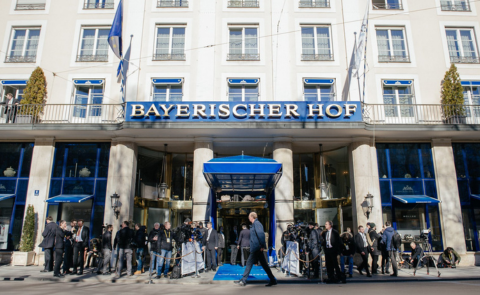
Munich diary: Europe at the crossroads

During the week of the Munich Security Conference, Munich transformed into a temporary capital of global diplomacy. Gateway House participated and hosted a Side Event, “Multipolarity without Multilateralism: India, Europe and the Future of Global Order” on February 14. This diary captures observations from the conference and the city, reflecting on Europe’s evolving priorities and how the continent assesses its role in an increasingly fragmented world.

2 (12) Courtesy: Ingram Pinn
19 February 2026

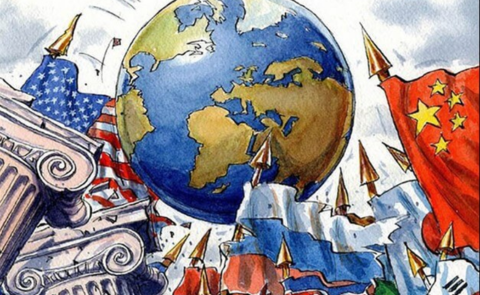
Managing multipolarity in a multilateral world

Multipolarity indicates who holds power, while multilateralism is about how states choose to cooperate. In today’s world, power is diffusing and interdependence is deepening simultaneously. A multipolar world creates fluid alignments and strategic competition, but multilateralism manages interdependence through rules and institutions. The world is becoming both, simultaneously, requiring states to manage competition, preserve cooperation, and stabilise an increasingly complex global landscape. That is easier said.

the influence of phil in the UN  (1) Courtesy: Debarpan Das
5 February 2026

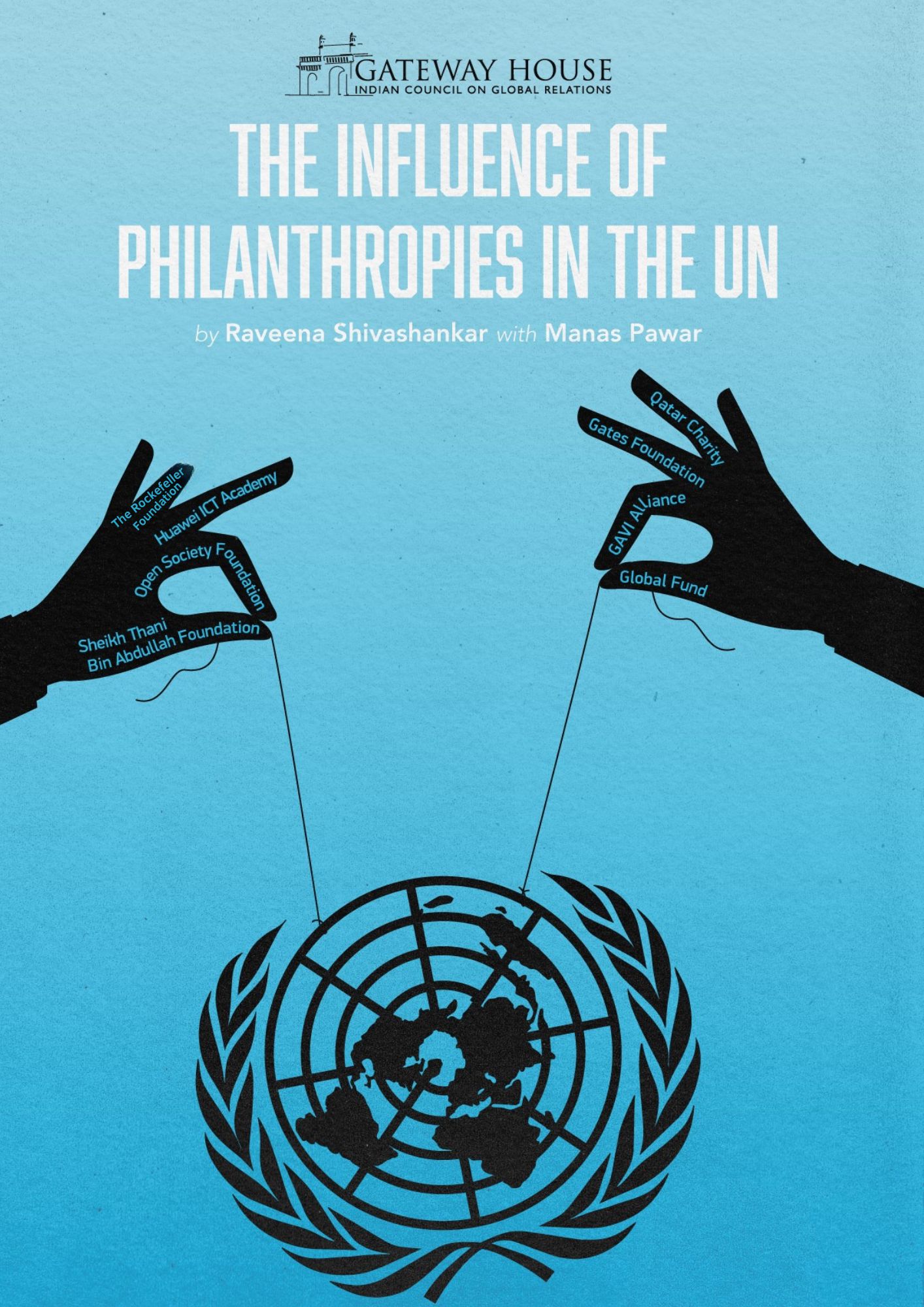
Influence of philanthropies in the UN

Over the last few decades, countries have stopped, delayed, or withheld their UN dues. The UN’s increasing financial needs have led to the acceptance of “voluntary” contributions. Those which come from any entities or individuals and are now its largest income stream. The biggest of these donors are the global philanthropies, which often have differing agendas from the UN’s responsibilities. This report studies these contributions and examines the linkages between donor priorities and UN mandates.

2 (6) Courtesy: Gateway House
5 February 2026

Influence of philanthropies in the UN

On January 7, 2026, the U.S. government announced its withdrawal from 31 UN organisations. This is a shock to the UN system. Several other countries have halted or only partially paid their dues over the years, creating a major funding gap. To cover for it, the UN has turned to “voluntary contributions” which come from philanthropic and private actors. Their misaligned mandates are distorting UN priorities.

2 (3) Courtesy: Getty Images
5 February 2026

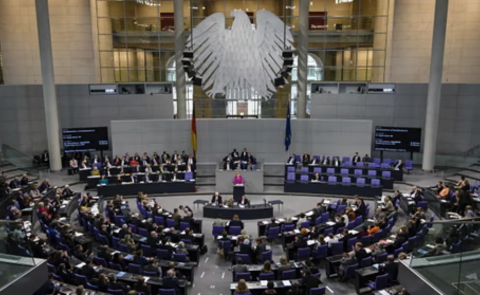
Germany’s reform under strain

Germany’s prospects in 2026 are defined by tension rather than momentum. The country is neither in crisis nor comfortably on a path to renewal. Instead, it is engaged in a difficult process of adjustment, seeking to reconcile fiscal restraint with strategic ambition, social protection with demographic reality, and climate leadership with industrial competitiveness.