Mecca Accord Courtesy: Gateway House
23 September 2026

Essay: Mecca Accord re-engineers regional security?

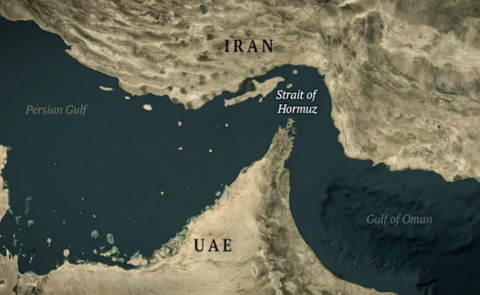
The sustainability of the Mecca Accord is determined by its response to three geopolitical challenges represented by India, Iran, and Israel. The India test centres on preventing the export of South Asian conflicts to the Gulf, the Iranian test rests on institutionalising sustainable deterrence beyond formulas of perpetual clash, and the Israeli axis tests the mechanisms for reshaping Saudi ties with American security and the future of regional normalisation.

Office of the Pakistani Prime Minister_AFP Courtesy: AFP
27 August 2026

Mecca Accord and India’s energy security

The Mecca Accord between Saudi Arabia, Turkiye and Pakistan has raised some red flags in the region, and in India. One element remains unchanged: India’s value to Riyadh as an energy importer. With demand security holding more weight than supply security in an uncertain future, a major and growing oil importer like India is more important than the cash-for-security arrangement the Kingdom has signed with Pakistan.

oil Courtesy: KNN
28 May 2026

India’s Opportunity in the New Oil Order

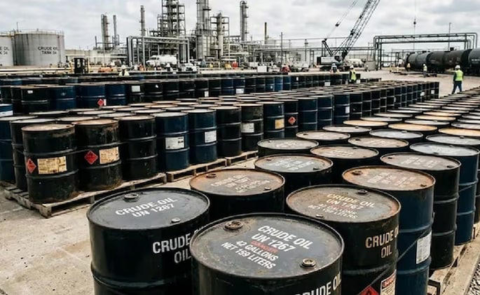
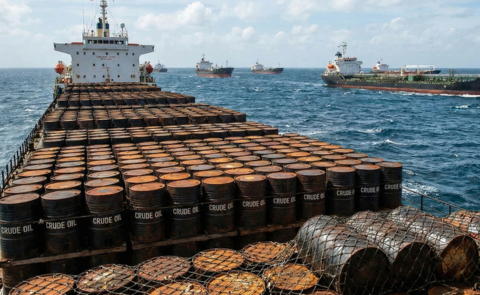
The UAE’s recent exit from OPEC, and the U.S. push to sell more oil to India are markers of a new order in the oil world with demand security at a premium. As a major oil importer, India must respond to it smartly. It must develop deeper partnerships with both the UAE and U.S., and a new financial ecosystem and benchmarks for the new order.

Website articles  (73) Courtesy: AFR
2 April 2026

India’s options after the Persian Gulf war

The Persian Gulf conflict has already impacted India’s oil imports and financial security. However, India has not created meaningful options to protect itself from oil shocks over the last decade – and such shocks will continue. Now is the time for India to make equity investments in oil and gas companies in stable economies like the U.S., Canada and Australia, to protect itself from future energy crises.

Website articles  (60) Courtesy: MSN
19 March 2026

Gulf War pinches South Asia

The war in the Persian Gulf has already caused significant disruption in India’s South Asian neighbours. A prolonged conflict is likely to push the region back into economic and political crises from which it had been hopeful of emerging this year.

Website articles  (56) Courtesy: Gateway House
19 March 2026

BRICS CBDCs can lead to financial multipolarity

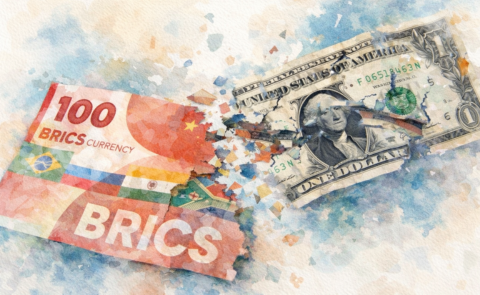
India’s proposal to link the digital currencies of the BRICS nations could alter how emerging economies settle trade deals. It is necessary to examine the reasoning behind such a move, its effort to reducing dollar dependence, and the benefits that accrue to India.

the influence of phil in the UN  (1) Courtesy: Debarpan Das
5 February 2026

Influence of philanthropies in the UN

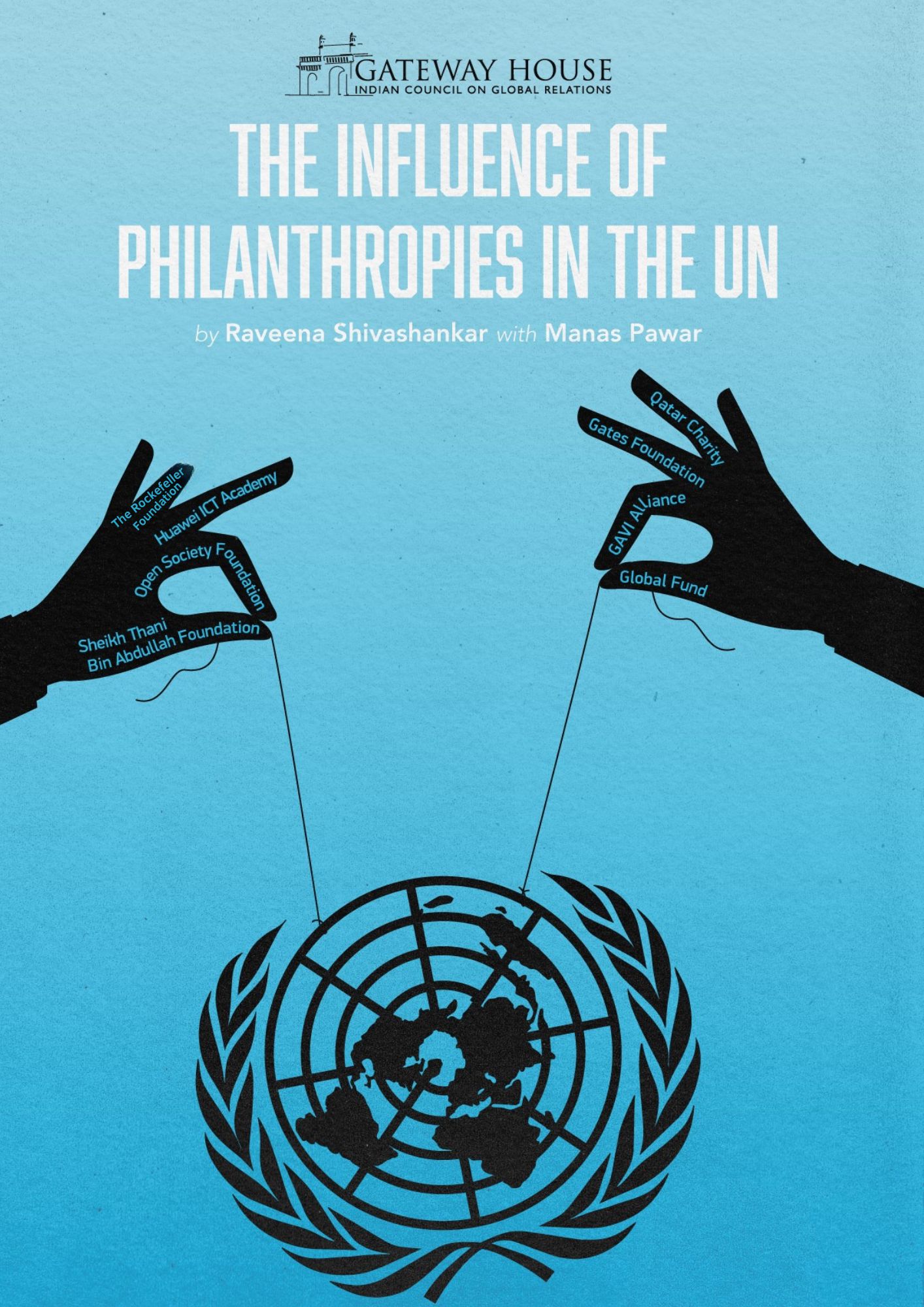
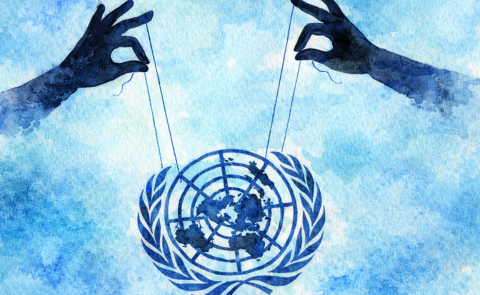
Over the last few decades, countries have stopped, delayed, or withheld their UN dues. The UN’s increasing financial needs have led to the acceptance of “voluntary” contributions. Those which come from any entities or individuals and are now its largest income stream. The biggest of these donors are the global philanthropies, which often have differing agendas from the UN’s responsibilities. This report studies these contributions and examines the linkages between donor priorities and UN mandates.

2 (6) Courtesy: Gateway House
5 February 2026

Influence of philanthropies in the UN

On January 7, 2026, the U.S. government announced its withdrawal from 31 UN organisations. This is a shock to the UN system. Several other countries have halted or only partially paid their dues over the years, creating a major funding gap. To cover for it, the UN has turned to “voluntary contributions” which come from philanthropic and private actors. Their misaligned mandates are distorting UN priorities.

Most popular Indian actors worldwide Courtesy: Gateway House
1 October 2025

Indian Cinema as Economic Catalyst

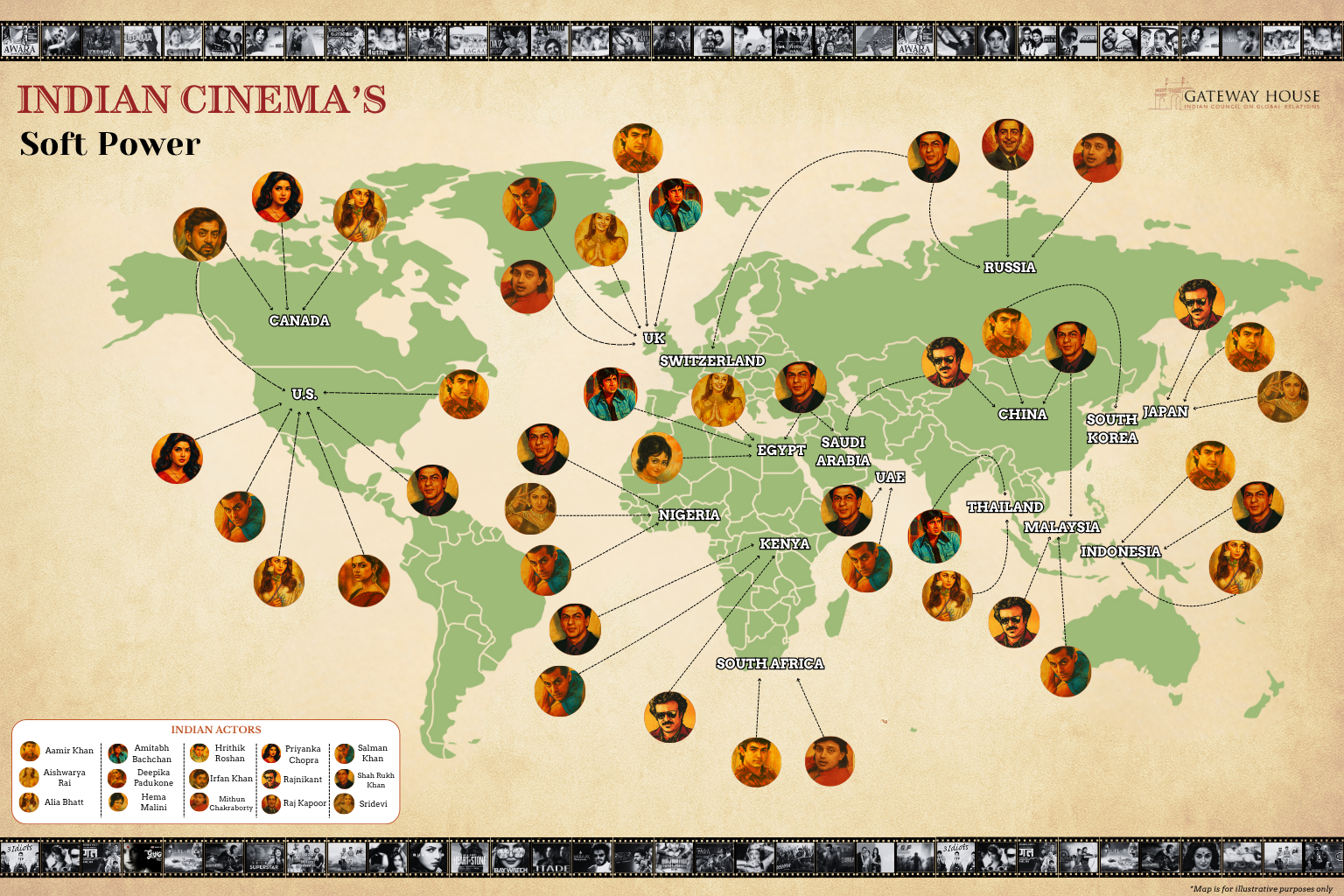
As India seeks leadership in a multipolar world, cultural credibility is as vital as economic clout. Cinema gives India an edge with vivid storytelling, music, and empowering narratives, fostering understanding in a polarised world. Its popularity correlates with trade, as seen in the U.S., Russia, and Middle East. The more popular the cinema, the bigger the boost to trade.

U.S. Tariffs on Brics+ countries Courtesy: Gateway House
25 September 2025

U.S. Reciprocal Tariffs on BRICS+ countries

Under U.S. President Donald Trump’s reciprocal trade policy, the original five BRICS member countries account for the highest U.S. tariffs globally. India and Brazil are facing the highest tariffs of 50%, while China follows with a tariff of 34%, down from 145% earlier in the year. This infographic details the U.S. reciprocal tariff rates for each BRICS+ member and the sectors that are impacted.