Xinhua / Wang Ye Courtesy: Xinhua / Wang Ye
8 September 2026

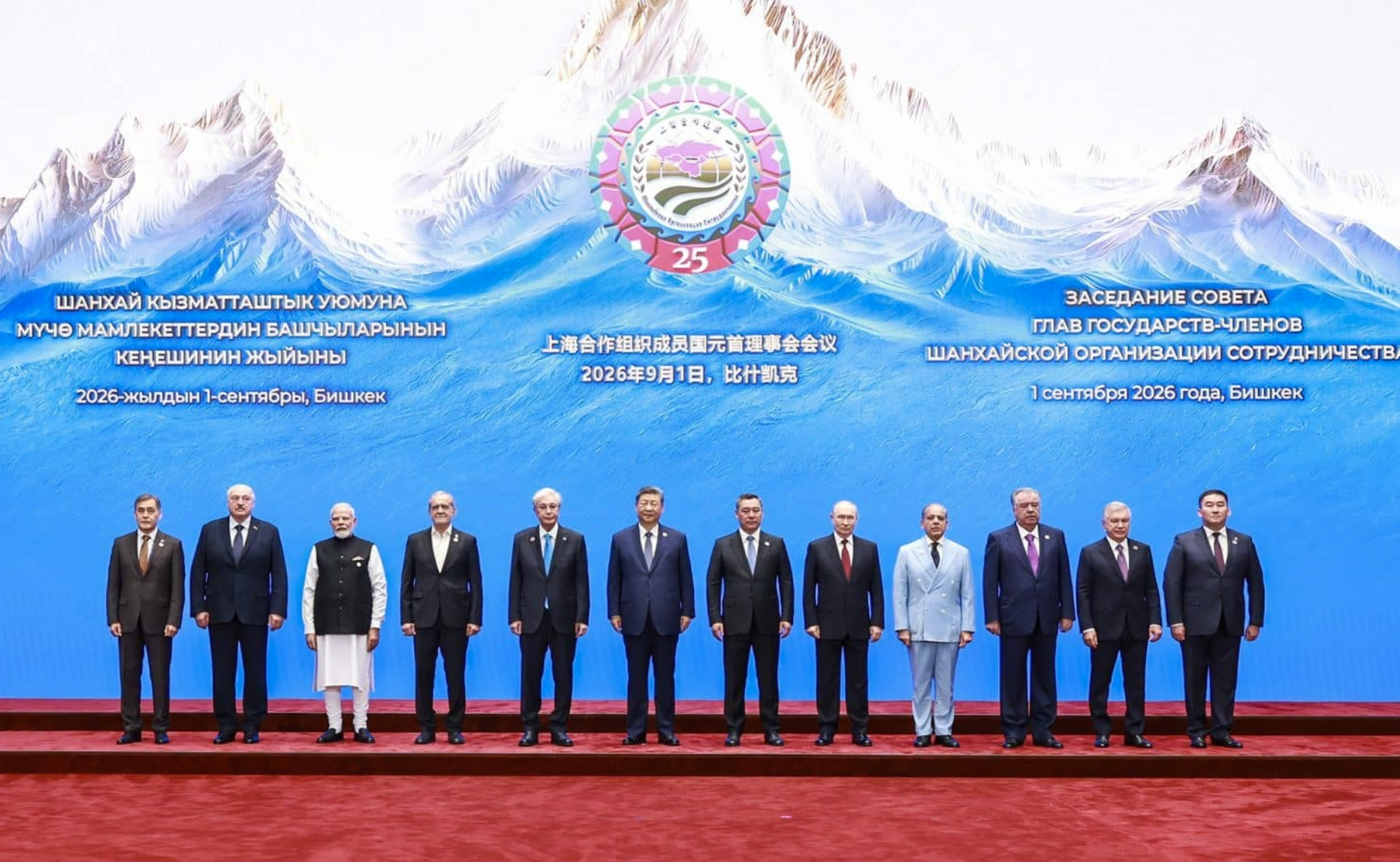
The SCO at 25 is evolving

The SCO aims to be more than a security dialogue, because churn in the global order means not only military power but includes new instruments like infrastructure, energy and technology. The SCO has potential here. China’s factories, Russia’s energy and resources, India’s technology and services, and Central Asia’s location and minerals, connected to Iran and Pakistan’s location on the Arabian Sea, could become a formidable economic geography.

X / @MEAIndia Courtesy: X / @MEAIndia
31 August 2026

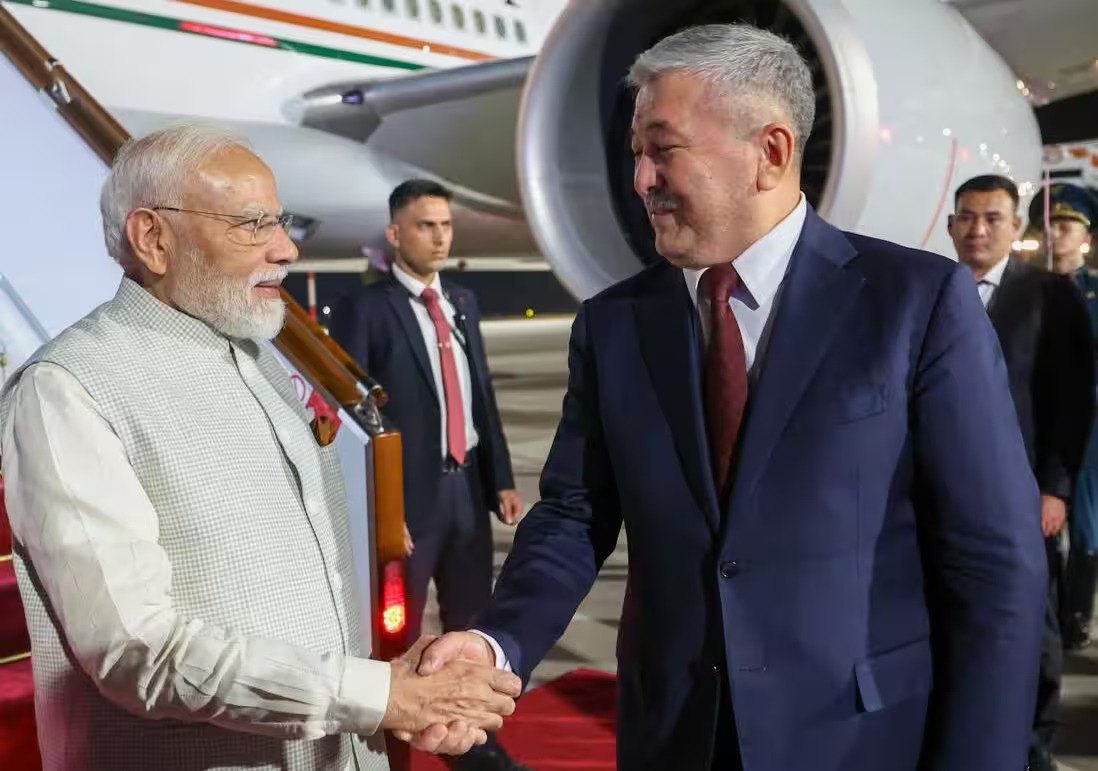
SCO summit in Bishkek

As 25 years of the Shanghai Cooperation Organization (SCO) culminate in Bishkek, India waits intently, assessing the SCO's development. With PM Modi representing India from August 31–September 1, 2026, having previously chaired the SCO Council of Heads of Government in 2020, the forthcoming summit should provide an opportunity for the Indian delegation to take stock of the current status of previous initiatives and their advancements.

Japan Ministry of Defense Courtesy: Japan Ministry of Defense
13 August 2026

Japan’s 2026 Defence White Paper

Japan’s recently-released defence white paper marks a significant turn in intent and policy. The country’s long focus on economic security is now blended with its defence capacity, bringing together foreign policy, intelligence, and economic, technological and industrial capacities into a “comprehensive architecture for national defence.” This is a new conception of national security in Japan.

IndiaSpend Courtesy: IndiaSpend
23 July 2026

Mizoram’s Chin refugees from Myanmar

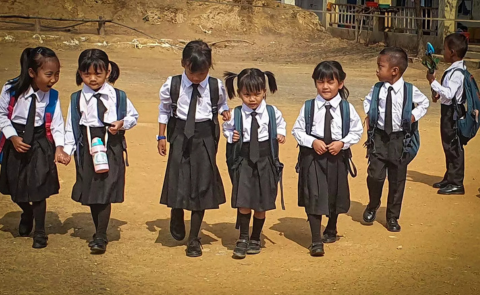
The northeast state of Mizoram is home to 40,000 Chin refugees from Myanmar. It’s a natural refuge because of the close ethnic and family ties that bind them to the indigenous Mizo. But it is putting a strain on a poor state with a population of just 12 lakhs. Civil society organisations and the state government provide humanitarian aid. Despite the bonhomie between the host Mizo and the Chin, some issues persist.

Dr. RS Courtesy: Gateway House
18 June 2026

Pakistan-Afghanistan: Conflict Without Resolution

Pakistan and Afghanistan have long shared one of the world's most volatile borders. Pakistan's 2025 airstrikes inside Afghanistan marked a dramatic rupture in a relationship Islamabad had once carefully cultivated. Regional expert Raghav Sharma examines the evolving military balance, China’s mediation efforts, the role of the Gulf states, and how the Iran conflict is reshaping Pakistan’s economy and internal fault lines. The result is a region facing multiple crises, where traditional strategic assumptions no longer offer clear answers.

Website articles  (1) Courtesy: Gateway House
18 June 2026

The relevance of the Indo-Pacific

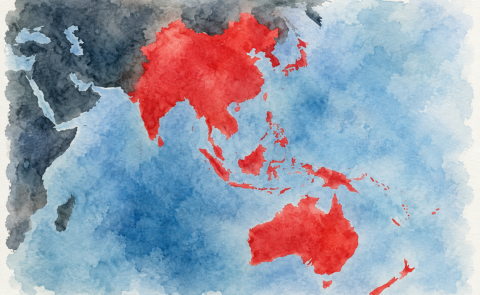
After eight years of its nomenclature, on 16th June the U.S. Pacific Command dropped the 'Indo' from its military command title. It reflects clearly that the U.S. does not consider the Indo-Pacific region to be the most consequential theatre of geopolitics today. Yet its significance as the platform on which great-power contestation in political, military, technological, and economic domains will play out cannot be overstated.

Kenny Holston  AP (2) Courtesy: x/@MEAIndia
11 June 2026

Myanmar president’s visit: realities and gaps

The recent visit of Myanmar President Min Aung Hlaing to India has re-engaged the two neighbours politically after a six-year gap. Critics and pragmatists had much to say, but the outcome spoke for itself: constructive border management, defence agreements and economic cooperation. And a reminder that India has not forgotten about Daw Aung San Suu Kyi, the democracy icon.

1 (5) Courtesy: Gateway House
11 June 2026

Decoding India’s Neighbourhood dynamics

Nepal’s ruling party leader, Rabi Lamichhane, visited India from June 1-5, 2026, highlighting Nepal’s evolving political priorities under the leadership of new Prime Minister Balendra Shah. A conversation with Nayanima Basu examines how India is faring under its Neighbourhood First and Act East policies and how New Delhi should navigate an increasingly volatile and sensitive region.

Rajiv Bhatia with Aung San Suu Kyi Naypyidaw in 2013 Courtesy: Rajiv Bhatia
14 May 2026

Leaves from my Myanmar diary

Myanmar’s latest political transition offers the illusion of closure, but little clarity. After years of conflict triggered by the 2021 coup, a new administration under Min Aung Hlaing takes charge amid continuing resistance and fragmentation. Is this consolidation or another phase of instability? Reflecting on this question, Ambassador Rajiv Bhatia draws upon his three-decade-long association with Myanmar, including serving as India’s Ambassador from 2002 to 2005.

amb HVS (2) Courtesy: Gateway House
7 May 2026

Unfolding Geopolitics Episode 33 |Foreign policy impact of Bengal elections

The state elections in the eastern states of Bengal and Assam have given a massive mandate to the ruling Bharatiya Janata Party. The opportunity for transformation and progress is enormous, especially as both these states are the crucial connectors to India’s Act East Policy. Harsh Shringla, Member of Parliament and former Foreign Secretary of India, says India’s foreign policy will see multiple benefits from these states.