Xinhua / Wang Ye Courtesy: Xinhua / Wang Ye
8 September 2026

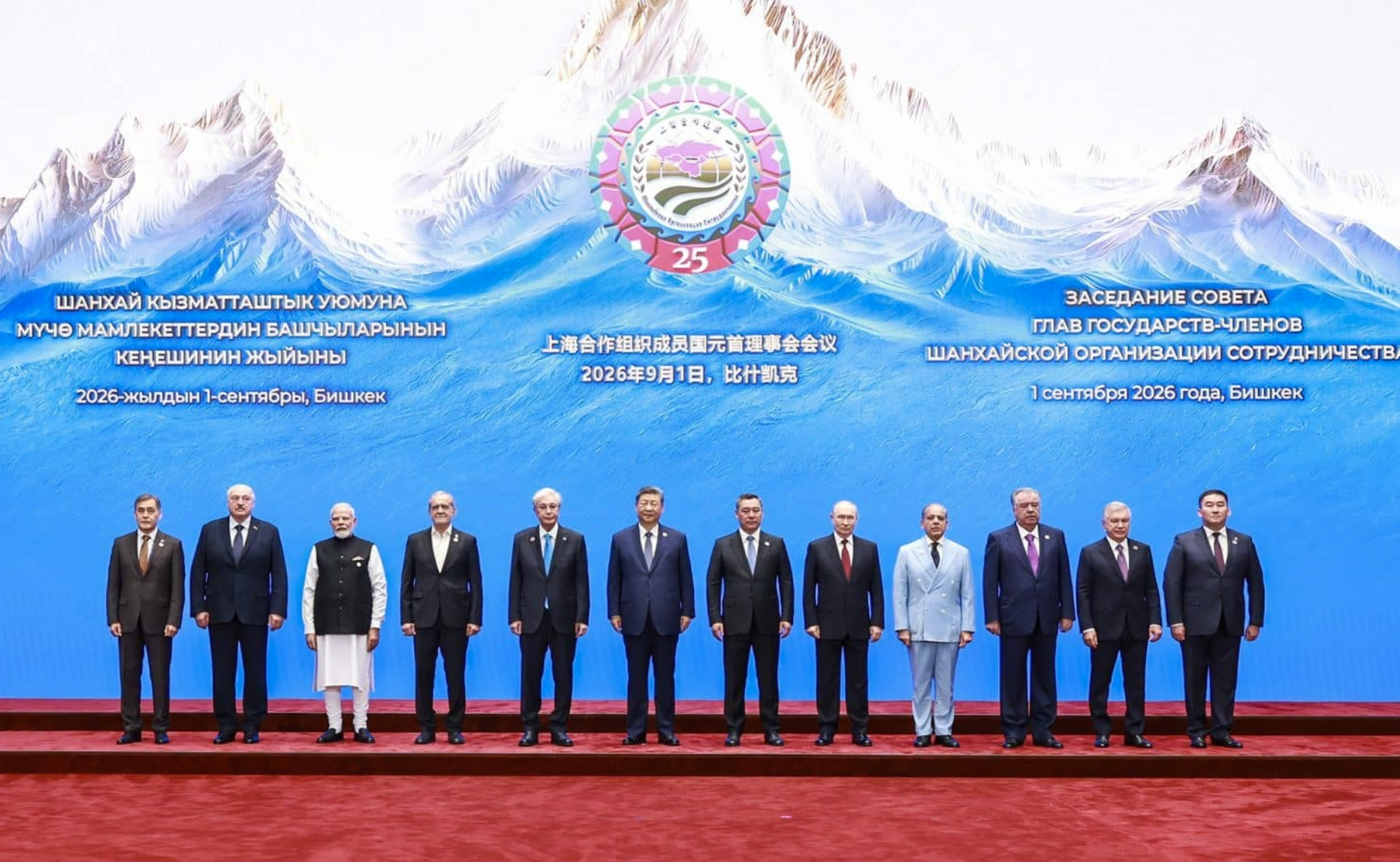
The SCO at 25 is evolving

The SCO aims to be more than a security dialogue, because churn in the global order means not only military power but includes new instruments like infrastructure, energy and technology. The SCO has potential here. China’s factories, Russia’s energy and resources, India’s technology and services, and Central Asia’s location and minerals, connected to Iran and Pakistan’s location on the Arabian Sea, could become a formidable economic geography.
X / @MEAIndia Courtesy: X / @MEAIndia
31 August 2026

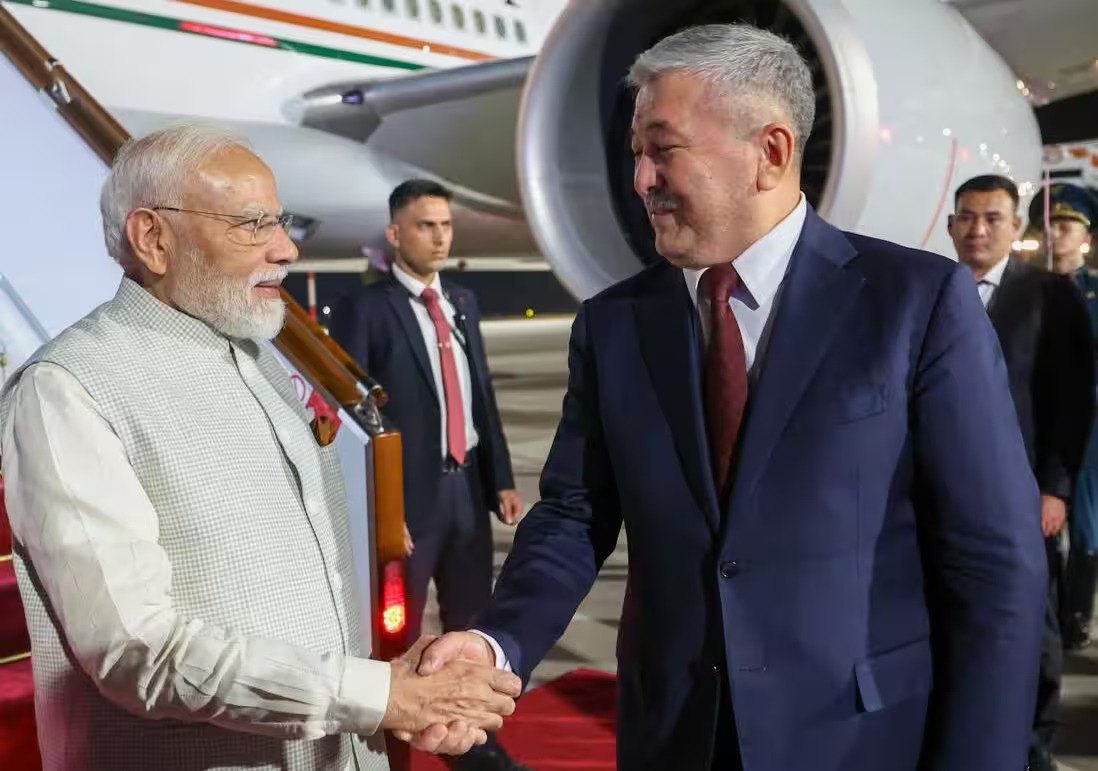
SCO summit in Bishkek

As 25 years of the Shanghai Cooperation Organization (SCO) culminate in Bishkek, India waits intently, assessing the SCO's development. With PM Modi representing India from August 31–September 1, 2026, having previously chaired the SCO Council of Heads of Government in 2020, the forthcoming summit should provide an opportunity for the Indian delegation to take stock of the current status of previous initiatives and their advancements.

revised design Courtesy: Gateway House
27 November 2025

Rise of the Davos Competitor

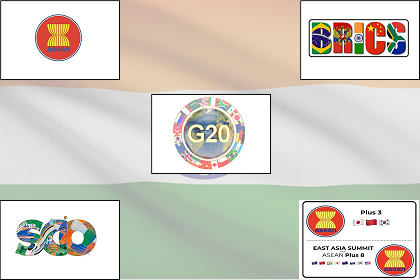
U.S. health secretary Robert Kennedy Jr. called the World Economic Forum a “billionaires’ boys club” imposing totalitarian controls. Indeed, since 1971, the elite platform shaped geopolitics. But its Western-centricism kept out the concerns of the rest. This gave rise to alternative forums, which look beyond financial agendas to the perspectives shaping the Global South. Here are 45 of biggest, half of which began just two decades ago.

Website articles  (4) Courtesy: Indian Embassy in Moscow / FB
30 October 2025

India in Russia’s polycentric world order

The Valdai 2025 conference’s single confirmation was this: Russia believes the post-Western world is already functioning. It is no longer seeking to re-enter Western-led institutions; it is building around them. The polycentric world is like a network, not a hierarchy. No one needs to choose a camp.

Koerber Stiftung (3) Courtesy: Getty
16 October 2025

Labour Corridors: India-Russia’s Next Bet

The labour movement in the India-Russia corridor is a new element in the bilateral. It is already visible in the Delhi–Moscow flights. The usual students and tourists now share the cabin with welders, salon workers, and builders, many on their first overseas assignment. The trend signals a shift in Russia’s migration geography and opens a corridor linking India’s skill base with Russia’s industrial demand.

President of Russia Courtesy: President of Russia
2 October 2025

Valdai frames Russia’s global doctrine

Each autumn, Russia convenes its flagship Annual Summit — a gathering of global leaders, business elites and intellectuals. Often compared in scale to Davos or Shangri-La, what sets Valdai apart is President Vladimir Putin’s extended, unscripted dialogue with the audience. Over the years, India has moved to the centre of this dialogue, reflecting its strategic weight and offering rare insight into Moscow’s evolving worldview.

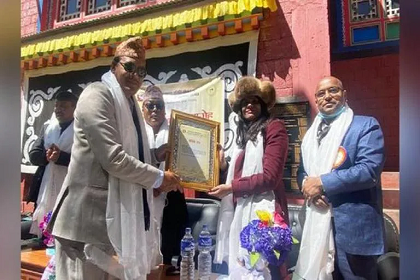
Amb Gurjit Singh Courtesy: ANI
17 August 2022

75 years of development cooperation

Since 1947, India has had a proud record of development cooperation. It began even though it was newly independent and itself developing, but created a camaraderie with movements in other emerging countries. Now after 75 years, its time to move toward an FDI-led model, which will particularly help reduce the rising indebtedness in the developing world.

sco meeting pngf Courtesy: Ministry of Foreign Affairs, Kazakhstan
4 August 2022

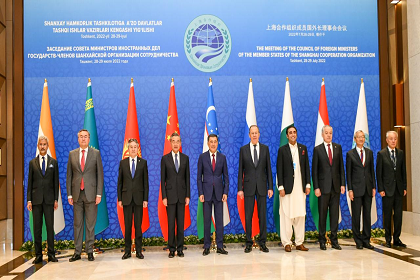
A fruitful SCO foreign ministers’ meet

The SCO foreign ministers met in Tashkent in July to plan for the all-important SCO summit in September. New additions and old issues remain, but the SCO is now growing into a significant grouping, with importance to India

7396fefe-aba2-49fe-a3e5-33b8cea9ebf1 Courtesy: WWF
30 June 2022

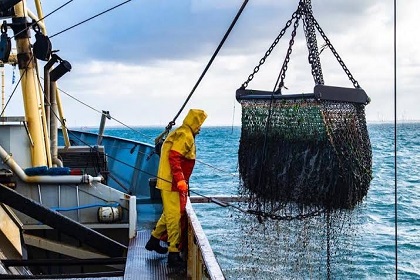
Can the WTO Agreement Stop Unsustainable Fishing?

Hailed as historic, the new global rules to curb harmful fishing subsidies is a step towards sustainable fishery practices. The negotiated deal, however, is fraught with concerns over overcapacity in fisheries, deep-sea fishing legislations, and blue finance. It may be better for developing countries to formulate their own regulations and set up mechanisms to prevent illegal fishing within their territorial waters – and hold the WTO agreement to its word.