Website articles  (75) Courtesy: PTI
10 April 2026

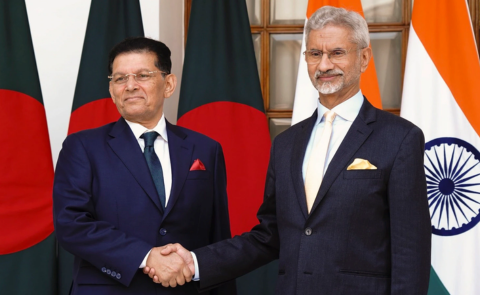
Delhi-Dhaka make progress

The visit of Bangladesh's foreign minister Khalilur Rahman to Delhi was an intermediate stage in the journey towards a full India-Bangladesh reset. The two countries have much to gain through deeper cooperation and more to lose if they drift. It’s time to focus on a common future by initiating bold trade and economic policies and linkages to counter vested interests that work to keep them apart.
rk (2) Courtesy: Gateway House
9 April 2026

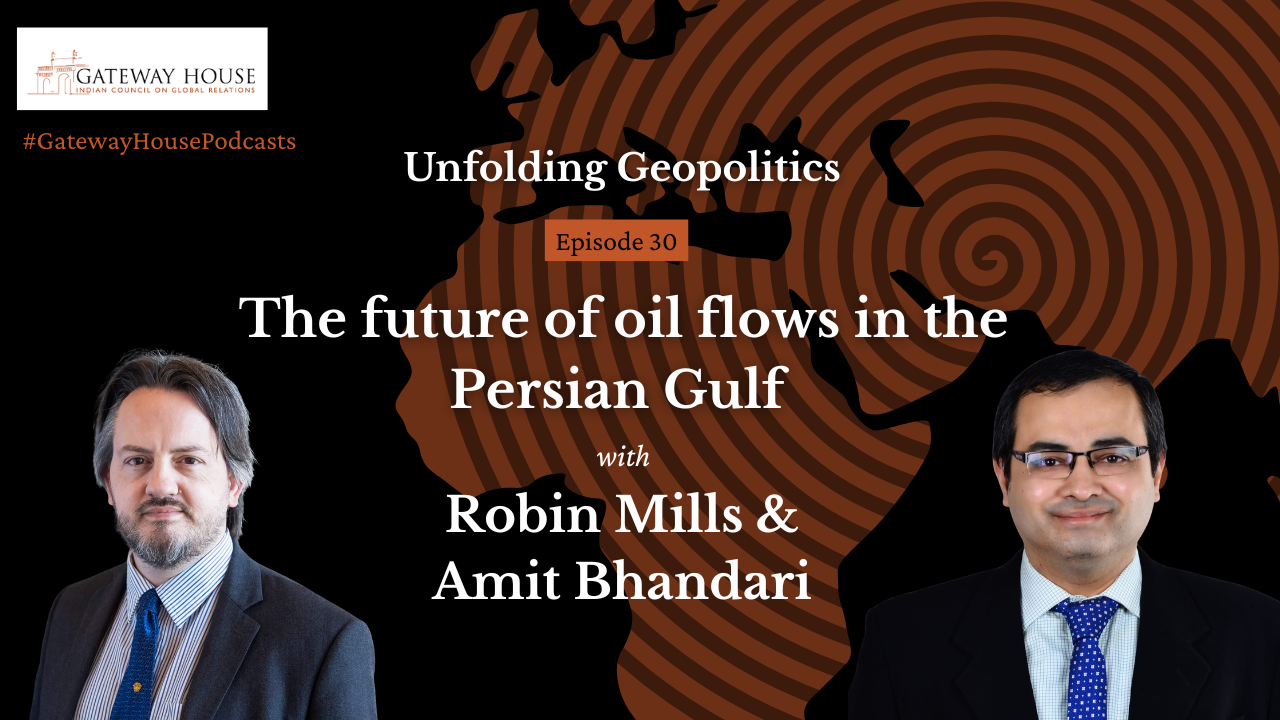
The future of Persian Gulf oil flows

The assumption that the Iranian public will rise up against its religious and political leadership, seizing the opportunity provided by Israel and U.S. strikes against Iran, may not prove true. Iran’s civilisational structure is resilient, and its educated population may not like being dictated to by the West. Raja Karthikeya, a former international civil servant based in Tehran, examines the escalating U.S.-Israel conflict with Iran, its regional and domestic implications and the tenacity of Iran’s political system amid external pressure.

Website articles  (74) Courtesy: Presidential Communications Office
9 April 2026

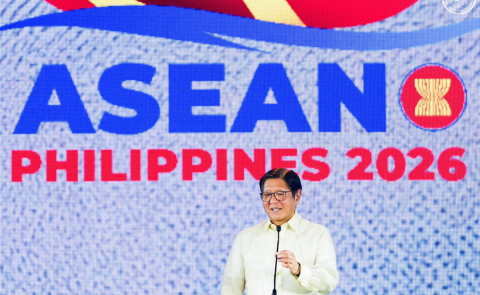
ASEAN challenged by the Iran crisis

The West Asia conflict has disrupted global stability, impacting ASEAN economies and diplomacy. As chair, the Philippines balances its alliance with the U.S. and regional neutrality, while Indonesia and Malaysia reflect domestic support for Arab states. With energy shocks, remittance risks, and inflation rising, ASEAN’s limited influence is evident. Has ASEAN once again been drawn into a vortex of crises beyond its control?

Website articles  (66) Courtesy: Reuters
26 March 2026

Myanmar’s second shot at limited democracy

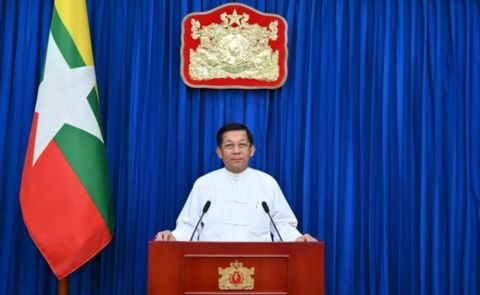
A new government will be sworn into office in Myanmar in April to run a ‘hybrid democracy’ in which military and civilian representatives will share power. It is Myanmar’s second experiment with this system. The West is rethinking its positioning on Myanmar and now seeking ‘calibrated engagement.’ India, too, should reassess its two-track diplomacy and develop a nuanced policy and an early outreach to the new leaders.

Website articles  (56) Courtesy: Gateway House
19 March 2026

BRICS CBDCs can lead to financial multipolarity

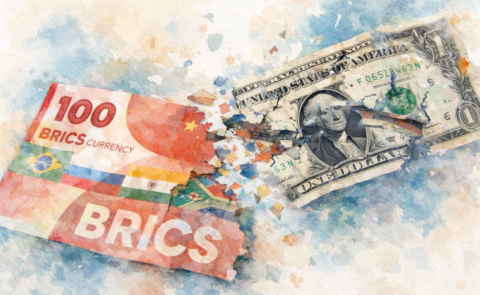
India’s proposal to link the digital currencies of the BRICS nations could alter how emerging economies settle trade deals. It is necessary to examine the reasoning behind such a move, its effort to reducing dollar dependence, and the benefits that accrue to India.

Website articles  (51) Courtesy: Gateway House
4 March 2026

Unfolding Geopolitics Episode 29 |War and uncertainty in Iran today

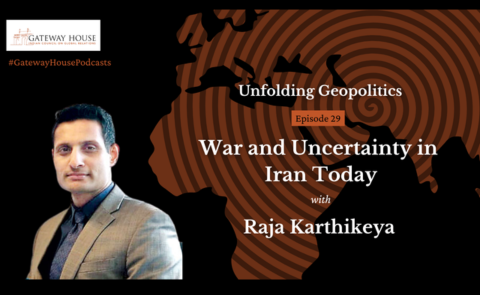
The assumption that the Iranian public will rise up against its religious and political leadership, seizing the opportunity provided by Israel and U.S. strikes against Iran, may not prove true. Iran’s civilisational structure is resilient, and its educated population may not like being dictated to by the West. Raja Karthikeya, a former international civil servant based in Tehran, examines the escalating U.S.-Israel conflict with Iran, its regional and domestic implications and the tenacity of Iran’s political system amid external pressure.

Website articles  (43) Courtesy: Reuters
25 February 2026

Macron, Modi, Lula: the emerging troika

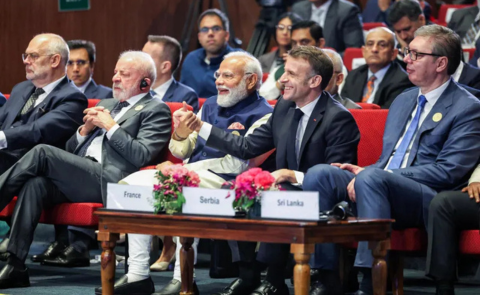
A new troika is on the rise: India, France and Brazil, led by Modi, Macron and Lula. They were present at the AI Impact Summit in New Delhi on February 20, representing the three largest democracies in Latin America, Asia, and Europe. Can their mutual understanding and global influence bring prosperity and resilience to their economies and strengthen their cooperation in addressing global challenges?

Website articles  (48) Courtesy: Bayerischer Rundfunk
25 February 2026

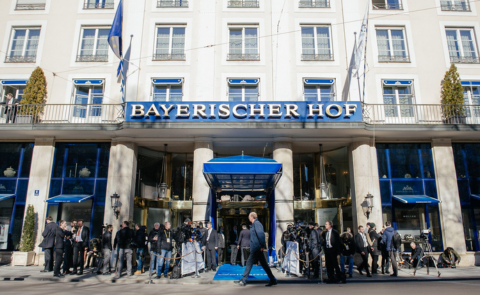
Munich diary: Europe at the crossroads

During the week of the Munich Security Conference, Munich transformed into a temporary capital of global diplomacy. Gateway House participated and hosted a Side Event, “Multipolarity without Multilateralism: India, Europe and the Future of Global Order” on February 14. This diary captures observations from the conference and the city, reflecting on Europe’s evolving priorities and how the continent assesses its role in an increasingly fragmented world.

Website articles  (41) Courtesy: ANI
19 February 2026

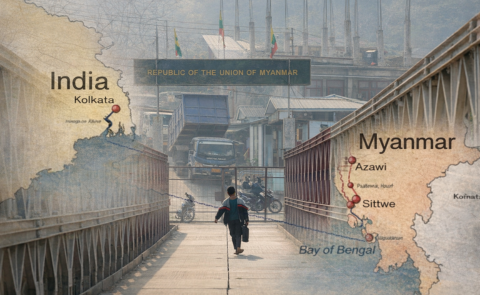
India and Myanmar after the military Coup

The Myanmar military coup of 1 February 2021 derailed a decade-long experiment in limited democracy, triggering violent resistance, armed conflict, fragmentation, and humanitarian crises. As instability deepens and global attention wanes, Myanmar’s turmoil carries significant implications for India, particularly along the border regions. With China’s growing footprint and ASEAN’s limited mediation, India must carefully navigate its Act East and Indo-Pacific strategies while sustaining people-to-people ties.

2 (8) Courtesy: ANI
11 February 2026

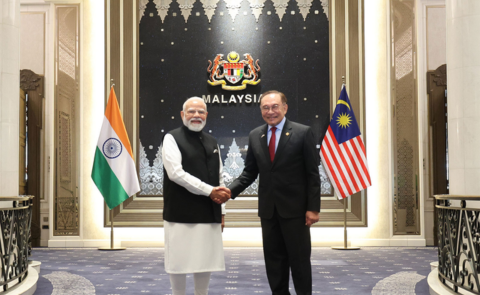
Modi brings momentum with Malaysia

From 7-8 February, Prime Minister Narendra Modi visited Malaysia to review the current state of bilateral ties and explore new avenues of cooperation. The focus was to deepen and diversify the economic dimension of the engagement. Two factors will help achieve this: Malaysia’s role in the ASEAN–India Trade in Goods Agreement review, and India’s enhanced negotiating weight following the signing of recent Free Trade Agreements. Both sides must now translate intent into action.