Website articles  (62) Courtesy: Gateway House
26 March 2026

Arctic politics: between competition and cooperation

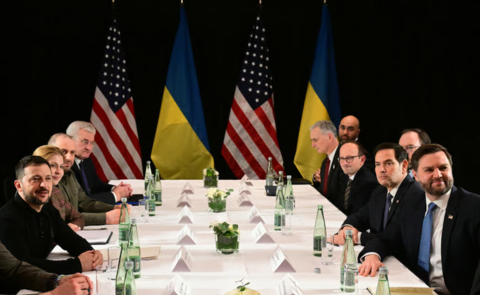
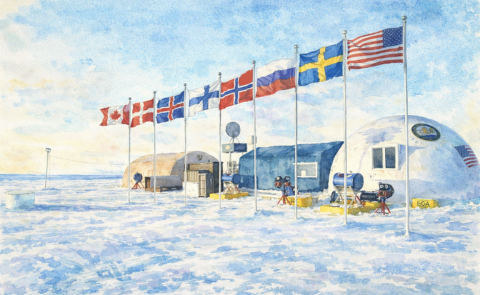
The Arctic region is at the crossroads of the dramatic environmental shifts and heightened conflict that are shaping global politics today. In the region, major geopolitical events and enduring rivalries necessitate a logic of competition, yet coordination on transboundary issues remains important. This echoes the challenges facing oceans, ecosystems and planetary problems in global governance more broadly, in which political efforts yield frustratingly incremental, yet indispensable, results.
Website articles  (43) Courtesy: Reuters
25 February 2026

Macron, Modi, Lula: the emerging troika

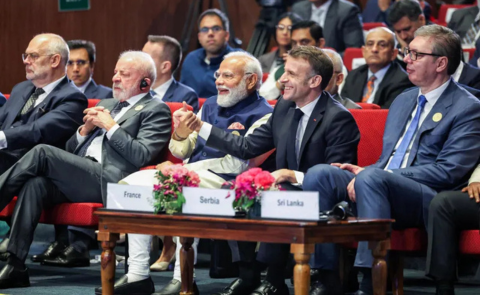
A new troika is on the rise: India, France and Brazil, led by Modi, Macron and Lula. They were present at the AI Impact Summit in New Delhi on February 20, representing the three largest democracies in Latin America, Asia, and Europe. Can their mutual understanding and global influence bring prosperity and resilience to their economies and strengthen their cooperation in addressing global challenges?

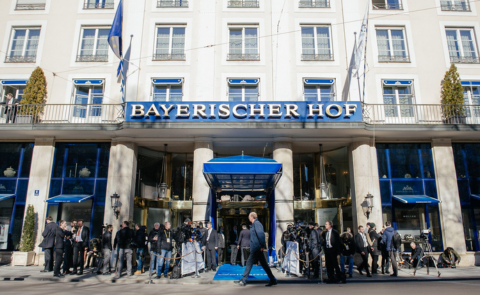
Website articles  (48) Courtesy: Bayerischer Rundfunk
25 February 2026

Munich diary: Europe at the crossroads

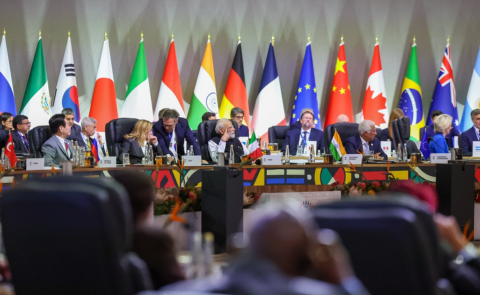
During the week of the Munich Security Conference, Munich transformed into a temporary capital of global diplomacy. Gateway House participated and hosted a Side Event, “Multipolarity without Multilateralism: India, Europe and the Future of Global Order” on February 14. This diary captures observations from the conference and the city, reflecting on Europe’s evolving priorities and how the continent assesses its role in an increasingly fragmented world.

2 (12) Courtesy: Ingram Pinn
19 February 2026

Managing multipolarity in a multilateral world

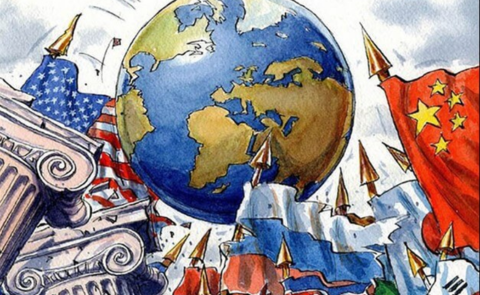
Multipolarity indicates who holds power, while multilateralism is about how states choose to cooperate. In today’s world, power is diffusing and interdependence is deepening simultaneously. A multipolar world creates fluid alignments and strategic competition, but multilateralism manages interdependence through rules and institutions. The world is becoming both, simultaneously, requiring states to manage competition, preserve cooperation, and stabilise an increasingly complex global landscape. That is easier said.

the influence of phil in the UN  (1) Courtesy: Debarpan Das
5 February 2026

Influence of philanthropies in the UN

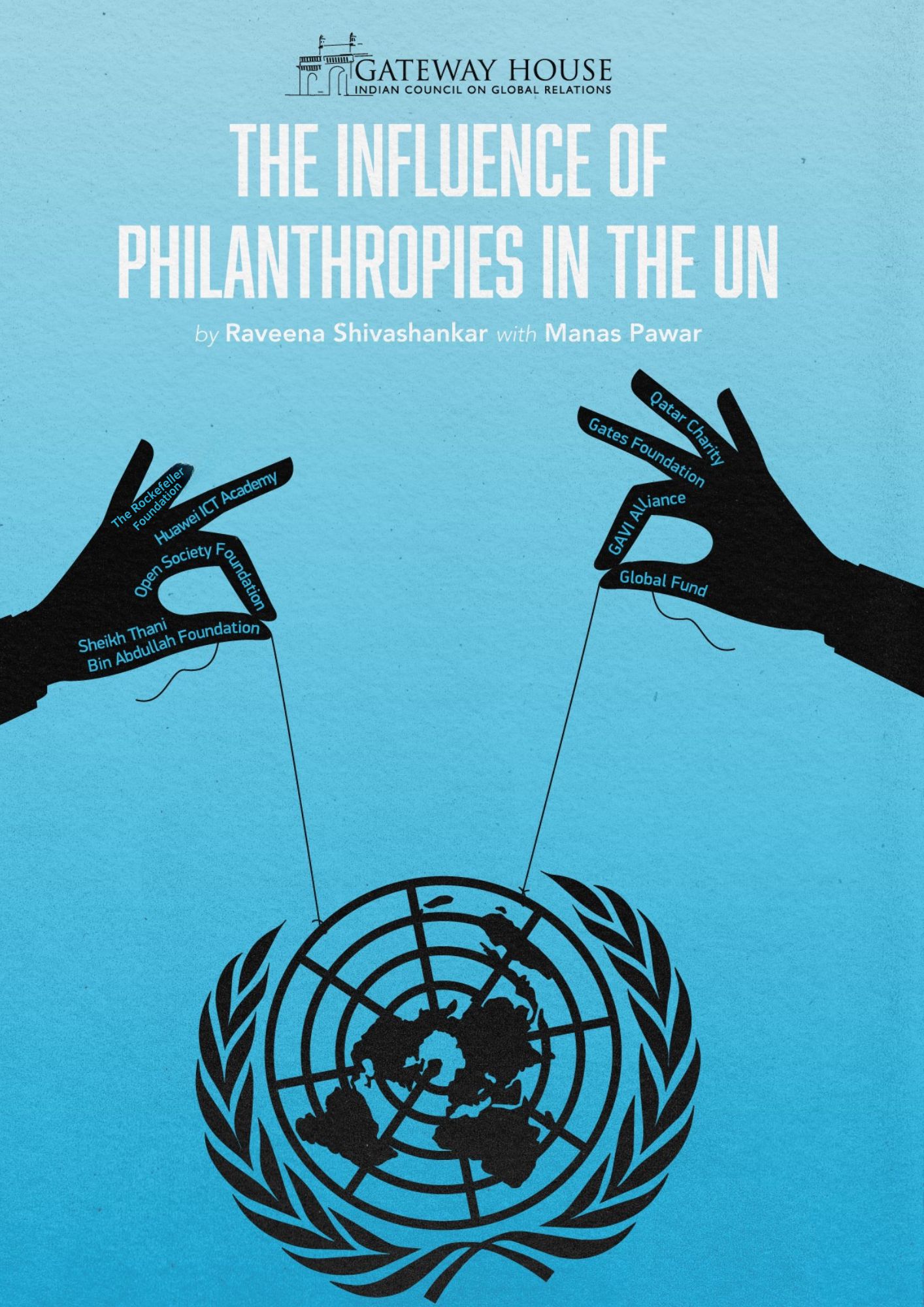
Over the last few decades, countries have stopped, delayed, or withheld their UN dues. The UN’s increasing financial needs have led to the acceptance of “voluntary” contributions. Those which come from any entities or individuals and are now its largest income stream. The biggest of these donors are the global philanthropies, which often have differing agendas from the UN’s responsibilities. This report studies these contributions and examines the linkages between donor priorities and UN mandates.

2 (6) Courtesy: Gateway House
5 February 2026

Influence of philanthropies in the UN

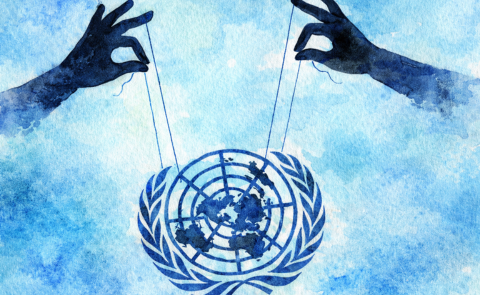
On January 7, 2026, the U.S. government announced its withdrawal from 31 UN organisations. This is a shock to the UN system. Several other countries have halted or only partially paid their dues over the years, creating a major funding gap. To cover for it, the UN has turned to “voluntary contributions” which come from philanthropic and private actors. Their misaligned mandates are distorting UN priorities.

News on Air (4) Courtesy: DD News
29 January 2026

The European pivot to India

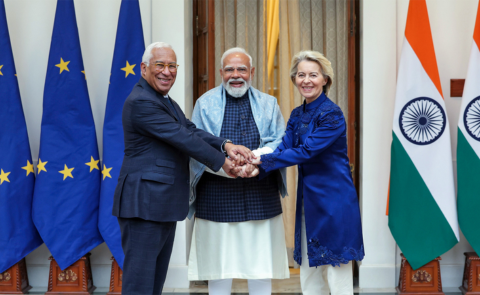
By signing the EU-India Free Trade Agreement on January 27, the ties that bind India and the European collective have been re-energised. They are now set to reach new heights, while overcoming past hesitations and divergences.

Website articles  (35) Courtesy: Getty Images
22 January 2026

Can NATO survive without Article 5?

The U.S. demand for Greenland for security purposes, has alarmed Europe enough for talk of Article 5 of NATO’s collective defence agreement to be put on the discussion table. But can NATO survive without Article 5? And can Article 5 survive without the U.S. defence cover for Europe?

News on Air Courtesy: News on Air
8 January 2026

2026: India’s foreign policy challenges

In the shifting sands of contemporary geopolitics, terms such as ‘fluid multipolarity’, ‘multiplexity’, ‘tripolarity’, and ‘bipolarity with multipolar characteristics’ are replacing the old dogmas and orders. But what is driving the world today? How does India plan to protect its vital interests in the current age of ongoing polycrisis? The road ahead is challenging, marked by risks and uncertainty.

revised design Courtesy: Gateway House
27 November 2025

Rise of the Davos Competitor

U.S. health secretary Robert Kennedy Jr. called the World Economic Forum a “billionaires’ boys club” imposing totalitarian controls. Indeed, since 1971, the elite platform shaped geopolitics. But its Western-centricism kept out the concerns of the rest. This gave rise to alternative forums, which look beyond financial agendas to the perspectives shaping the Global South. Here are 45 of biggest, half of which began just two decades ago.