Website articles  (51) Courtesy: Gateway House
4 March 2026

War and uncertainty in Iran today

The assumption that the Iranian public will rise up against its religious and political leadership, seizing the opportunity provided by Israel and U.S. strikes against Iran, may not prove true. Iran’s civilisational structure is resilient, and its educated population may not like being dictated to by the West. Raja Karthikeya, a former international civil servant based in Tehran, examines the escalating U.S.-Israel conflict with Iran, its regional and domestic implications and the tenacity of Iran’s political system amid external pressure.

President of Russia Courtesy: President of Russia
2 October 2025

Valdai frames Russia’s global doctrine

Each autumn, Russia convenes its flagship Annual Summit — a gathering of global leaders, business elites and intellectuals. Often compared in scale to Davos or Shangri-La, what sets Valdai apart is President Vladimir Putin’s extended, unscripted dialogue with the audience. Over the years, India has moved to the centre of this dialogue, reflecting its strategic weight and offering rare insight into Moscow’s evolving worldview.

Gateway House Courtesy: Gateway House
3 July 2025

China Plus One and global supply chains

A slowdown of the Chinese economy, and the shift, particularly by MNCs, from China to other more competitive locations has opened up business opportunities for latecomers to supply chains in the developing world. Evidence suggests that Southeast Asia and some South Asian countries like India, Sri Lanka, Bangladesh, could be beneficiaries of the supply chain shift, particularly in labour-intensive segments.

Getty (1) Courtesy: Gateway House
15 May 2025

The New Geopolitics and South Asia’s Trade Architecture – What Next?

Geopolitics is increasingly intertwined with the economic destiny of South Asia. Even before the U.S. tariffs were rolled out, growing polycrises had hit the global economy, which has been struggling since the pandemic. South Asia seems a relatively bright spark of regional trade and growth. This paper analyses South Asia’s trade architecture in the backdrop of a sluggish world economy in the 2020s, and makes recommendations for closer regional economic integration.

handbook Courtesy:
27 June 2024

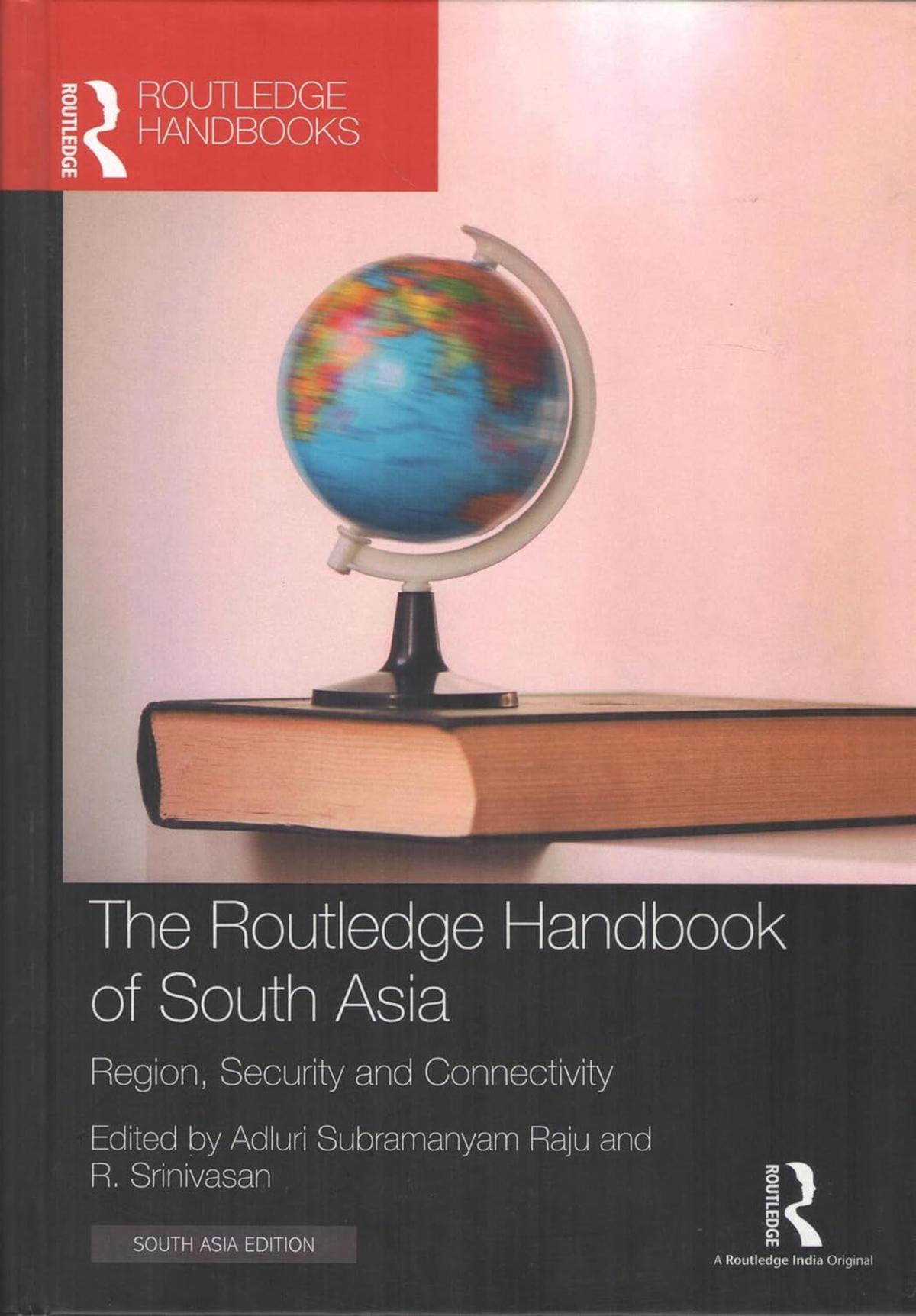
The Routledge Handbook of South Asia: Region, Security and Connectivity

The authors convincingly analyse the bewildering diversity, size and scale of the challenges of South Asia in a volume that is a rare treasure for those interested in deciphering the history, ethnic identities, colonial legacy, political economy, environmental risks, and geopolitical dynamics of the region.

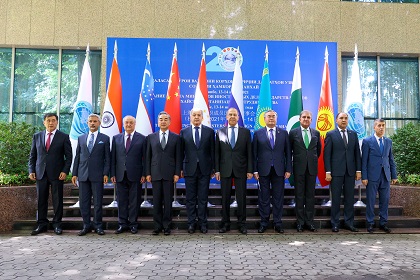
Foreign ministers and officials of the Shanghai Cooperation Organisation (SCO) pose for a group photo during a meeting in Dushanbe, Tajikistan July 14, 2021. Russian Foreign Ministry/Handout via REUTERS Courtesy: Reuters
20 April 2022

The SCO in Afghanistan

The Shanghai Cooperation Organisation has been focused on resolving the Afghan crisis. But divergent views of members and the influence of China and Pakistan have eluded a solution. This has been further impeded by the ongoing sanctions and humanitarian issues which are beyond the organisation's scope.

bimstec 2022 Courtesy: BIMSTEC
31 March 2022

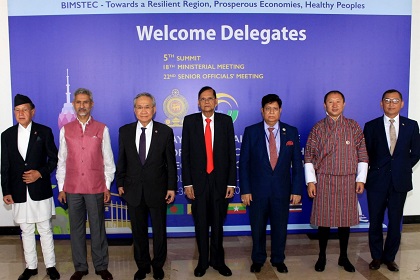
BIMSTEC steps forward

BIMSTEC is of special importance to India as it is a crucial link between the Neighbourhood First and Act East policies. This almost 25 year old multilateral can contribute to the Indo-Pacific region by addressing challenges in strategic areas of regional connectivity, security cooperation, free trade, and geoeconomic ties with external partners.

Afghanistan Aid Courtesy: AFP
10 February 2022

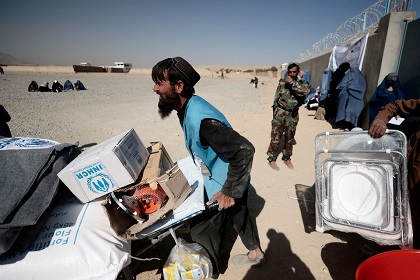
Failing Afghanistan politically and humanely

While international organisations in Afghanistan have made a noticeable impact in the humanitarian field, they have been less successful in the political field, putting into question their overall effectiveness.

The China-Pakistan-Taliban-Iran nexus Courtesy: Xinhua
11 November 2021

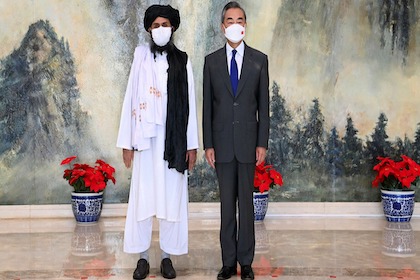
The China-Pakistan-Taliban-Iran nexus

China has followed Sun Tzu’s strategy of focussing on alliances - building its own and weakening those of its adversaries. Beijing’s carefully nurtured formations in West and Central Asia are part of this global power projection, especially with Pakistan, Iran and now, the Taliban, through projects like the Belt and Road Initiative. India must recalibrate its China policy and push for concerted regional responses to emerge as a balancing force against it.