the influence of phil in the UN  (1) Courtesy: Debarpan Das
5 February 2026

Influence of philanthropies in the UN

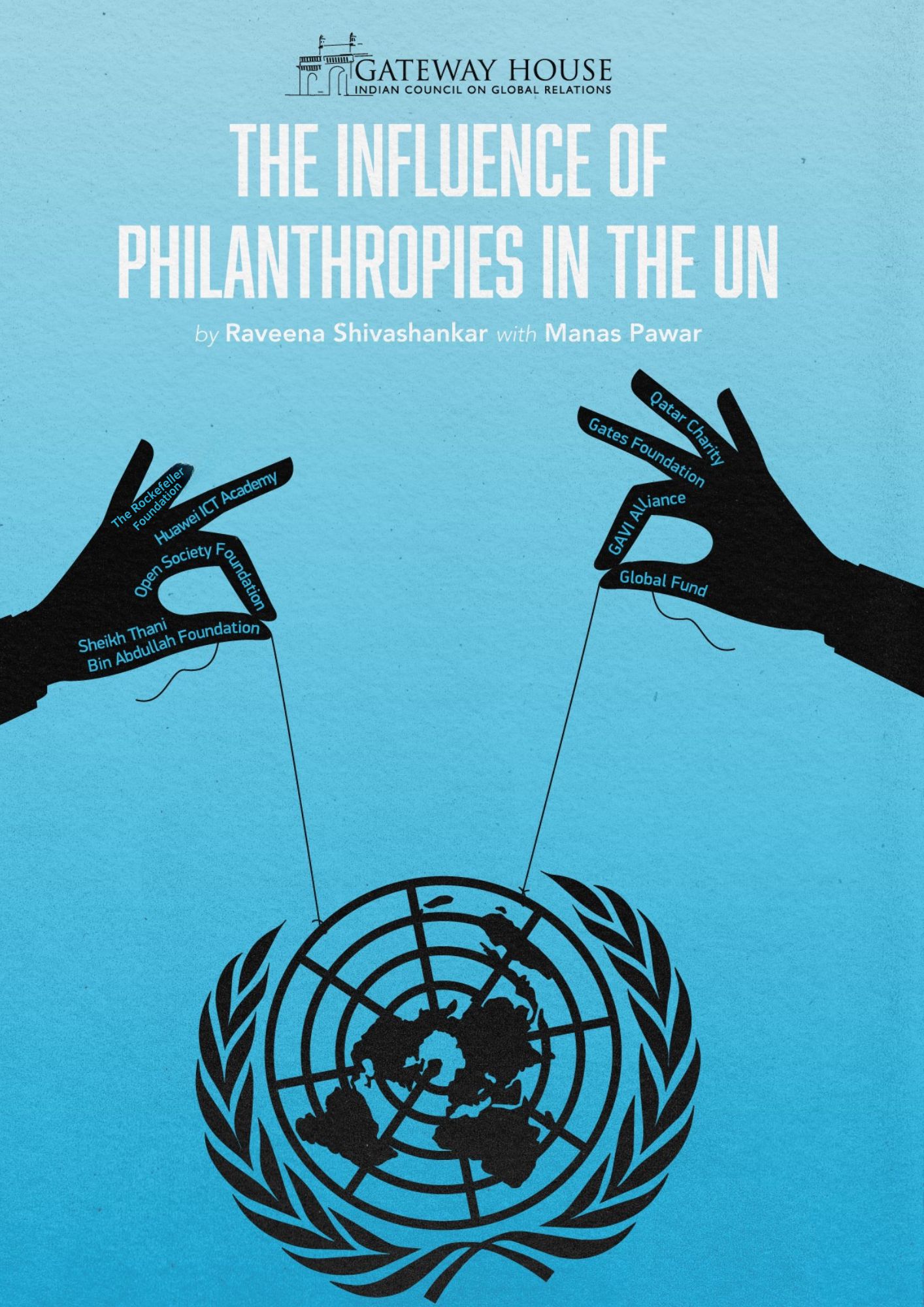
Over the last few decades, countries have stopped, delayed, or withheld their UN dues. The UN’s increasing financial needs have led to the acceptance of “voluntary” contributions. Those which come from any entities or individuals and are now its largest income stream. The biggest of these donors are the global philanthropies, which often have differing agendas from the UN’s responsibilities. This report studies these contributions and examines the linkages between donor priorities and UN mandates.
2 (6) Courtesy: Gateway House
5 February 2026

Influence of philanthropies in the UN

On January 7, 2026, the U.S. government announced its withdrawal from 31 UN organisations. This is a shock to the UN system. Several other countries have halted or only partially paid their dues over the years, creating a major funding gap. To cover for it, the UN has turned to “voluntary contributions” which come from philanthropic and private actors. Their misaligned mandates are distorting UN priorities.

Gateway House Courtesy: Gateway House
3 July 2025

China Plus One and global supply chains

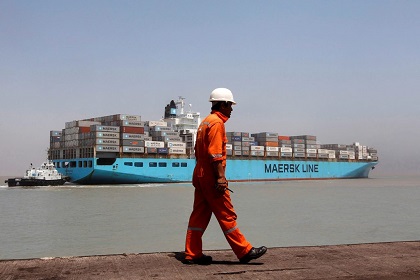
A slowdown of the Chinese economy, and the shift, particularly by MNCs, from China to other more competitive locations has opened up business opportunities for latecomers to supply chains in the developing world. Evidence suggests that Southeast Asia and some South Asian countries like India, Sri Lanka, Bangladesh, could be beneficiaries of the supply chain shift, particularly in labour-intensive segments.

Getty (1) Courtesy: Gateway House
15 May 2025

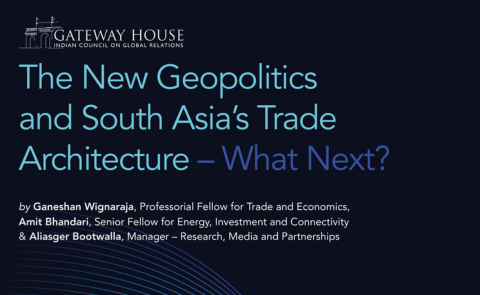
The New Geopolitics and South Asia’s Trade Architecture – What Next?

Geopolitics is increasingly intertwined with the economic destiny of South Asia. Even before the U.S. tariffs were rolled out, growing polycrises had hit the global economy, which has been struggling since the pandemic. South Asia seems a relatively bright spark of regional trade and growth. This paper analyses South Asia’s trade architecture in the backdrop of a sluggish world economy in the 2020s, and makes recommendations for closer regional economic integration.

PM Modi alongside other BIMSTEC leaders at 6th BIMSTEC Summit Courtesy: ANI
10 April 2025

BIMSTEC: Vision vs Reality

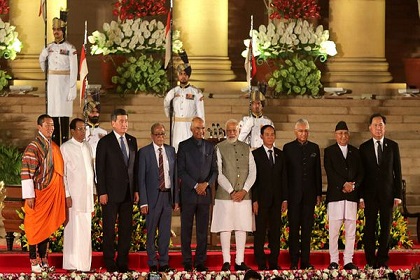
The 6th BIMSTEC Summit in Bangkok on April 4, 2025 saw progress for the organisation, such as the adoption of a ‘Vision 2030’ plan outlining its goals till 2030. In other areas, the grouping continues to lag. BIMSTEC must watch for potential challenges to its future as it seeks to bridge the gaps.

Turkstreampipe Courtesy: President of Russia-Events website
30 January 2025

LNG: winners and victims

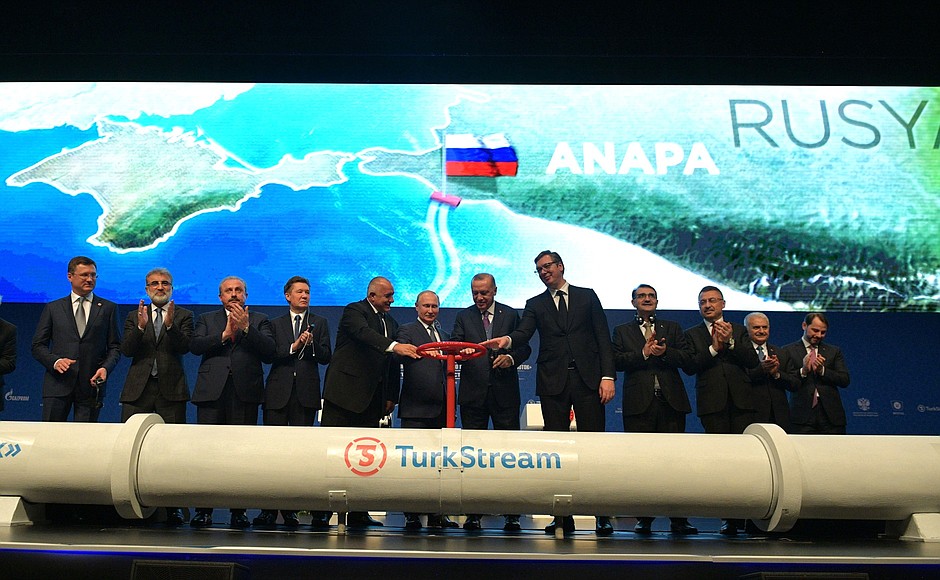
Europe has reduced its reliance on Russian gas following the war in Ukraine, and its chief supplier Russia is mired in western sanctions. What does it mean for Russia? It has certainly changed the fortunes for American gas to be sold to Europe: as of 2023, the US had become the world’s top exporter of gas.

handbook Courtesy:
27 June 2024

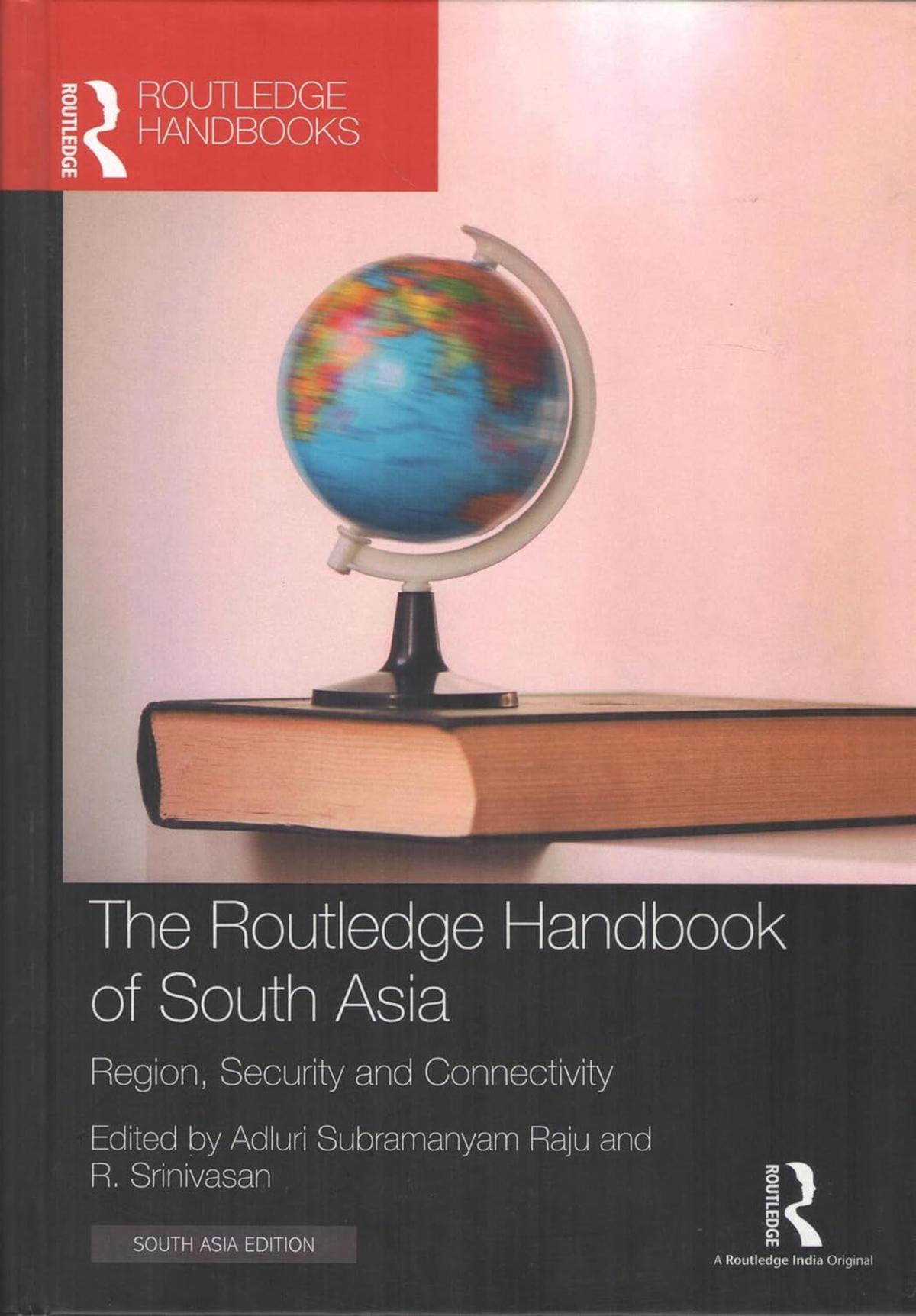
The Routledge Handbook of South Asia: Region, Security and Connectivity

The authors convincingly analyse the bewildering diversity, size and scale of the challenges of South Asia in a volume that is a rare treasure for those interested in deciphering the history, ethnic identities, colonial legacy, political economy, environmental risks, and geopolitical dynamics of the region.

Port-of-Matabari Courtesy: India Shipping News
24 April 2023

A new troika for India’s Northeast

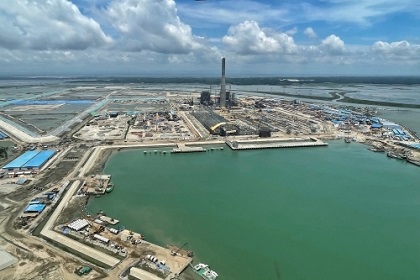
India’s Northeast is developing and getting close to its goal of being part of the Indian mainstream in connectivity and business – which is also critical for the success of India’s Act East Policy. For both goals, Bangladesh and Japan are invaluable partners and friends. The troika’s collaboration can be a model in the region.

indian port Courtesy: Reuters
9 February 2023

Trading more within Asia makes economic sense

The International Monetary Fund’s recent warning of a slowing global trade comes as a sign for South Asia to reassess its regional trade within the continent. India, in its year of G20 Presidency and as South Asia’s largest economy, can use its platform to lead the way via dialogue, capacity building, and regulatory policies to encourage open regionalism in Asia.

IMG-1700 Courtesy: @BIMSTECInDhaka
8 June 2022

BIMSTEC@25

June 6, 2022, marks 25 years since India, Bangladesh, Sri Lanka, Bhutan, Nepal, Myanmar and Thailand joined hands to create BIMSTEC and infuse South Asia with economic and institutional cooperation. The strategic geography of this grouping has the potential to bring new synergy between South Asia and the recently-instituted Indo Pacific Economic Framework, ASEAN and the Quad, for a prosperous, secure Bay of Bengal Community.