Global Times Courtesy: Global Times
17 September 2026

Russia-China trade ties grow amid sanctions

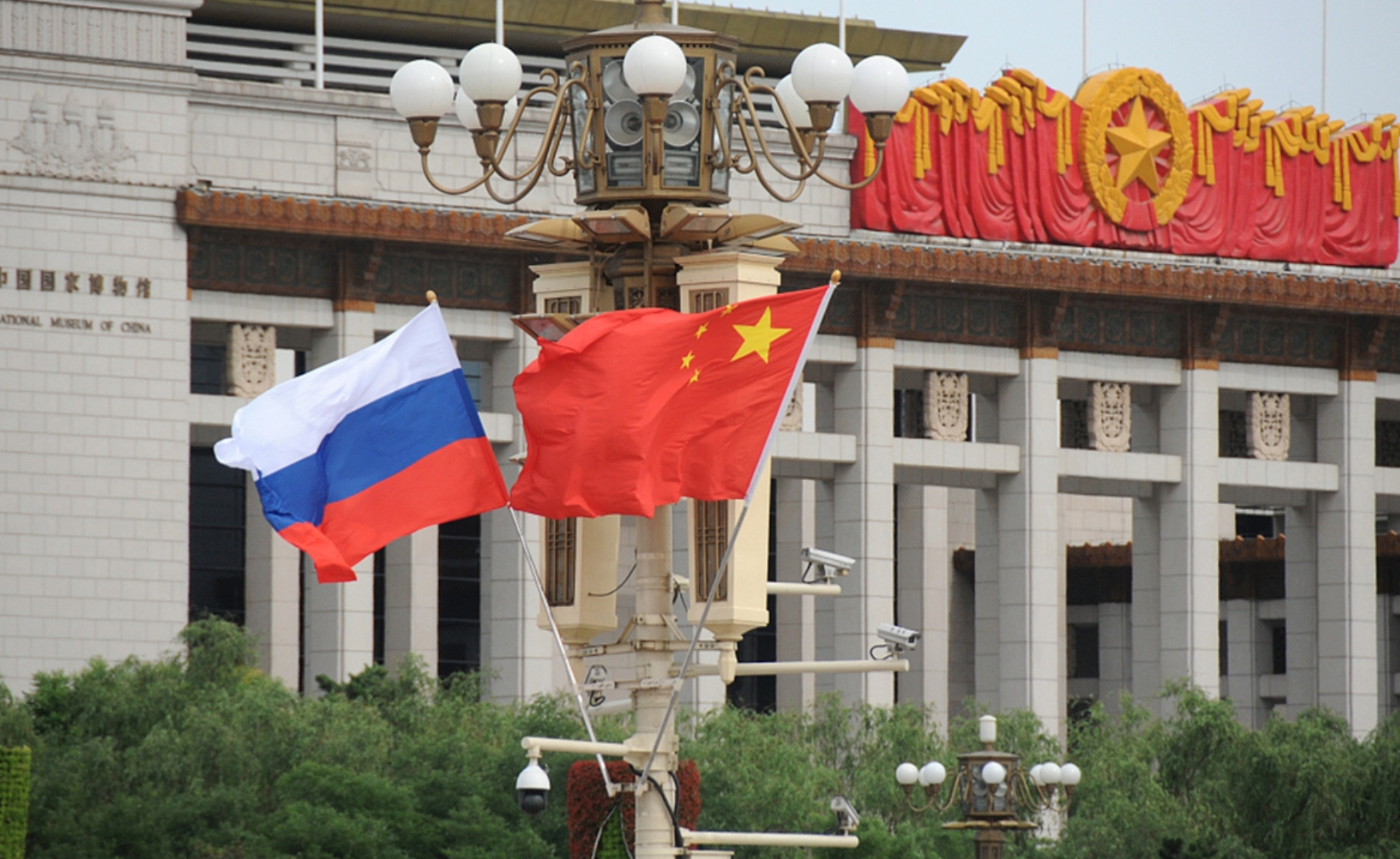
Russia marked 22 per cent growth in trade with China in the first half of 2026, putting it on track for a record-breaking year. Three decades of growth have made China indispensable to Moscow, while sanctions-evasion networks have eased Russia’s isolation and increased dependence on Beijing. Wary of over-reliance, Russia has pivoted towards India and Africa since 2022, but these ties are unlikely to replace China.
Xinhua via AP Courtesy: Xinhua via AP
9 September 2026

The Russia-China bilateral deepens

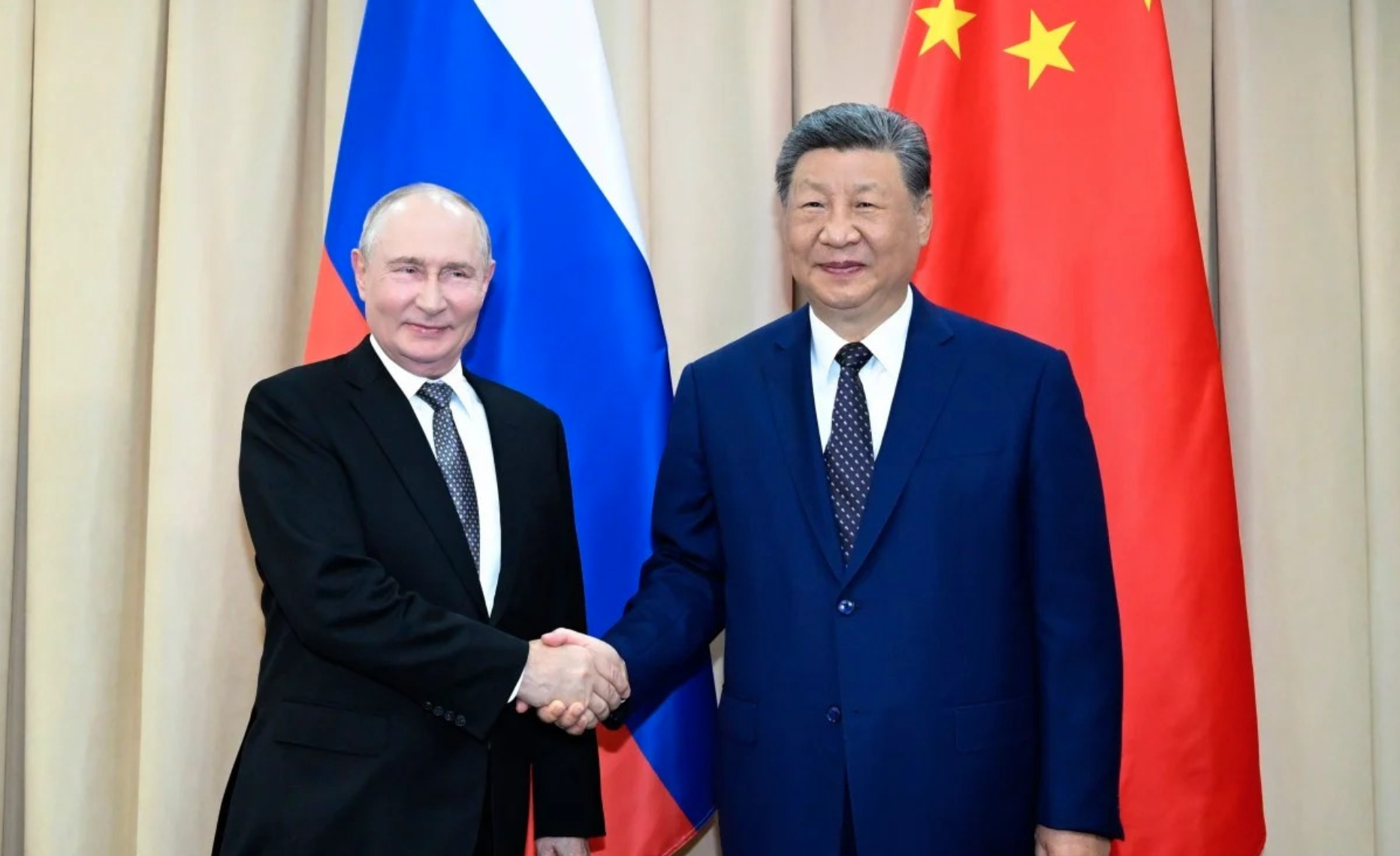
Russia-China ties have come a long way from the tensions of the Cold War. Since Russia’s relationship with the West began deteriorating in 2008, China has emerged as a counterweight, with growing economic and cultural ties. In 2026, 83% of Russians viewed China favourably, while bilateral trade grew 22%. This relationship seems rock-solid, and even a thaw with the West is unlikely to alter its course.

WSJ Courtesy: The Wall Street Journal
9 July 2026

Putin pushes for technological sovereignty

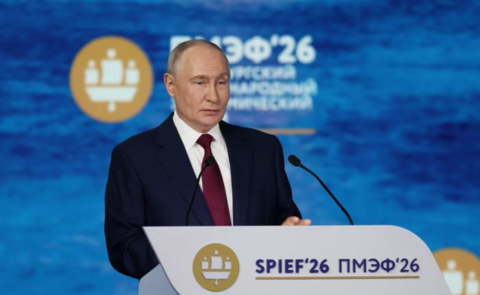
The 29th St. Petersburg International Economic Forum highlighted Russia’s push for technological sovereignty. President Vladimir Putin argued that Russia and the Global South must avoid being held hostage to the West. Since the Russia-Ukraine war began in 2022, sweeping sanctions have accelerated Russia’s efforts to build domestic digital infrastructure, strengthen AI capabilities, and deepen technological cooperation with partners such as India.

Website articles  (5) Courtesy: Körber-Stiftung
6 July 2026

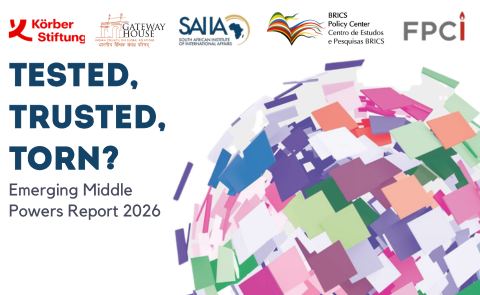
Tested, Trusted, Torn? Emerging Middle Powers Report 2026

The third Emerging Middle Powers Report reveals interesting trends. In every recent year, the five countries surveyed – India, Germany, South Africa, Brazil, and Indonesia – have been tested by events to prove they can prevail over the contested terrain of global politics. A pattern has emerged linking them together: non-alignment is their preferred response to a fragmenting order.

Buddhist monks and devotees praying to the holy Piprahwa relics in Room 8, Buddhist section, National Museum (New Delhi) Courtesy: Sifra Lentin
11 June 2026

Book Review: The Buddha at Piprahwa

The holy relics of Buddha Shakyamuni, part of the relics originally excavated in 1898 from the Piprahwa Stupa in the Terai region of northern Uttar Pradesh, were repatriated to India in 2025 after 127 years. Marg magazine’s volume 77 (2) is a deep dive into the history, Buddhist cultural landscape, colonial archaeology and museology, and Buddhism’s veneration of these relics.

Website articles  (79) Courtesy: @DrJaishankar/X
23 April 2026

Korea re-engages India

South Korea and India have much in common – both are Indo-Pacific players, oil importers and business-oriented economies. Yet, despite the ubiquitious and successful presence of Korean companies in India’s markets, the political relationship has been weak, and underperformed. The recent state visit by South Korean President Lee Jae-myung to India along with a slew of economic and strategic agreements signed, is an effort to recalibrate the relationship.

20260415_1714_Minimalist Iran Conflict Illustration_remix_01kp8f9nksftqrj3zntfnpktpe Courtesy: Gateway House
15 April 2026

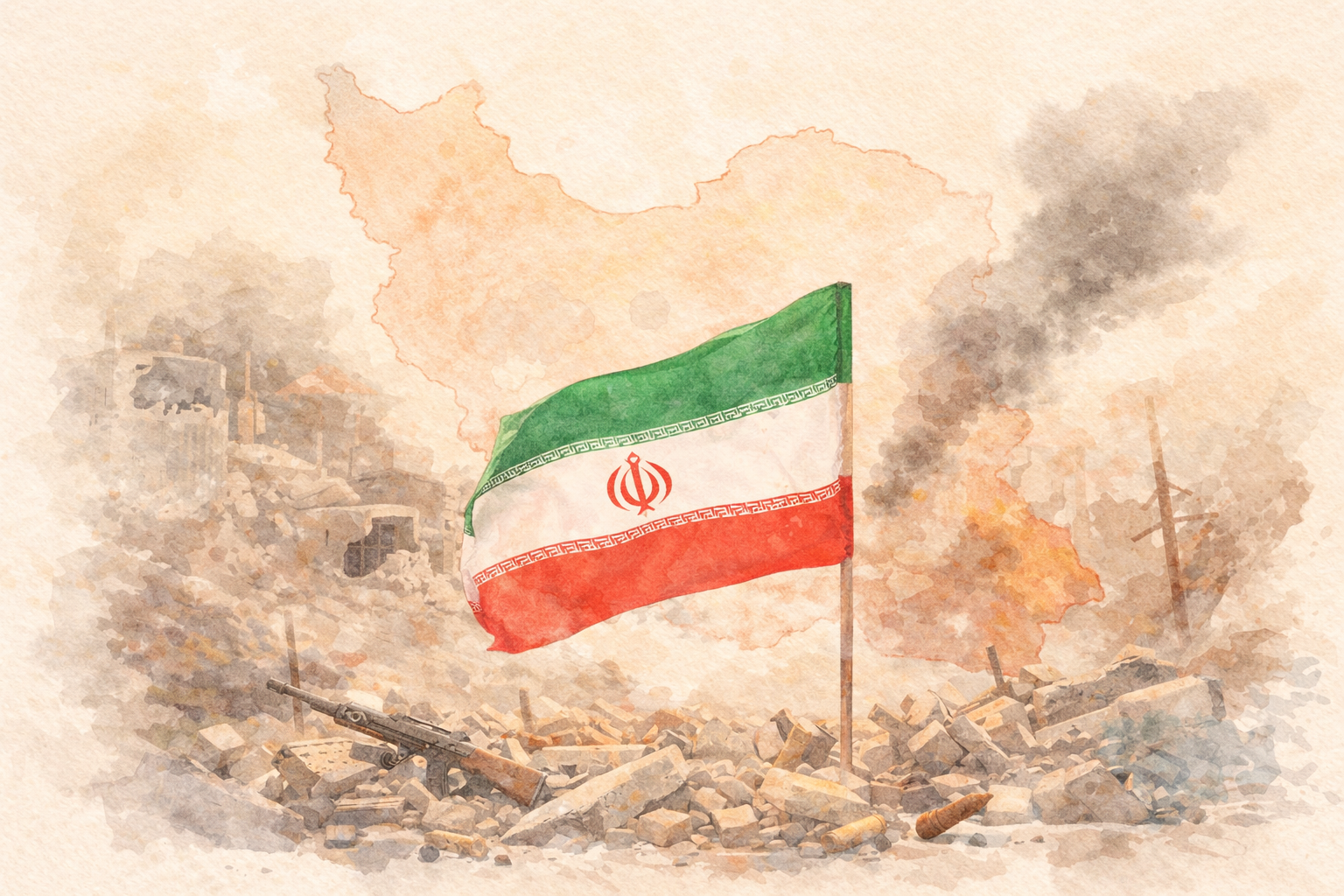
How did Iran fight this war?

The West Asian conflict is raising questions about Iran’s performance. Tehran appeared well-prepared, having expanded its low-cost drone and missile capabilities. It also widened the conflict by targeting U.S. bases in the Gulf. The key lesson is that eliminating leadership does not guarantee regime change. The conflict underscores that modern warfare depends not just on battlefield gains, but also on economic resilience, trade leverage, and technological strength.

Website articles  (74) Courtesy: Presidential Communications Office
9 April 2026

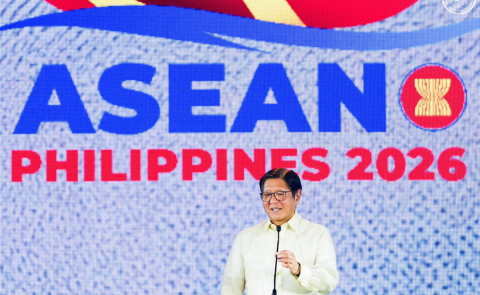
ASEAN challenged by the Iran crisis

The West Asia conflict has disrupted global stability, impacting ASEAN economies and diplomacy. As chair, the Philippines balances its alliance with the U.S. and regional neutrality, while Indonesia and Malaysia reflect domestic support for Arab states. With energy shocks, remittance risks, and inflation rising, ASEAN’s limited influence is evident. Has ASEAN once again been drawn into a vortex of crises beyond its control?

Website articles  (68) Courtesy: AFP
2 April 2026

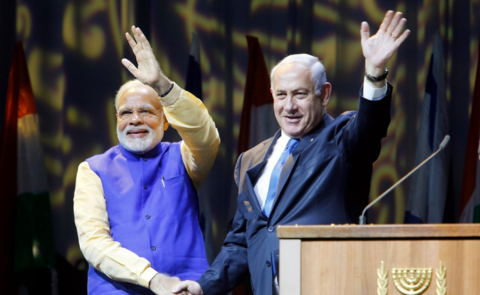
Modi’s Israel visit brings defence and tech

It is important to take an objective review of PM Modi’s visit to Jerusalem and its implications for India’s security. New Delhi will have to demonstrate its strategic autonomy by managing heterogeneous and often contrapuntal relationships and strike a balance in its ties with the U.S. and Israel on the one hand and Iran and the Arab world on the other hand.

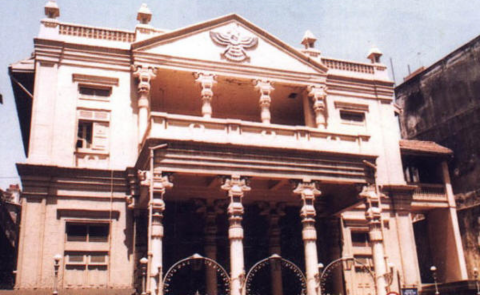
Anjuman Atash Bahram, Mumbai, with the winged Farohar symbol at the top. Courtesy: Heritage Institute
2 April 2026

The Persian-Parsi identity

Persia and India’s impact on each other go back to antiquity, but the extent of the Persian influence on the Parsi identity is more difficult to quantify. Despite their deep cultural connection, Parsis do not identify with Iran as the mother country. Reza Shah Pahlavi, impressed with their achievements in India, wanted them to return to Iran, but they could not be enticed to leave India.