Japan Ministry of Defense Courtesy: Japan Ministry of Defense
13 August 2026

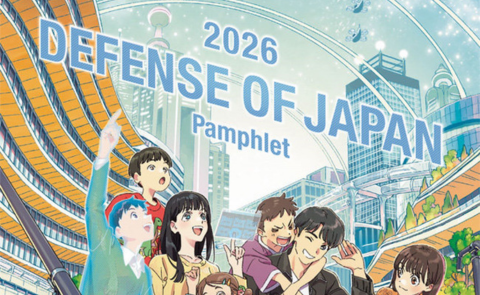
Japan’s 2026 Defence White Paper

Japan’s recently-released defence white paper marks a significant turn in intent and policy. The country’s long focus on economic security is now blended with its defence capacity, bringing together foreign policy, intelligence, and economic, technological and industrial capacities into a “comprehensive architecture for national defence.” This is a new conception of national security in Japan.

Naruto x Krishna Courtesy: Jazyl Homavazir
13 August 2026

Architecting India’s anime and manga ecosystem

The popular Japanese art of manga has a vibrant subculture in India. India’s is no longer just an emerging demographic for this art. With an estimated 118 million active viewers across platforms, it is now the second-largest anime viewership market globally, trailing only behind China. What it lacks is original production frameworks to become a genuine and lucrative IP generator.

Website articles  (11) Courtesy: ASEAN
30 July 2026

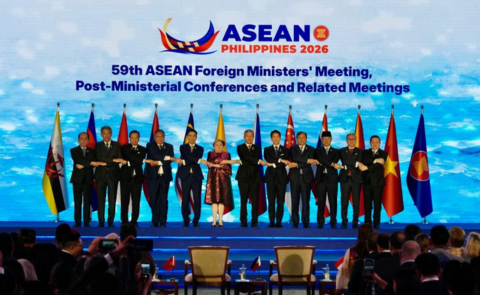
ASEAN centrality on display in Manila

The Manila meetings of ASEAN, held amid continuing crises in Ukraine and West Asia, have demonstrated that ASEAN centrality has not gone out of fashion. Neither the U.S. nor China, despite scepticism about ASEAN's effectiveness, wishes ASEAN institutions to disappear. India, Russia, Japan, Australia, the EU and the UK likewise continue to use these meetings as valuable platforms for Indo-Pacific engagement.

outlook business Courtesy: Outlook Business
9 July 2026

India-Japan Economic Security Pillar

The legacy of the Modi-Takaichi Summit will extend well beyond the bilateral. It demonstrates that middle powers, through responsible and sustained action, are capable of shaping the future of the Indo-Pacific through strategic intent and the resilient economic networks that back it up to promote regional stability. For India and Japan, economic security is the foundation upon which the next generation of the bilateral will be built.

Website articles  - 2026-05-28T124708.235 Courtesy: Global Times
28 May 2026

The Quad, reset

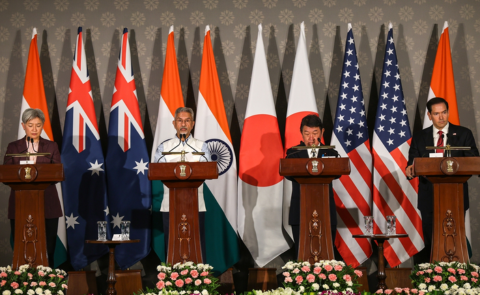
The Quad Foreign Ministers’ Meeting, held in New Delhi on May 26, highlighted both the progress and uncertainties surrounding the grouping. Significantly, it reaffirmed U.S. engagement. While the Quad has expanded its agenda and provided some concrete outcomes, the all-important Leaders’ Summit is still not visible – a worry for India’s prolonged chairship since 2024.

Website articles  (56) Courtesy: Gateway House
19 March 2026

BRICS CBDCs can lead to financial multipolarity

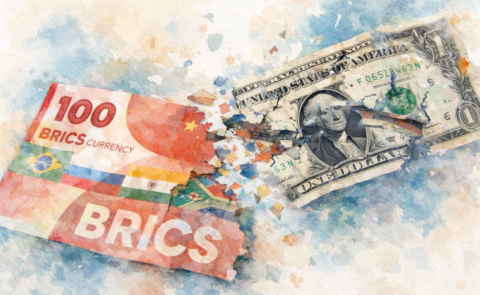
India’s proposal to link the digital currencies of the BRICS nations could alter how emerging economies settle trade deals. It is necessary to examine the reasoning behind such a move, its effort to reducing dollar dependence, and the benefits that accrue to India.

Website articles  (44) Courtesy: Indian Navy
26 February 2026

Indian Navy advances ambitions, enhances diplomacy

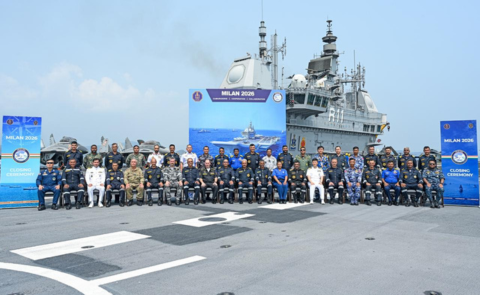
Over the last two decades, the Indian Navy has taken a quantum leap in modernising its fleet with stealth frigates, warships, submarines, and fighter planes. Its goal is to be the net security provider and first responder securing Sea Lines of Communication in the region. But it is still lagging behind its Indo-pacific naval partners and most important, its regional rival, China.

Website articles  (48) Courtesy: Bayerischer Rundfunk
25 February 2026

Munich diary: Europe at the crossroads

During the week of the Munich Security Conference, Munich transformed into a temporary capital of global diplomacy. Gateway House participated and hosted a Side Event, “Multipolarity without Multilateralism: India, Europe and the Future of Global Order” on February 14. This diary captures observations from the conference and the city, reflecting on Europe’s evolving priorities and how the continent assesses its role in an increasingly fragmented world.

the influence of phil in the UN  (1) Courtesy: Debarpan Das
5 February 2026

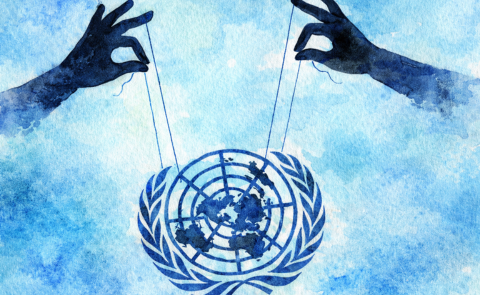
Influence of philanthropies in the UN

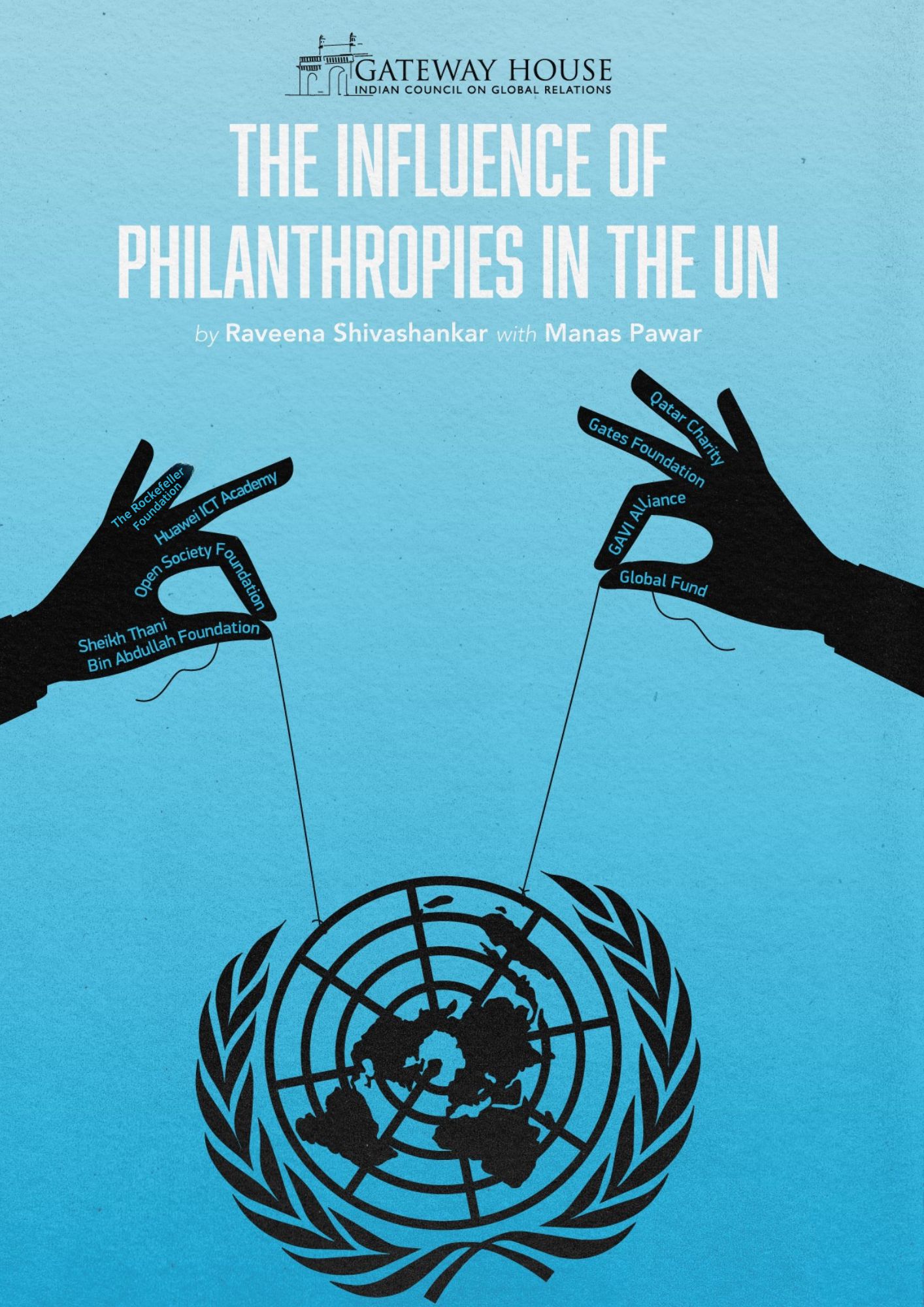
Over the last few decades, countries have stopped, delayed, or withheld their UN dues. The UN’s increasing financial needs have led to the acceptance of “voluntary” contributions. Those which come from any entities or individuals and are now its largest income stream. The biggest of these donors are the global philanthropies, which often have differing agendas from the UN’s responsibilities. This report studies these contributions and examines the linkages between donor priorities and UN mandates.

2 (6) Courtesy: Gateway House
5 February 2026

Influence of philanthropies in the UN

On January 7, 2026, the U.S. government announced its withdrawal from 31 UN organisations. This is a shock to the UN system. Several other countries have halted or only partially paid their dues over the years, creating a major funding gap. To cover for it, the UN has turned to “voluntary contributions” which come from philanthropic and private actors. Their misaligned mandates are distorting UN priorities.