India-Bangladesh Courtesy: PTI
20 August 2026

Pragmatising India-Bangladesh ties

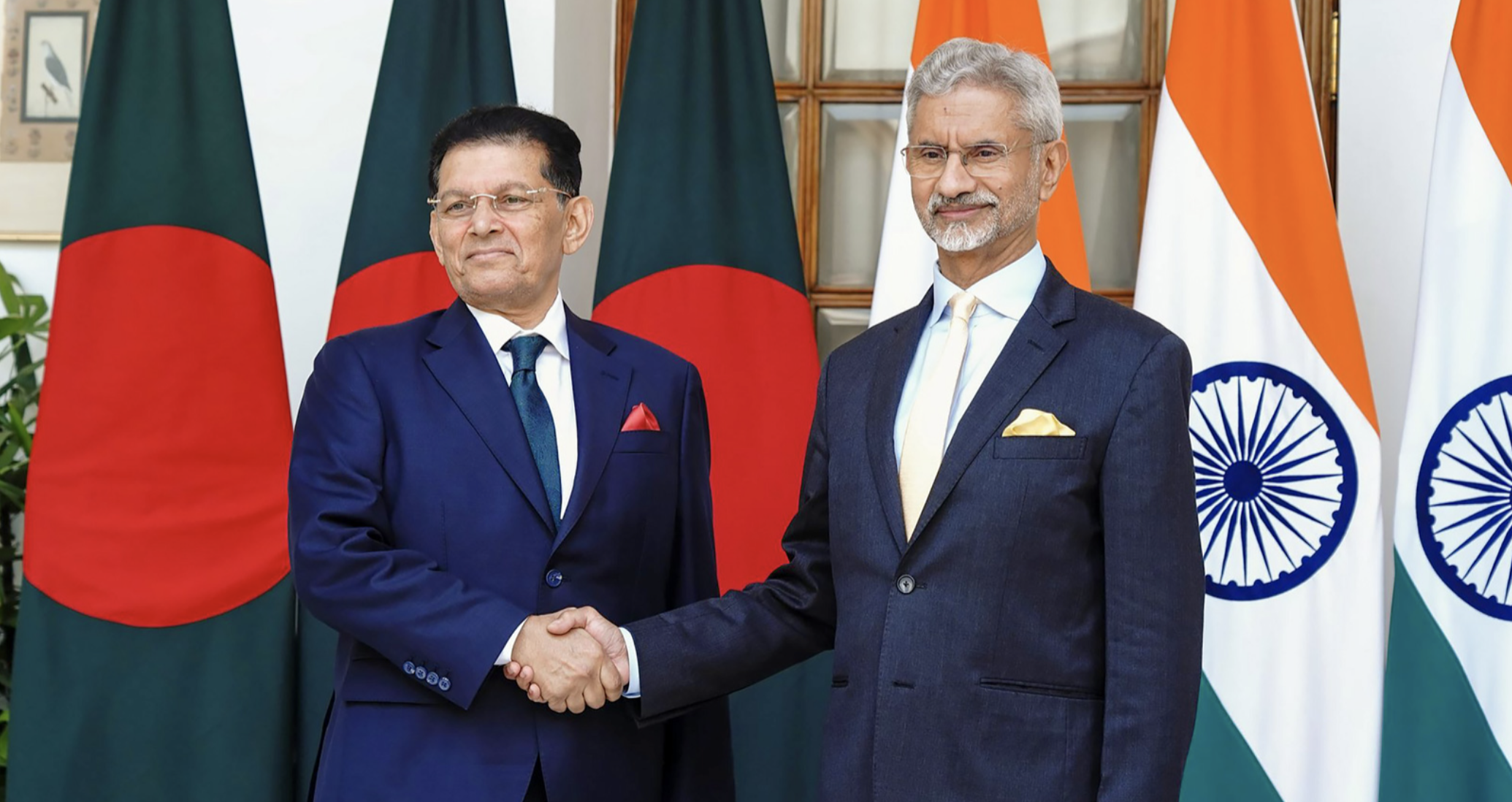
Just four months ago, India and Bangladesh seemed determined to move beyond the difficulties faced during the two-year transition of Mohammad Yunus. But former PM Sheikh Hasina’s audio address to her constituents via Delhi changed the mood. Can the realists and pragmatists in Delhi and Dhaka rebuild and strengthen a coalition of mutual interests?

Japan Ministry of Defense Courtesy: Japan Ministry of Defense
13 August 2026

Japan’s 2026 Defence White Paper

Japan’s recently-released defence white paper marks a significant turn in intent and policy. The country’s long focus on economic security is now blended with its defence capacity, bringing together foreign policy, intelligence, and economic, technological and industrial capacities into a “comprehensive architecture for national defence.” This is a new conception of national security in Japan.

Twitter_@DrSJaishankar Courtesy: Twitter/@DrSJaishankar
12 August 2026

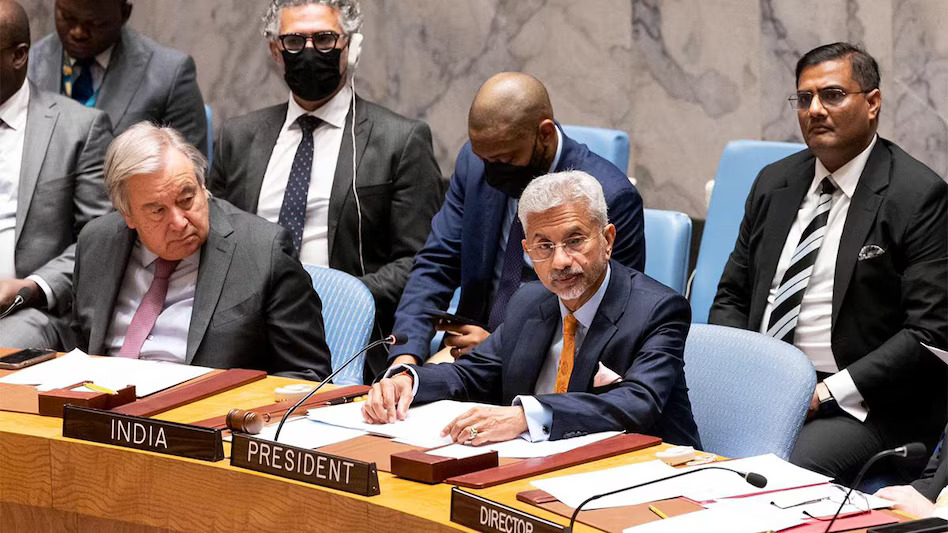
India bids for UNSC

India has officially launched its campaign for a non-permanent seat on the UNSC for 2028-29. This will be India’s ninth time on the UNSC. The election is strict and process-driven. The campaign has been launched well in time to ensure election with the highest possible number of votes to signal global acceptance of India, now the world’s most populous country, as a permanent member of the UNSC.

UNSC Elections Courtesy: Manuel Elías
6 August 2026

The UN changes guard

The process of choosing a new Secretary General of the UN, to assume office on January 1, 2027, has begun. The UN Security Council is central to this and has just held its first straw poll on the seven candidates in the fray. Three have done well – all from countries with positive ties to the current U.S. administration. India must keep a close eye on the developments.

Canadian Prime Minister, Mark Carney, with Indian Prime Minister, Narendra Modi Courtesy: PTI
6 August 2026

India-Canada on a positive reset

There is a positive reset in India-Canada relations, and this is being strengthened through cooperation in security, trade and education ties. Both countries believe in the strategic value of the Indo-Pacific, and both have been at the receiving end of rough geopolitical treatment by the U.S. They see their salvation in putting the past behind them and deepening bilateral relations.

AFP Courtesy: AFP
4 June 2026

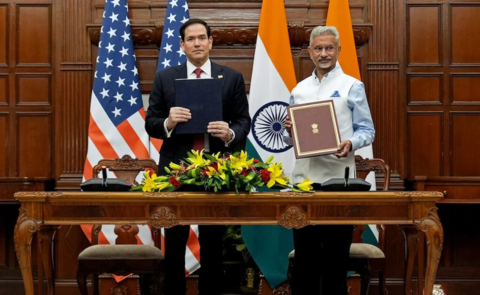
Two significant critical minerals deals

India signed on to two deals on critical minerals in May: one was the launch of the Quad Critical Minerals Initiative and the other a new bilateral India–U.S. framework on critical minerals. Both highlight the deep concerns over China’s dominance of global supply chains. For India, specifically, these initiatives will advance its ambitions in green energy. Collectively, the QUAD members have differing priorities. Can those be sustained long-term, for success?

00_fa_mj2020_cover Courtesy: Foreign Affairs
27 April 2020

China’s Coming Upheaval

The U.S.-China relationship, which has wavered between cooperation and competition, has, over the past few years, veered more sharply towards confrontation – possibly because of China’s own more assertive stance. Now, Beijing’s confidence is under test, not only by these fractious relations, but also COVID-19 and an economic slowdown. Will these factors reveal its weaknesses?

Capture d’écran 2020-02-04 à 16.00.17 Courtesy: Foreign Affairs
4 February 2020

The Unwanted Wars

Countries in the Middle East, such as Iran, Israel or Saudi Arabia, do not want a military confrontation. Yet, current circumstances conduce to the breaking out of just such a war

jf19_cover_large2 Courtesy: Foreign Affairs
13 February 2019

The Stealth Superpower

Although China does not want to usurp the United States’ position as the leader of a global order, its actual aim is nearly as consequential. As one Chinese official put it, “Being a great power means you get to do what you want, and no one can say anything about it.” In other words, China is trying to displace, rather than replace, the United States.

nd18_cover_large Courtesy: Foreign Affairs
3 December 2018

Beijing’s Nuclear Option

Experts estimate the likelihood of a U.S.-Chinese nuclear crisis as “somewhere between nil and zero.” This assurance is misguided. The United States' signature approach to conventional warfare would be a potential recipe for nuclear escalation.