G20.Org Courtesy: G20.org
28 August 2025

Appraising Brazil’s G20 Presidency

The G20’s current cycle is unique, with four Global South nations presiding consecutively: Indonesia, India, Brazil, and now South Africa. Brazil’s 2023-24 presidency exhibited both achievements and struggles, prioritising social inclusion, hunger, energy transition, and governance reform. The handover to South Africa marks a significant milestone in G20 history. Will the momentum be followed by the U.S., the next G20 president but also a G20 sceptic?

PM 5 nation visit (1) Courtesy: Gateway House
7 August 2025

India becomes strategic with Latin America

India’s engagement with Latin America is gaining momentum, marked by PM Modi’s recent visits to Brazil, Argentina, and Trinidad & Tobago. Amid rising Chinese influence, sustained political engagement and targeted investments are key to unlocking Latin America’s potential for India’s benefit. India needs a multifaceted strategy that blends economic engagement with public diplomacy and more official visits at higher political levels.

Global South World Courtesy: Global South World
17 July 2025

Argentina-India grow the strategic partnership

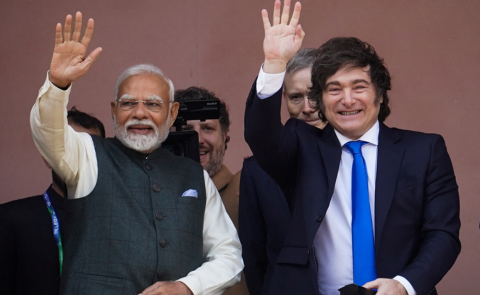
Prime Minister Modi’s visit to Argentina is a boost to the growing bilateral. Modi and Argentinian President Javier Milei are committed to their countries’ economic and political advancement, and see trade with each other as key. Argentina being in the lithium triangle gives India access to critical minerals.

PM 5 nation visit Courtesy: X / PMOIndia
14 July 2025

PM Modi’s five-nation tour

PM Modi's five-nation tour highlights that despite geopolitical conflicts, New Delhi remains confident in its ability to balance relationships with the North and South.

Modi In G20 Courtesy: Narendra Modi/Facebook
25 August 2022

Geopolitics, G20 and India’s Choices

India will be president of the G20 in 2023. The world’s most influential economic governance body is facing an existential crisis, where the major powers have fallen out. With geopolitical currents redefining geo-economics, India needs to be ready to emerge as the chief global diplomat.

G7GS Courtesy: telegraphindia.com
13 July 2022

The G7 woos the global south

The G7 has reached out to emerging economies which have, of late, been facing challenges on the economic front, brought on by the lingering pandemic and the mismanagement of the Ukraine crisis. They are also seeking, from the global south, a broader acceptance of their world view. Will it be forthcoming?

G7s1 Courtesy: The Print
4 July 2022

What did the G7 achieve?

The shadow of the Ukrainian war was visible at the G7 summit. Anti-Russian formations were expected, but the extensive reference to China drew attention. The leaders did their part by extensively discussing challenges relating to climate, energy, environment, health, and food security. It is now for the G7 governments to deliver, to be taken seriously.

2-8-18 CableMap-02 - Copy Courtesy: Gateway House
2 August 2018

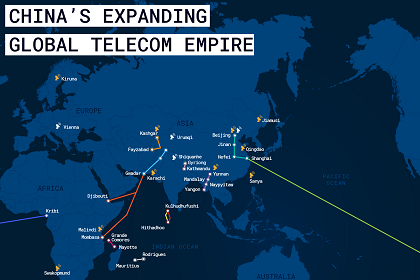
Version 2: Mapping China’s global telecom empire

This version of the Gateway House Map on China’s Expanding Global Telecom Empire identifies some more telecommunication assets -- optic-fibre and satellite ground stations -- that Beijing is working on in South and Central America, Africa, Myanmar, the Indian Ocean Region and mainland China besides the existing ones, such as the Pakistan East Africa Cable Express (PEACE). It shows the direction China’s investment is taking, its diplomatic overtures and the larger geopolitical implications of its growing telecom empire

Argentina Courtesy: Pixabay
10 August 2017

Argentina: in the ascendant

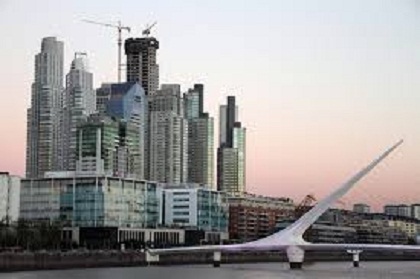
Once a laggard, Argentina is now a rising star in South America. Its economy is recovering, GDP growth is stable and financial reforms have taken hold. In 2018, it will host the presidency of the G20, its first step onto the global stage after over a decade in isolation. With Argentina’s G20 agenda fully aligned with India’s priorities, how can India gain?

LatinAmerica Courtesy: Wikipedia
8 February 2016

Latin America’s right angle?

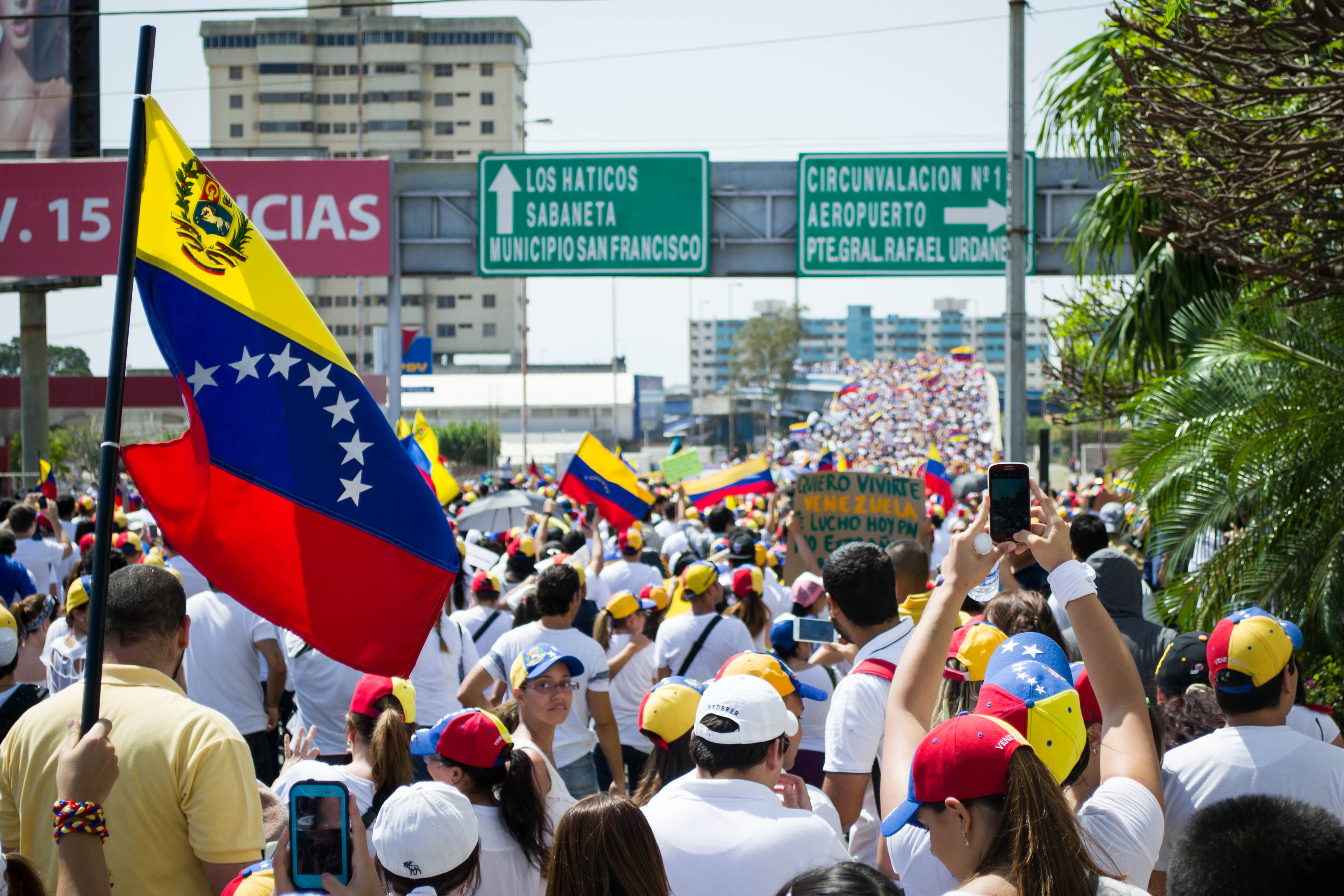
Despite major political change in Brazil, Argentina, and Venezuela due to global economic tumult, it may be premature to speak of a rightward shift in Latin American politics. Yet, developments in these democracies need to be monitored carefully as India has a stake in their political stability.