Reuters Courtesy: Reuters
13 October 2026

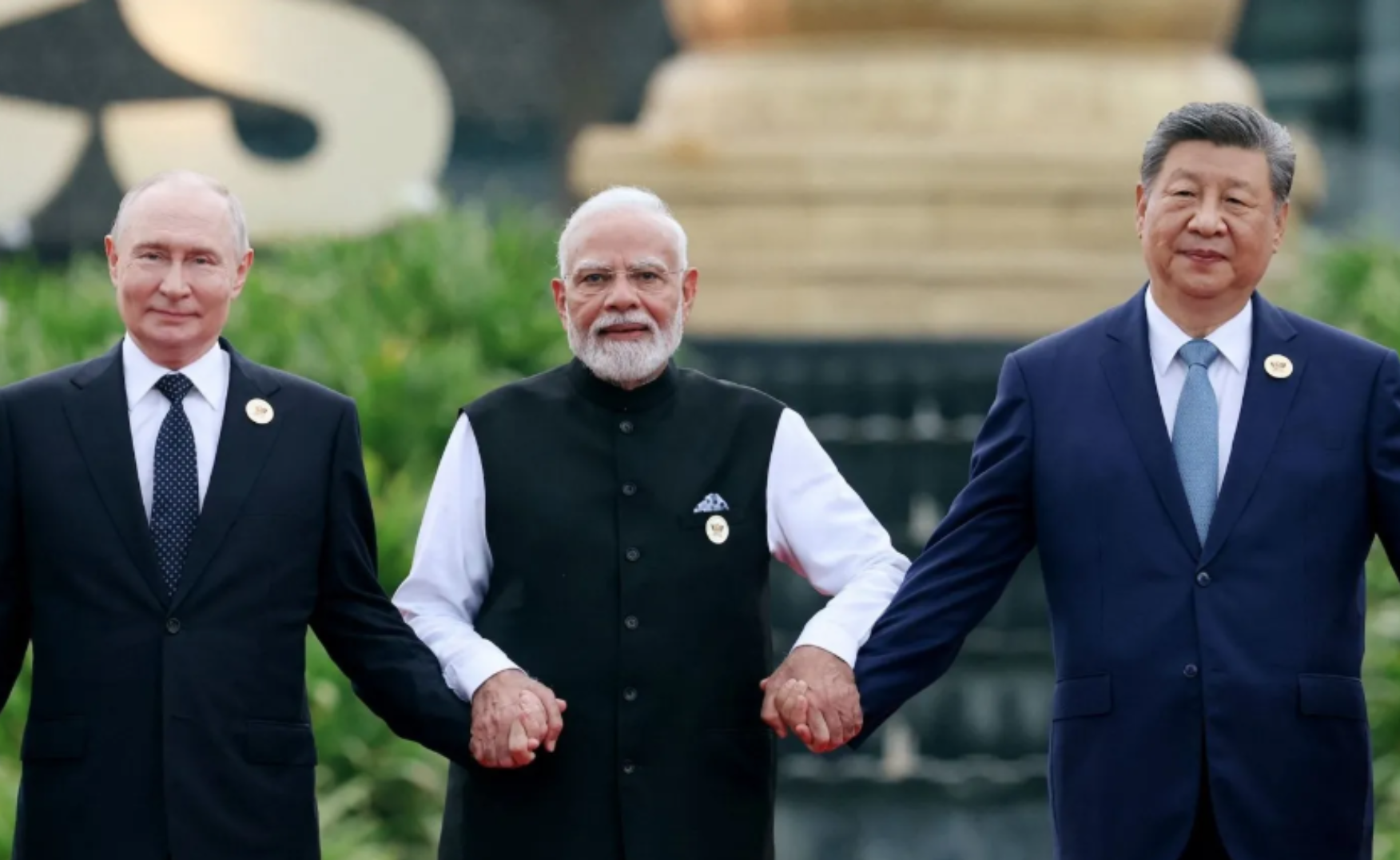
Multiple dimensions of BRICS’ Delhi Summit

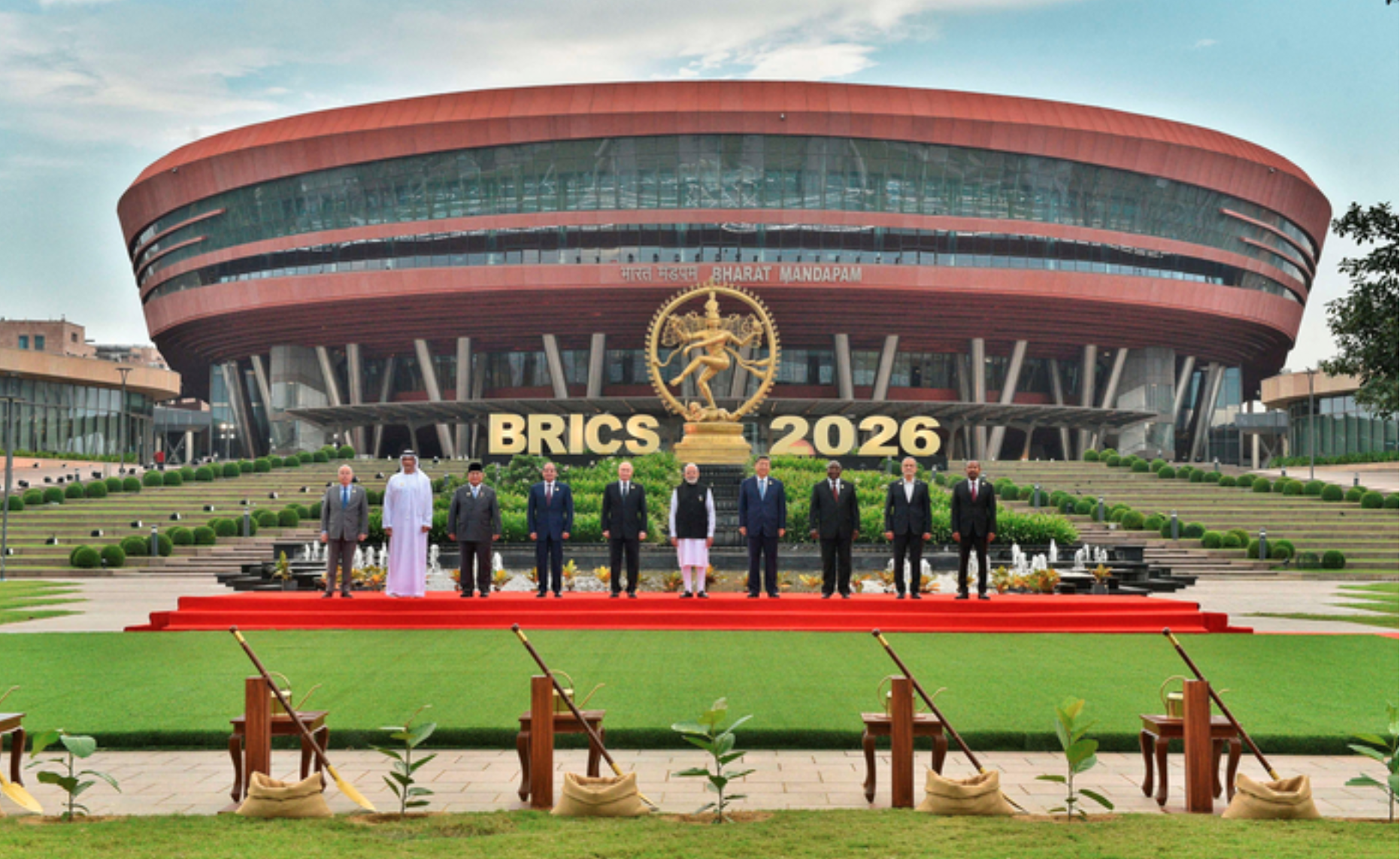
 The BRICS Summit in Delhi carried over the issues from the previous years. But it was particularly important because it also hosted the India-China leaders’ bilateral, and it was preceded by the visit of Chinese President Xi to the U.S. The optics of the 2026 Summit will have been keenly watched in Washington for its effect on U.S.-China relations.

Xi-Trump Courtesy:
8 October 2026

A tired U.S.-China tango

Chinese President Xi Jinping’s September state visit to the U.S. produced no joint statement, indicating major differences, although both countries agreed Iran should not develop nuclear weapons and no country should collect tolls in the Strait of Hormuz. Tariffs on China remained unresolved. There was a staleness to the visit, with both countries’ leaders focused on the past. The visit appears to favour China, denoting its growing stature.

BRICS 2026 Summit Courtesy: Reuters / Yonhap News Agency
17 September 2026

BRICS after the New Delhi Summit

The recent BRICS Summit in New Delhi was declared a success. Its 140-paragraph New Delhi Declaration is the longest yet. With members divided over the Russia-Ukraine and West Asia wars, leaders avoided naming countries or taking positions, focusing on issues affecting the Global South and deepening intra-BRICS cooperation. India steered the grouping towards practical cooperation. The question now is: how will BRICS implement the decisions taken?

Indian Navy Website Courtesy: Indian Navy Website
3 September 2026

Modernising the India-Sri Lanka FTA

The India–Sri Lanka Free Trade Agreement (ISFTA), implemented in 2000, has significantly expanded India–Sri Lanka trade, investment and tourism. But it now needs to be deepened beyond goods to make the most of the modern, supply-chain-driven global economy. Any ISFTA 2.0 should update rules of origin, liberalise services, digitise customs, strengthen investment protections and deepen connectivity to help Sri Lanka integrate into India-centred supply chains.

AI generated Economic Times Courtesy: The Economic Times
2 September 2026

China and Economic D-Day vs. Iran

“Economic D-Day”, recently announced by the U.S. Trump administration, will put additional sanctions on any party which facilitates any activity with Iran. India, Iraq, Turkey, and the UAE could be affected. But ironically China, the biggest supporter of Iran’s regime, may be off the hook given the deep mutual over-reliance with the U.S. and the risk that further sanctions on China could put the global financial system in jeopardy.

X / @MEAIndia Courtesy: X / @MEAIndia
31 August 2026

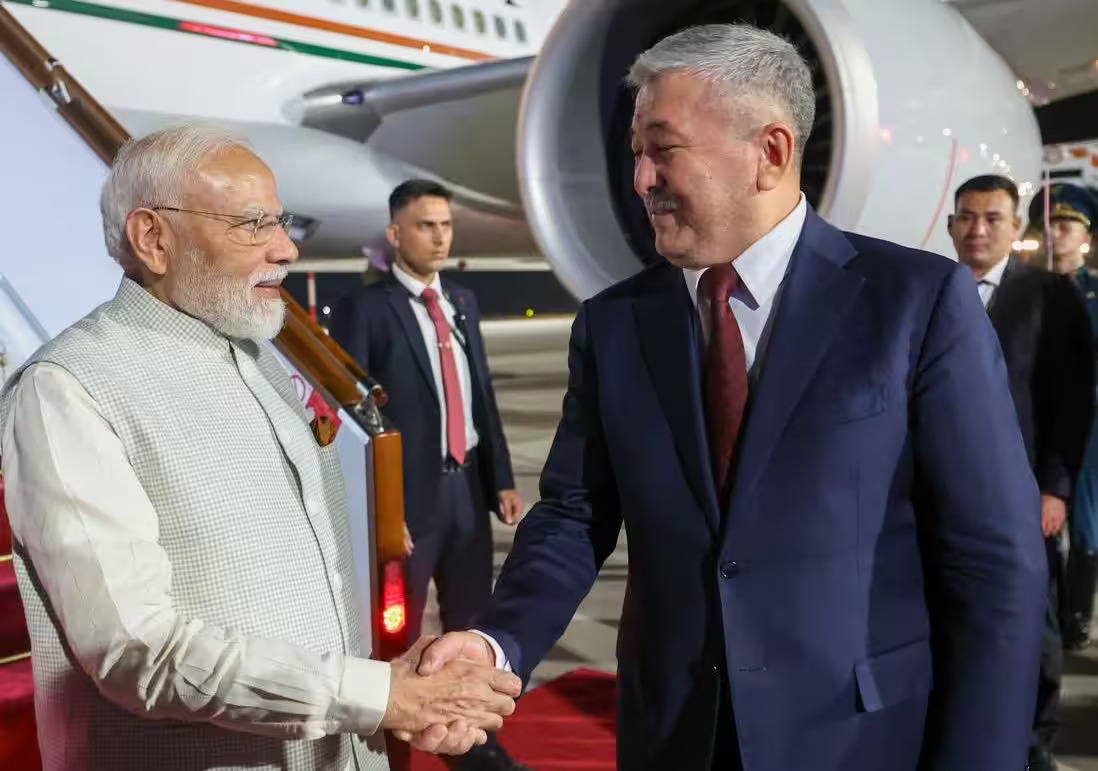
SCO summit in Bishkek

As 25 years of the Shanghai Cooperation Organization (SCO) culminate in Bishkek, India waits intently, assessing the SCO's development. With PM Modi representing India from August 31–September 1, 2026, having previously chaired the SCO Council of Heads of Government in 2020, the forthcoming summit should provide an opportunity for the Indian delegation to take stock of the current status of previous initiatives and their advancements.

Website articles  (1) Courtesy: Gateway House
18 June 2026

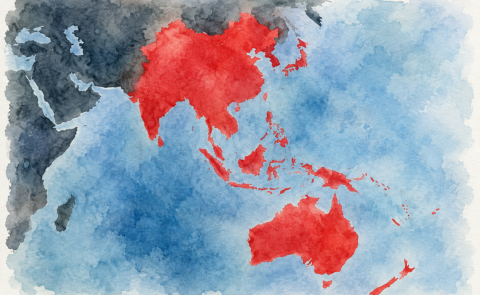
The relevance of the Indo-Pacific

After eight years of its nomenclature, on 16th June the U.S. Pacific Command dropped the 'Indo' from its military command title. It reflects clearly that the U.S. does not consider the Indo-Pacific region to be the most consequential theatre of geopolitics today. Yet its significance as the platform on which great-power contestation in political, military, technological, and economic domains will play out cannot be overstated.

Kenny Holston  AP (2) Courtesy: x/@MEAIndia
11 June 2026

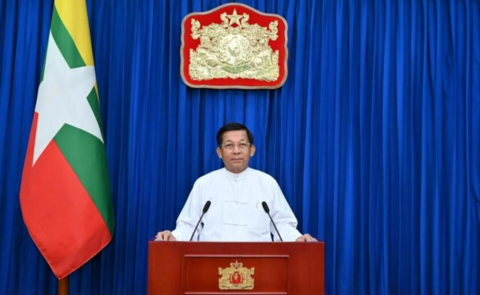
Myanmar president’s visit: realities and gaps

The recent visit of Myanmar President Min Aung Hlaing to India has re-engaged the two neighbours politically after a six-year gap. Critics and pragmatists had much to say, but the outcome spoke for itself: constructive border management, defence agreements and economic cooperation. And a reminder that India has not forgotten about Daw Aung San Suu Kyi, the democracy icon.

Rajiv Bhatia with Aung San Suu Kyi Naypyidaw in 2013 Courtesy: Rajiv Bhatia
14 May 2026

Leaves from my Myanmar diary

Myanmar’s latest political transition offers the illusion of closure, but little clarity. After years of conflict triggered by the 2021 coup, a new administration under Min Aung Hlaing takes charge amid continuing resistance and fragmentation. Is this consolidation or another phase of instability? Reflecting on this question, Ambassador Rajiv Bhatia draws upon his three-decade-long association with Myanmar, including serving as India’s Ambassador from 2002 to 2005.

Website articles  (66) Courtesy: Reuters
16 April 2026

Myanmar’s second shot at limited democracy

A new government will be sworn into office in Myanmar in April to run a ‘hybrid democracy’ in which military and civilian representatives will share power. It is Myanmar’s second experiment with this system. The West is rethinking its positioning on Myanmar and now seeking ‘calibrated engagement.’ India, too, should reassess its two-track diplomacy and develop a nuanced policy and an early outreach to the new leaders.