shutterstock_44385856 Courtesy: Shutterstock
2 January 2020

India’s diplomatic agenda in 2020

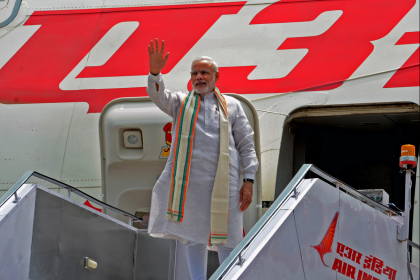
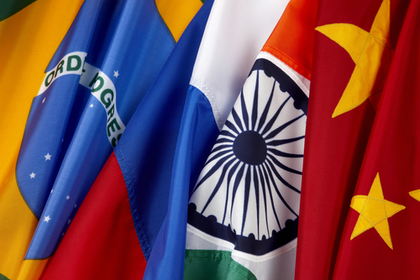
India will host four prestigious international conferences, such as the India-Africa Forum Summit and the subsidiary SCO Summit in the course of the next three years. These are historic opportunities for the country to show global leadership and fulfil a diplomatic agenda that involves handling strategic competition and advancing partnerships
359864_3622116_akhbar Courtesy: thenews.com.pk
7 March 2019

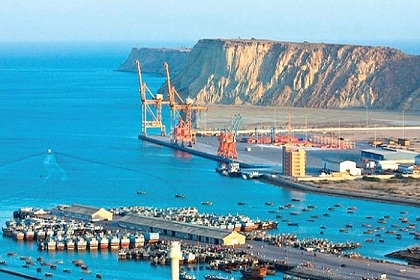
Gwadar 2.0: Pakistan’s Saudi vs. China play

Pakistan’s aspirations for oil and gas prospecting off its Makran coast, south-western Balochistan, are diverging from those of China, which has had a nearly two-decade long presence in Gwadar as an infrastructure provider. To turn Gwadar into the petrochemical hub it desires, Pakistan has sought out other benefactors, changing geopolitical equations in the region

04 Courtesy: Sameer Patil & Shah Maieen
8 February 2018

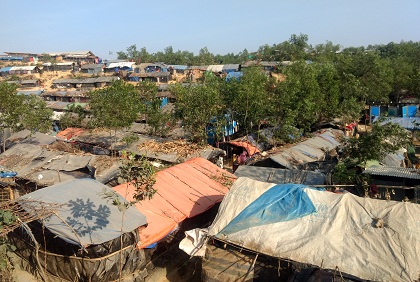
The Rohingyas and India’s difficult choices

A recent trip to Cox’s Bazar showed that despite numerous health, social and security challenges, the Rohingya refugees are reluctant to return to Myanmar. India will have to walk a tightrope, keeping in mind humanitarian, security, and geopolitical priorities

indias-global-energy-footprint Courtesy: Gateway House
14 February 2017

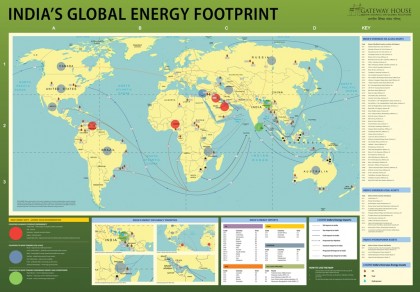
India’s global energy footprint

Trends in technology, geopolitics and geoeconomics have dramatically transformed the global energy scenario in the last two years. This means favourable conditions for import-dependent India, which must use the opportunities available to reduce its vulnerability to high energy prices. The jump in oil prices past the $60 mark suggests that India must act with alacrity. India’s Energy Footprint Map offers a profile of India’s global trade and investment in energy, and indicates what India can do to access cheap and reliable supplies

28455374735_17cf79553a_b Courtesy: Flickr
31 January 2017

Saudi prince: not quite a game changer?

Prince Salman’s accession to the throne after the death of Saudi King Abdullah on 23 January 2015 has been a game changer, both domestically and in West Asian politics. Within days, he sidelined rivals within the House of Saud, and took on Iran with a confrontational policy. But two years later, the results of his new strategy disappoint

Air_strike_in_Sana'a_11-5-2015 Courtesy: Wikipedia
24 December 2015

Coalition of the unwilling

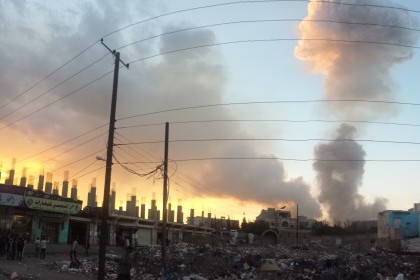
On 14 December, Saudi Arabia announced the formation of an anti-terrorism coalition of 34 Islamic countries. But with key potential partners such as Algeria, Lebanon, and Pakistan refusing to join, the hastily-assembled group has put Saudi credibility in the spotlight instead of deflecting western criticism of the kingdom’s inaction against Sunni jihadism

IS Courtesy: U.S. Staff Sergeant Aaron Allmon
16 September 2014

Modi, Obama and the Islamic State

Obama’s strategy to target the IS in Syria within the framework of a U.S.-led international coalition has met with a tepid response. There are reports that the U.S may offer India a non-NATO ally status during Modi’s upcoming visit in a bid to seek greater support – a gesture that India will do well to disregard.