Regional impact of U.S.-Taliban deal
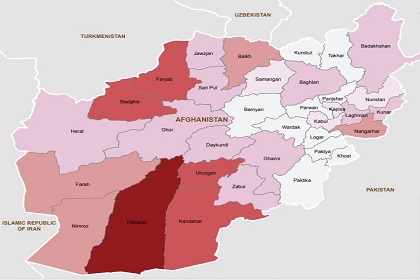
The U.S.-Taliban deal of 29 Feb favours some and disadvantages others in the region. This infographic shows how regional geopolitics will change
Courtesy: Shutterstock
The U.S.-Taliban deal of 29 Feb favours some and disadvantages others in the region. This infographic shows how regional geopolitics will change
Courtesy: Shutterstock
President Trump enjoyed every moment of the hype that attended his February 2020 visit to India, says Ambassador Neelam Deo, Director and Co-founder of Gateway House, in this podcast, even as the focus was on concrete outcomes, such as defence purchases and oil procurement deals. She discusses the geopolitical implications of a closer India-U.S. strategic relationship and the weaknesses of the U.S.-Taliban peace deal
Courtesy: Shutterstock
The upcoming Financial Action Task Force (FATF) plenary session 16-21 February will be crucial for both Pakistan and Iran as the anti-money laundering and anti-terrorist financing measures undertaken by the two countries will be reviewed by the 39 member states of the FATF. Decisions will be taken on their retention or removal from the grey list and black list respectively
Courtesy: ibctrain.com
The main objective of the Shanghai Cooperation Organisation’s (SCO) Energy Club, when Russia formed it, was to market its member states’ substantial oil and natural gas reserves. This map shows some of the important natural gas pipelines, originating from Russia and its neighbouring countries that are not members of the SCO. What can India do to secure supplies from these abundant but currently inaccessible natural gas reserves?
Courtesy: Gateway House
China’s ostensible intentions are to turn Gwadar port into a focal point of the China Pakistan Economic Corridor. But the geography of the region is a major stumbling block in the realisation of these ambitions and raises questions about the project’s underlying motives
Courtesy: The Tribune
Since 2017, the Punjab government has been cracking down on drug networks. The campaign has so far targeted small-time drug peddlers, but deep smuggling networks that cross international as well as state borders remain intact, posing a major national security threat
Courtesy: to put
A conference in Doha on ‘Enriching the Middle East’s Economic Future’ offered many insights into the nature of geopolitical relations in the region and India’s significant role in it
Courtesy: Western Naval Command
China has expanded its presence in the Indian Ocean Region. President Xi Jinping has abandoned Deng Xiaoping’s conciliatory posture for an aggressive, money-fuelled search for super power status
Trends in technology, geopolitics and geoeconomics have dramatically transformed the global energy scenario in the last two years. This means favourable conditions for import-dependent India, which must use the opportunities available to reduce its vulnerability to high energy prices. The jump in oil prices past the $60 mark suggests that India must act with alacrity. India’s Energy Footprint Map offers a profile of India’s global trade and investment in energy, and indicates what India can do to access cheap and reliable supplies
Courtesy: Flickr
Prince Salman’s accession to the throne after the death of Saudi King Abdullah on 23 January 2015 has been a game changer, both domestically and in West Asian politics. Within days, he sidelined rivals within the House of Saud, and took on Iran with a confrontational policy. But two years later, the results of his new strategy disappoint