Prime Minister Narendra Modi’s visit to Japan is significant for India domestically and its extended Asian influence. His visit, just prior to the SCO Summit in China, represents a shrewd endeavour at balancing the several priorities of Indian foreign policy
The G20’s current cycle is unique, with four Global South nations presiding consecutively: Indonesia, India, Brazil, and now South Africa. Brazil’s 2023-24 presidency exhibited both achievements and struggles, prioritising social inclusion, hunger, energy transition, and governance reform. The handover to South Africa marks a significant milestone in G20 history. Will the momentum be followed by the U.S., the next G20 president but also a G20 sceptic?
The Quad Foreign Ministers’ Meeting in Washington on 1 July, 2025, underscored the importance of diversified and reliable global supply chains, especially for critical minerals. A Gateway House report shows how to strengthen supply chains for rare earths by creating deep financial markets similar to those that exist for bullion and oil.
A slowdown of the Chinese economy, and the shift, particularly by MNCs, from China to other more competitive locations has opened up business opportunities for latecomers to supply chains in the developing world. Evidence suggests that Southeast Asia and some South Asian countries like India, Sri Lanka, Bangladesh, could be beneficiaries of the supply chain shift, particularly in labour-intensive segments.
Geopolitics is increasingly intertwined with the economic destiny of South Asia. Even before the U.S. tariffs were rolled out, growing polycrises had hit the global economy, which has been struggling since the pandemic. South Asia seems a relatively bright spark of regional trade and growth. This paper analyses South Asia’s trade architecture in the backdrop of a sluggish world economy in the 2020s, and makes recommendations for closer regional economic integration.
The traditional power structures of ‘unipolarity’ or ‘bipolarity’ prevalent over the past 80 years are no longer appropriate to describe the current global order, with more countries increasingly supporting the evolving multipolar world. With the old ‘rules-based’ order becoming less relevant, emerging powers like India have an opportunity to draft more equitable rules to match their multipolar intentions.
The world is undergoing profound transformations that are not being driven only by the United States, China or Russia. Small and medium-sized States are carving out a legitimate place for themselves in the emerging new order. This second edition of our annual Emerging Middle Powers Report is a reminder that the signs of the times are showing a new momentum for middle powers.
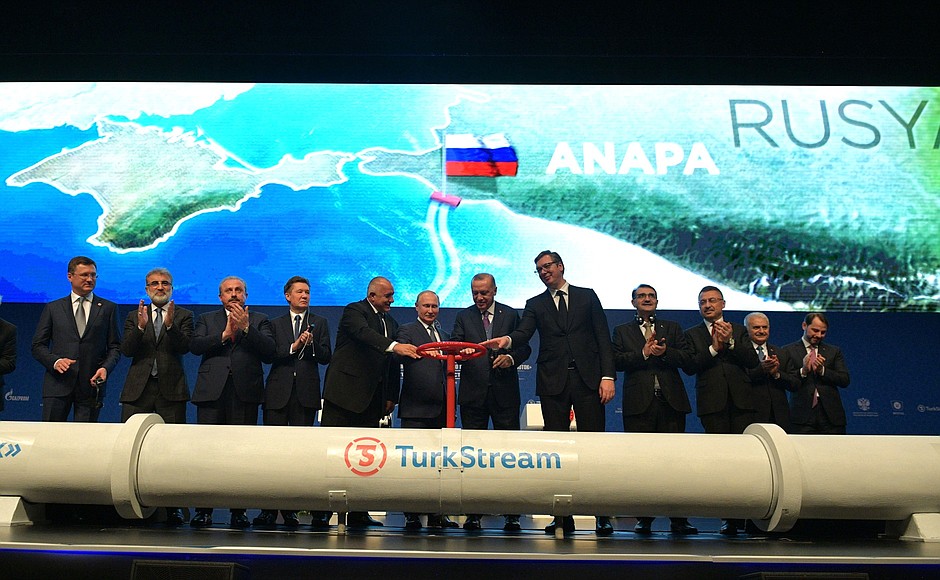
Europe has reduced its reliance on Russian gas following the war in Ukraine, and its chief supplier Russia is mired in western sanctions. What does it mean for Russia? It has certainly changed the fortunes for American gas to be sold to Europe: as of 2023, the US had become the world’s top exporter of gas.
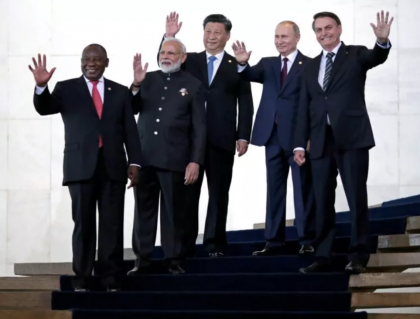
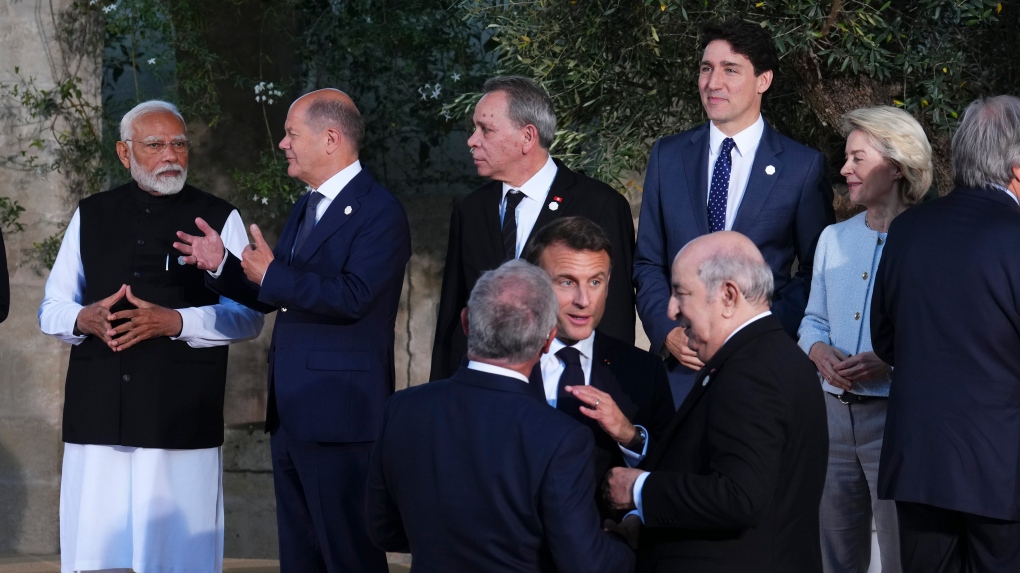
Prime Minister Modi’s third term began with India’s participation at the BRICS Foreign Ministers Meeting in Russia and the Outreach Session of G7 in Italy. India’s participation at both conferences highlighted New Delhi’s continuing preoccupation with great powers. How Indian diplomacy navigates ties between the West and BRICS will shape and decide its strategic autonomy in a multipolar world.
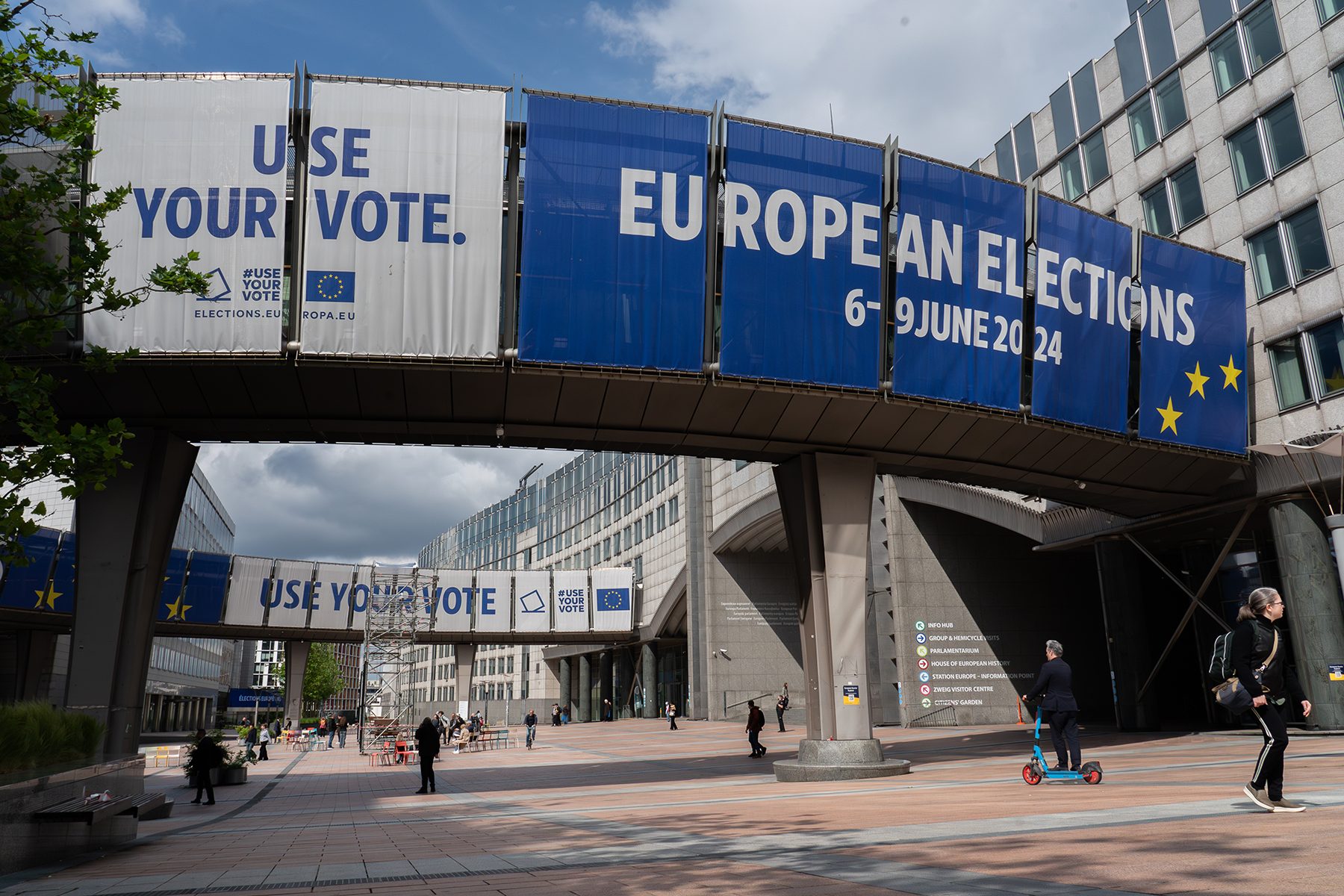
The European Parliament elections have thrown up a win for the right-wing parties – quite a change from the previous centre-left composition. There will be repercussions for the EU and domestic policies of the member countries. Is this election an indication of a future Europe turning right, or is it a reaction to domestic situations individually within states?