2 (6) Courtesy: Gateway House
5 February 2026

Influence of philanthropies in the UN

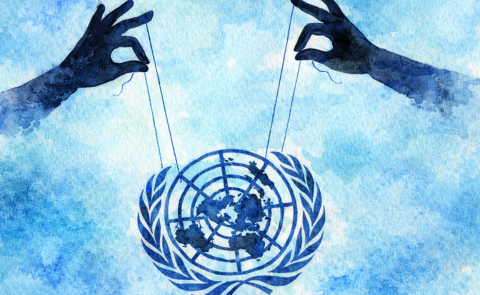
On January 7, 2026, the U.S. government announced its withdrawal from 31 UN organisations. This is a shock to the UN system. Several other countries have halted or only partially paid their dues over the years, creating a major funding gap. To cover for it, the UN has turned to “voluntary contributions” which come from philanthropic and private actors. Their misaligned mandates are distorting UN priorities.
News on Air (4) Courtesy: DD News
29 January 2026

The European pivot to India

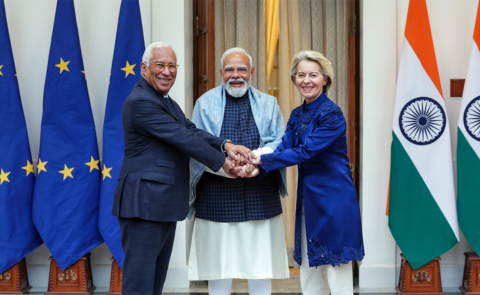
By signing the EU-India Free Trade Agreement on January 27, the ties that bind India and the European collective have been re-energised. They are now set to reach new heights, while overcoming past hesitations and divergences.

Untitled design (10) Courtesy: Foreign Affairs
15 January 2026

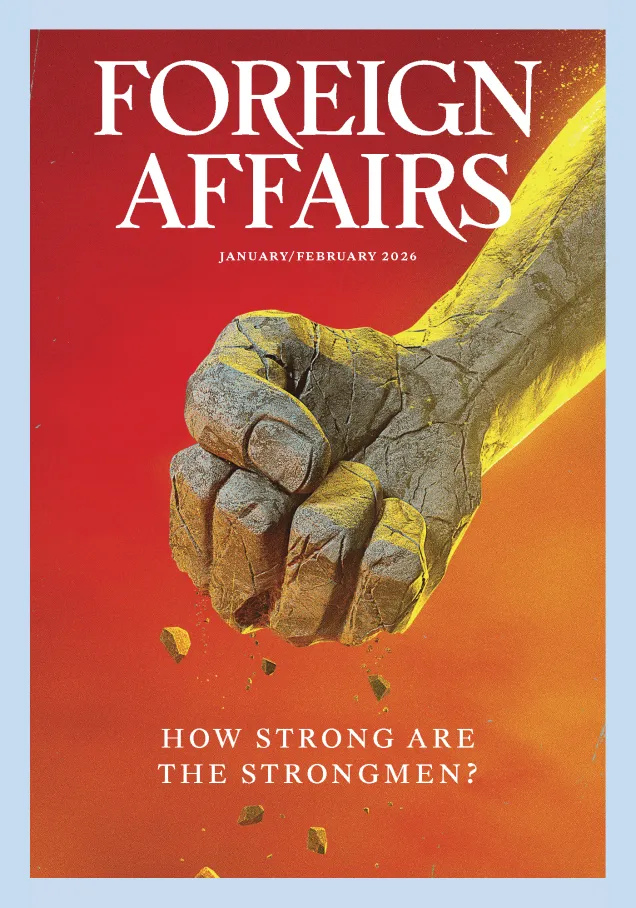
How Strong are The Strongmen?

Not long ago in the sweep of history, countries that had once been buried behind the Iron Curtain, and even some Soviet republics, were transformed into members of the solidly democratic club. Some of those that weren’t, such as Ukraine, Georgia, and Kyrgyzstan, experienced mass revolts against rigged elections and corrupt misrule amid widespread public yearning to join the West. Free trade was again celebrated as an instrument of peace; Kant’s “democratic peace theory” enjoyed a revival.

News on Air Courtesy: News on Air
8 January 2026

2026: India’s foreign policy challenges

In the shifting sands of contemporary geopolitics, terms such as ‘fluid multipolarity’, ‘multiplexity’, ‘tripolarity’, and ‘bipolarity with multipolar characteristics’ are replacing the old dogmas and orders. But what is driving the world today? How does India plan to protect its vital interests in the current age of ongoing polycrisis? The road ahead is challenging, marked by risks and uncertainty.

9feb9c42-5bb4-16f6-4358-f21cbb0992ff Courtesy: Gateway House
11 December 2025

Ambedkar the forgotten internationalist

As global conflicts intensify and global leadership falters, it is time to look back 75 years to Bhimrao Ramji Ambedkar - not only the father of India’s Constitution but also an internationalist whose foreign policy vision remains overlooked. He warned against aligning with China, upheld Tibet’s sovereignty, advocated U.S. ties, rejected non-alignment, and championed India’s UNSC seat. How different would the scenario have been if Ambedkar had led India’s foreign policy?

Reuters (1) Courtesy: Reuters
3 December 2025

Russia and India update their relationship

The visit of Russian President Vladimir Putin to India on December 4-5, is an event with many dimensions. It will address the political and economic strength and future of the bilateral, discuss the global scenario, and lay out a path for future cooperation that will continue to define the relationship as 'special and privileged.'

revised design Courtesy: Gateway House
27 November 2025

Rise of the Davos Competitor

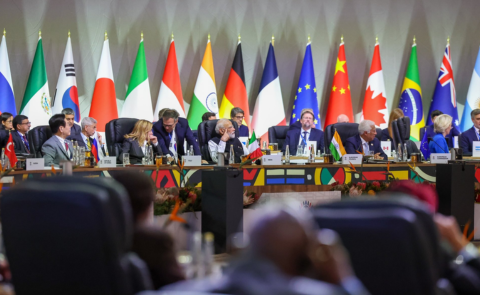
U.S. health secretary Robert Kennedy Jr. called the World Economic Forum a “billionaires’ boys club” imposing totalitarian controls. Indeed, since 1971, the elite platform shaped geopolitics. But its Western-centricism kept out the concerns of the rest. This gave rise to alternative forums, which look beyond financial agendas to the perspectives shaping the Global South. Here are 45 of biggest, half of which began just two decades ago.

Gateway House Courtesy: Telegrafi
6 November 2025

U.S. Sanctions on Russian oil giants

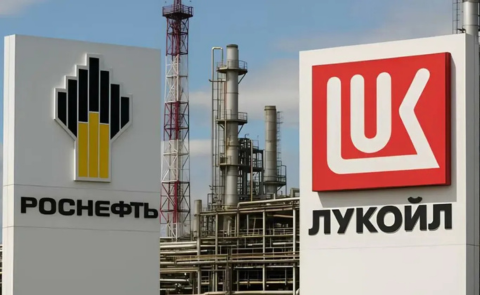
On October 22, 2025, U.S. President Donald Trump imposed sanctions on Russia’s oil giants, Rosneft and Lukoil. The move has clear geopolitical motives—to remove a major supplier from an oversupplied oil market. Indian oil companies, key buyers of Russian crude, now face pressure to cut imports, undermining India’s energy diversification and shaking global oil markets, including the U.S. economy.

Website articles  (4) Courtesy: Indian Embassy in Moscow / FB
30 October 2025

India in Russia’s polycentric world order

The Valdai 2025 conference’s single confirmation was this: Russia believes the post-Western world is already functioning. It is no longer seeking to re-enter Western-led institutions; it is building around them. The polycentric world is like a network, not a hierarchy. No one needs to choose a camp.

Koerber Stiftung (3) Courtesy: Getty
16 October 2025

Labour Corridors: India-Russia’s Next Bet

The labour movement in the India-Russia corridor is a new element in the bilateral. It is already visible in the Delhi–Moscow flights. The usual students and tourists now share the cabin with welders, salon workers, and builders, many on their first overseas assignment. The trend signals a shift in Russia’s migration geography and opens a corridor linking India’s skill base with Russia’s industrial demand.