the influence of phil in the UN  (1) Courtesy: Debarpan Das
5 February 2026

Influence of philanthropies in the UN

Over the last few decades, countries have stopped, delayed, or withheld their UN dues. The UN’s increasing financial needs have led to the acceptance of “voluntary” contributions. Those which come from any entities or individuals and are now its largest income stream. The biggest of these donors are the global philanthropies, which often have differing agendas from the UN’s responsibilities. This report studies these contributions and examines the linkages between donor priorities and UN mandates.

2 (6) Courtesy: Gateway House
5 February 2026

Influence of philanthropies in the UN

On January 7, 2026, the U.S. government announced its withdrawal from 31 UN organisations. This is a shock to the UN system. Several other countries have halted or only partially paid their dues over the years, creating a major funding gap. To cover for it, the UN has turned to “voluntary contributions” which come from philanthropic and private actors. Their misaligned mandates are distorting UN priorities.

mw website fin Courtesy: The Times of India
20 July 2023

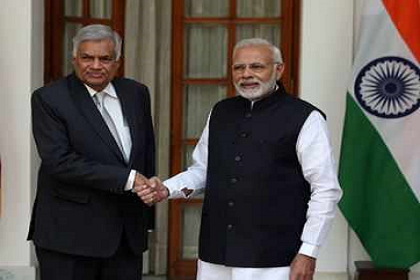
India and Sri Lanka: Hard work ahead

On July 21, Sri Lankan President Ranil Wickremesinghe is set to visit for the first time since taking office. India has already provided $5 billion in economic assistance to Sri Lanka, and is now looking to expand its investment in the nation. Sri Lanka is also seeing interest from Indian private investment. The visit presents an opportunity for the two countries extend this relationship in new areas of cooperation, especially energy, infrastructure, and tourism.

indian port Courtesy: Reuters
9 February 2023

Trading more within Asia makes economic sense

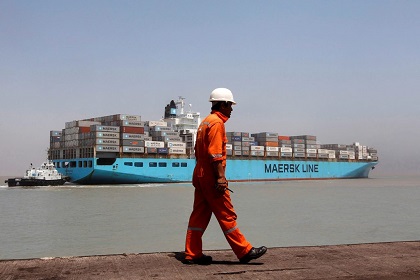
The International Monetary Fund’s recent warning of a slowing global trade comes as a sign for South Asia to reassess its regional trade within the continent. India, in its year of G20 Presidency and as South Asia’s largest economy, can use its platform to lead the way via dialogue, capacity building, and regulatory policies to encourage open regionalism in Asia.

indian-navy-1-620x400-1 Courtesy: Financial Express
22 June 2022

Extending India’s Maritime Security Strategy

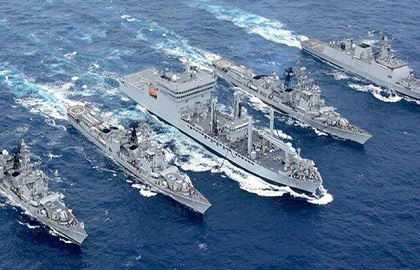
Great power competition in the Indo-Pacific is a concern for regional powers. India’s maritime security strategy has adapted to this geo-political change, and is moving from acting as a balancing power, to a leading force in the region. India is a near, yet non-resident power, and has a strategy for providing stability, prosperity, and security in the Indo-Pacific and Indian Ocean regions.

IMG-1700 Courtesy: @BIMSTECInDhaka
8 June 2022

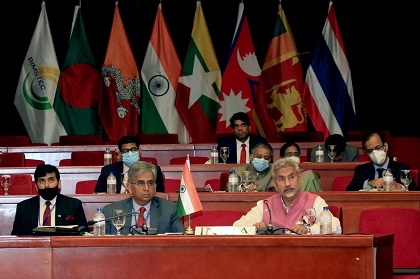
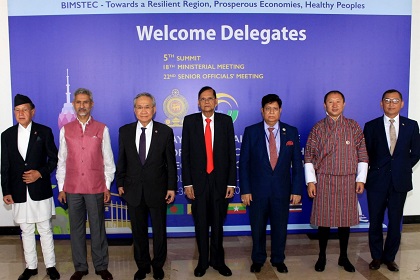
BIMSTEC@25

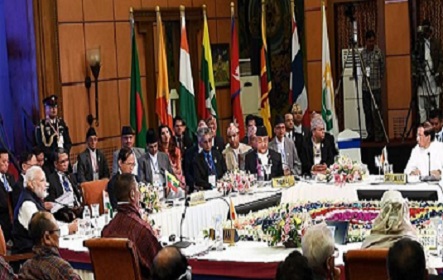
June 6, 2022, marks 25 years since India, Bangladesh, Sri Lanka, Bhutan, Nepal, Myanmar and Thailand joined hands to create BIMSTEC and infuse South Asia with economic and institutional cooperation. The strategic geography of this grouping has the potential to bring new synergy between South Asia and the recently-instituted Indo Pacific Economic Framework, ASEAN and the Quad, for a prosperous, secure Bay of Bengal Community.

bimstec 2 Courtesy: Twitter- BIMSTEC
19 May 2022

Incorporating the Blue Economy into BIMSTEC

The BIMSTEC charter has laid the foundations for a prosperous, peaceful, and sustainable Bay of Bengal region, a goal that can be achieved by greater integration and deeper collaboration. While ensuring continuity with past efforts and strengthening economic cooperation is necessary, it must also realise its potential in newer areas such as the blue economy, which has three interlinked pillars— connectivity, prosperity, and regional stability.

unnamed (1) Courtesy: Ministry of External Affairs, India
7 April 2022

A formal, opportune BIMSTEC

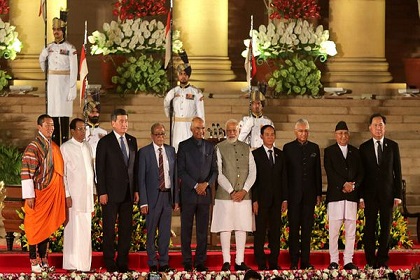
The recently concluded BIMSTEC summit is now a regional intergovernmental organization with a formal charter, giving it a clear mission and legality and a destiny linked to South and South East Asia. It is now better equipped to accelerate economic development for the fifth of the world’s population, which contributes only 4% of global GDP.

bimstec 2022 Courtesy: BIMSTEC
31 March 2022

BIMSTEC steps forward

BIMSTEC is of special importance to India as it is a crucial link between the Neighbourhood First and Act East policies. This almost 25 year old multilateral can contribute to the Indo-Pacific region by addressing challenges in strategic areas of regional connectivity, security cooperation, free trade, and geoeconomic ties with external partners.

Chinese Port invesments Courtesy: The Maritime Executive
19 August 2021

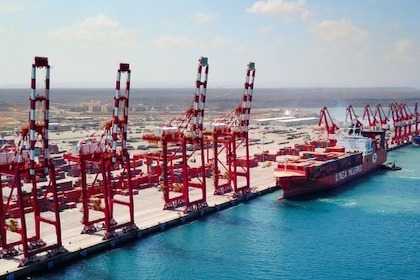
China’s ports in the Indian Ocean

China is rapidly expanding its influence in the Indian Ocean Region, as its massive investment in ports starts to materialise. From smaller investments of $78 million in Djibouti to large ones like $1.6 billion in Gwadar, these are funded largely by Chinese state-owned enterprises. This infographic shows the 17 ports being built by China, which are now important strategic, economic and political outposts for the country.