20260415_1714_Minimalist Iran Conflict Illustration_remix_01kp8f9nksftqrj3zntfnpktpe Courtesy: Gateway House
15 April 2026

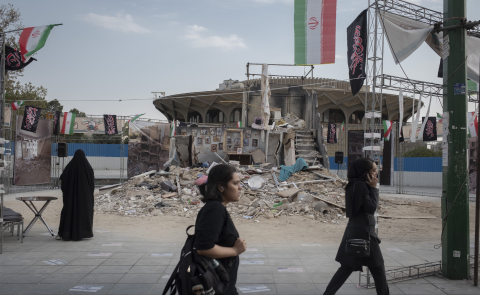
How did Iran fight this war?

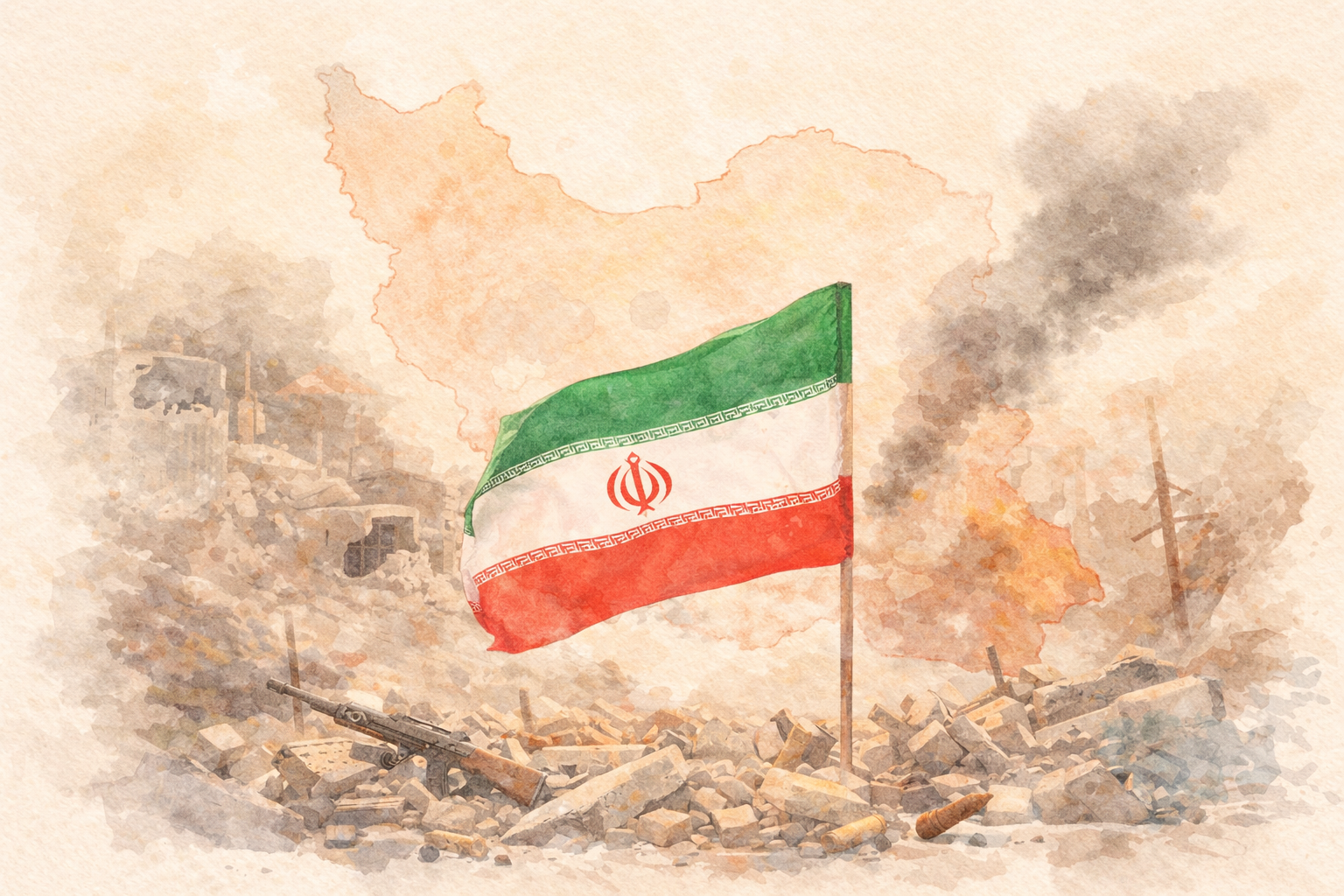
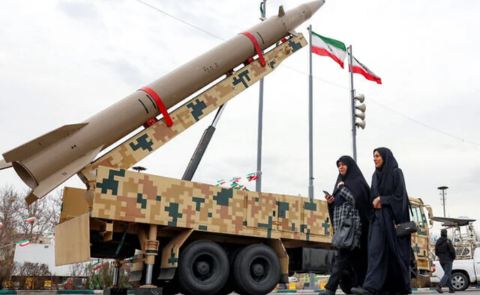
The West Asian conflict is raising questions about Iran’s performance. Tehran appeared well-prepared, having expanded its low-cost drone and missile capabilities. It also widened the conflict by targeting U.S. bases in the Gulf. The key lesson is that eliminating leadership does not guarantee regime change. The conflict underscores that modern warfare depends not just on battlefield gains, but also on economic resilience, trade leverage, and technological strength.
Website articles  (62) Courtesy: Gateway House
26 March 2026

Arctic politics: between competition and cooperation

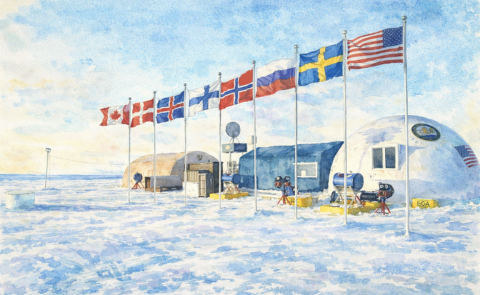
The Arctic region is at the crossroads of the dramatic environmental shifts and heightened conflict that are shaping global politics today. In the region, major geopolitical events and enduring rivalries necessitate a logic of competition, yet coordination on transboundary issues remains important. This echoes the challenges facing oceans, ecosystems and planetary problems in global governance more broadly, in which political efforts yield frustratingly incremental, yet indispensable, results.

Website articles  (52) Courtesy: AFP
9 March 2026

Iran regime change unlikely

The U.S.–Israel war against Iran will alter the geopolitical landscape of West Asia and adversely impact the global economy, including India. Vali Nasr, Majid Khadduri Professor of International Affairs and Middle East Studies at Johns Hopkins University School of Advanced International Studies, analyses the conflict and its implications in an exclusive conversation with Nayanima Basu.

Website articles  (11) Courtesy: Shutterstock
5 March 2026

West Asia conflict: who benefits?

The U.S. and Israel launched precise airstrikes on Iran, targeting nuclear facilities and senior leadership. Their aim is to weaken Iran’s nuclear programme and potentially induce regime change, while Tehran’s priority remains regime survival. The conflict’s duration will depend on whether it remains limited to missile exchanges or escalates into asymmetric warfare.

Website articles  (44) Courtesy: Indian Navy
26 February 2026

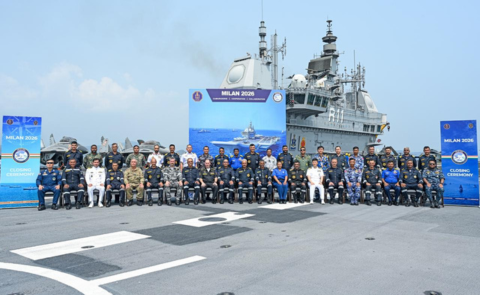
Indian Navy advances ambitions, enhances diplomacy

Over the last two decades, the Indian Navy has taken a quantum leap in modernising its fleet with stealth frigates, warships, submarines, and fighter planes. Its goal is to be the net security provider and first responder securing Sea Lines of Communication in the region. But it is still lagging behind its Indo-pacific naval partners and most important, its regional rival, China.

Website articles  (35) Courtesy: Getty Images
22 January 2026

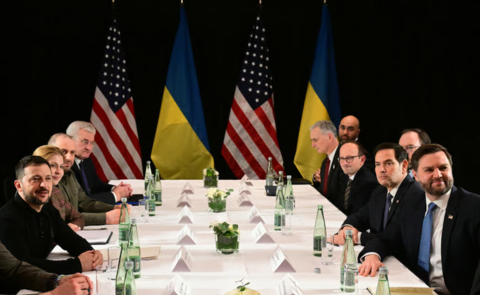
Can NATO survive without Article 5?

The U.S. demand for Greenland for security purposes, has alarmed Europe enough for talk of Article 5 of NATO’s collective defence agreement to be put on the discussion table. But can NATO survive without Article 5? And can Article 5 survive without the U.S. defence cover for Europe?

Putin's Speech Valdai Courtesy: Valdai Discussion Club
3 November 2022

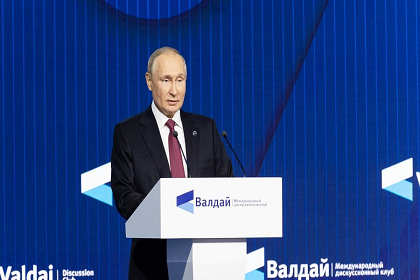
At Valdai, Putin’s vision of emerging world order

The reference to India by Russian President Vladimir Putin at the Valdai Discussion Club may be interpreted as encouragement to New Delhi to use its good offices to nudge the warring sides to the negotiating table. Mediation is a big power game, and this may be the right time for India, at the cusp of the G20 Presidency, to start with a record of success

sanctions Courtesy: The Loadstar
6 July 2022

Detailing Western sanctions against Russia

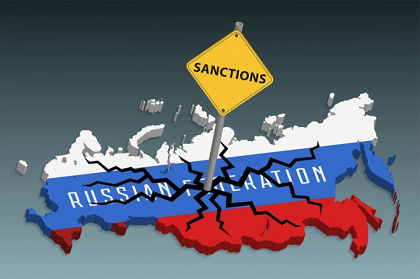
The West is using the Ukraine crisis as a watershed moment to weaponize sanctions in a volatile global setting. This infographic shows the extent and scale of Western sanctions against Russia, both public and private, across different sectors, and in a coordinated manner.

china pakistan flags Courtesy: Shutterstock
22 June 2022

Understanding Pakistan’s China Debt Problem

Pakistan’s latest economic survey reveals the extent of the country’s indebtedness to China. High-interest Chinese loans, reckless multilateral borrowing, and ever-increasing defence budgets have deleteriously impacted Pakistan’s finances. Any lasting solution to these problems will have to involve China.

thumbnail_IMG_1596 Courtesy: The Print
14 April 2022

AAP, ISI, Khalistan and the counter spin

Pro-Khalistan organisations have collaborated with the ISI to disseminate anti-India narratives and influence the Indian diaspora. While this has little traction within the country, there is a need for India to extend support to those expatriate Indian communities which are actively countering the misinformation spread by these organisations and Pakistan-sponsored fringe groups.