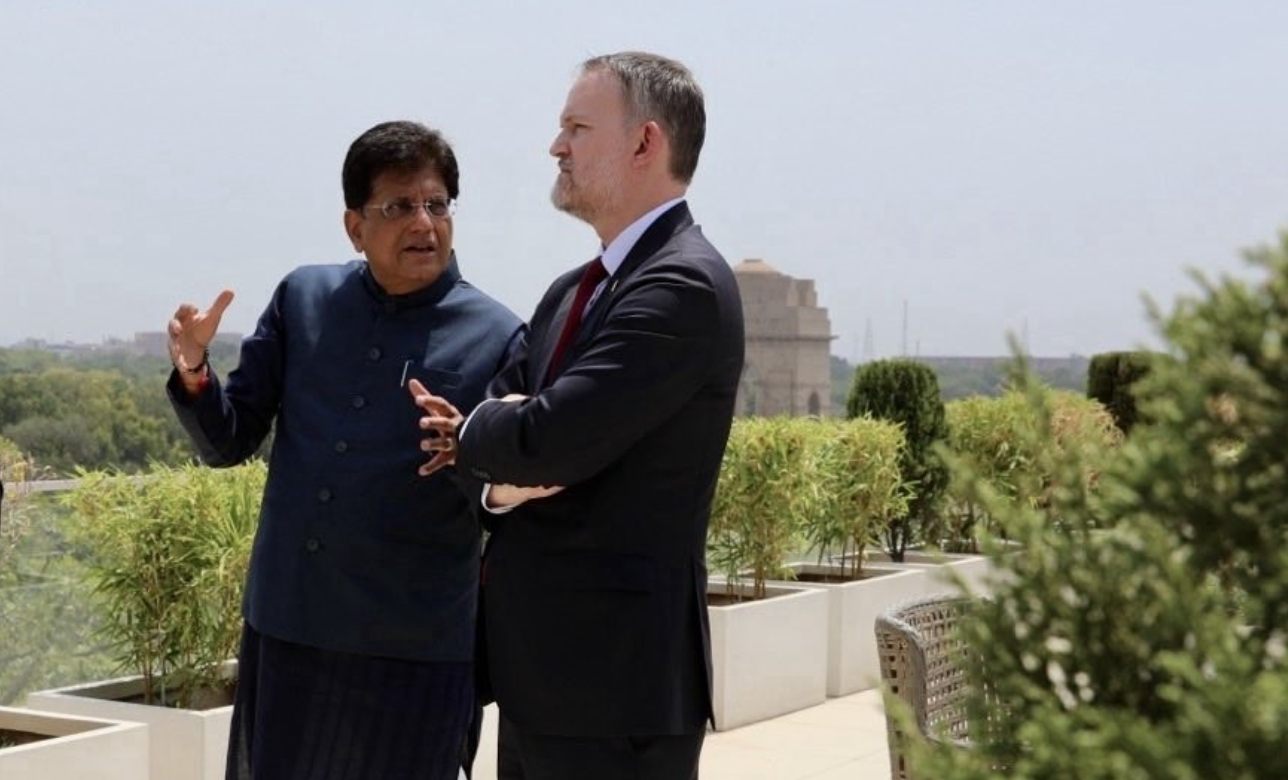
Jamieson Greer and Piyush Goyal Courtesy: X / @USAmbIndia
27 August 2026

New tariffs complicate India-U.S. trade negotiations

The proposed Bilateral Trade Agreement (BTA) between India and the U.S. aims to enhance trade relations by reducing barriers and increasing cooperation in various sectors. But negotiations have reached an impasse largely due to the tariffs implemented during Trump's second administration. India is maintaining a firm stance on key issues rather than softening its position.  

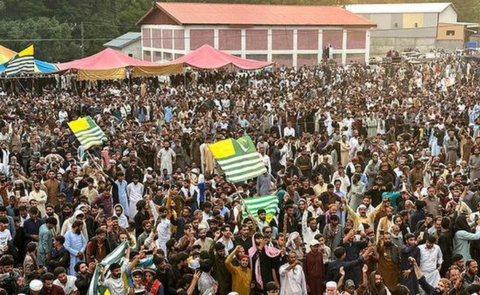
Supporters of the Joint Awami Action Committee (JAAC) Courtesy: AFP
6 August 2026

Protests loosen Pakistan’s hold on Kashmir

The ongoing and violent protests in Pakistan-occupied Kashmir have multiple reasons, but the most contentious is the demand to abolish 12 legislative assembly seats that are reserved for refugees from Indian-administered Kashmir. Islamabad’s civil-military establishment is unlikely to give in to the protestors: these seats allow them to hand-pick winners and control government formation in Muzaffarabad, bypassing local resident voters entirely.

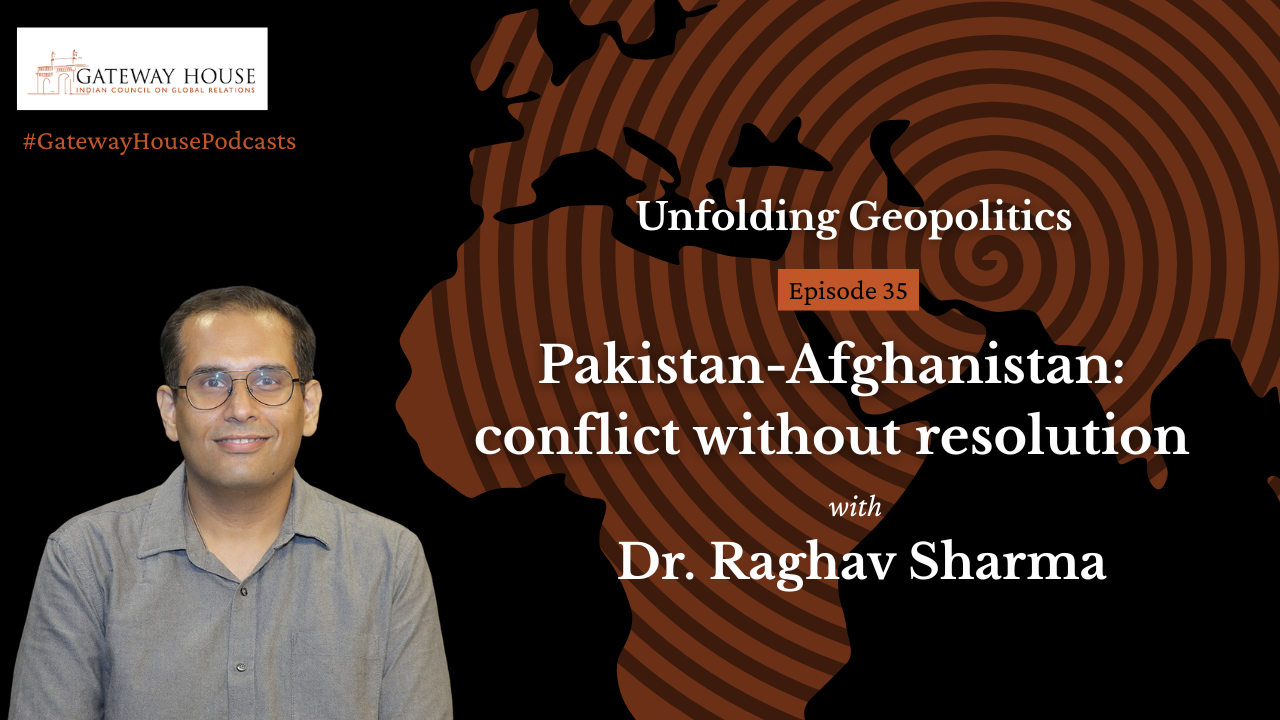
Dr. RS Courtesy: Gateway House
18 June 2026

Pakistan-Afghanistan: Conflict Without Resolution

Pakistan and Afghanistan have long shared one of the world's most volatile borders. Pakistan's 2025 airstrikes inside Afghanistan marked a dramatic rupture in a relationship Islamabad had once carefully cultivated. Regional expert Raghav Sharma examines the evolving military balance, China’s mediation efforts, the role of the Gulf states, and how the Iran conflict is reshaping Pakistan’s economy and internal fault lines. The result is a region facing multiple crises, where traditional strategic assumptions no longer offer clear answers.

1 (5) Courtesy: Gateway House
11 June 2026

Decoding India’s Neighbourhood dynamics

Nepal’s ruling party leader, Rabi Lamichhane, visited India from June 1-5, 2026, highlighting Nepal’s evolving political priorities under the leadership of new Prime Minister Balendra Shah. A conversation with Nayanima Basu examines how India is faring under its Neighbourhood First and Act East policies and how New Delhi should navigate an increasingly volatile and sensitive region.

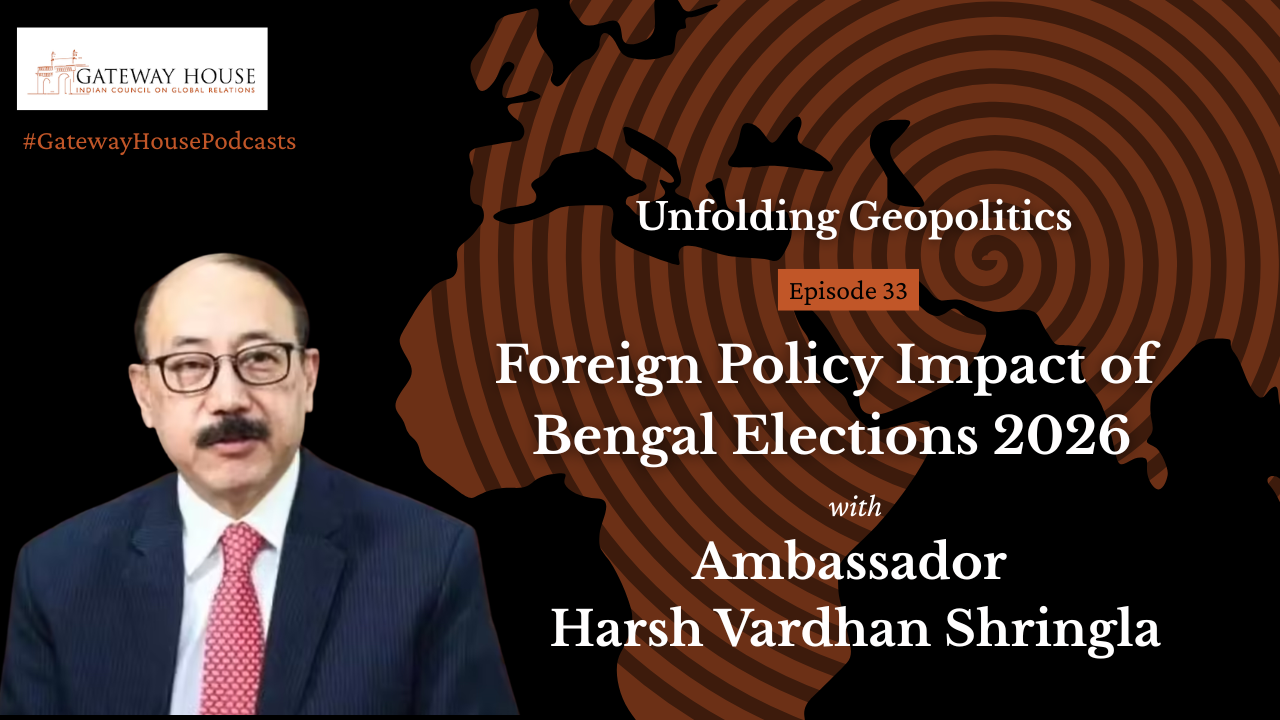
amb HVS (2) Courtesy: Gateway House
7 May 2026

Unfolding Geopolitics Episode 33 |Foreign policy impact of Bengal elections

The state elections in the eastern states of Bengal and Assam have given a massive mandate to the ruling Bharatiya Janata Party. The opportunity for transformation and progress is enormous, especially as both these states are the crucial connectors to India’s Act East Policy. Harsh Shringla, Member of Parliament and former Foreign Secretary of India, says India’s foreign policy will see multiple benefits from these states.

amb sk Courtesy: Gateway House
30 April 2026

Unfolding Geopolitics Episode 32 | Iran after the war: survival and strategy 

history, the Palestine issue, the creation of Israel, and strained U.S.-Iran ties. India’s former ambassador to India, Saurabh Kumar, witnessed the hope of the Joint Comprehensive Plan of Action and its collapse. Unfulfilled hopes have led to reignited tensions. The U.S.-Israeli objectives of regime change are still unmet, and Iran’s survival marks a strategic outcome, despite its domestic economic and military strain. Ambassador Kumar discusses Iran and the ongoing crisis in West Asia. 

rk (3) Courtesy: Gateway House
9 April 2026

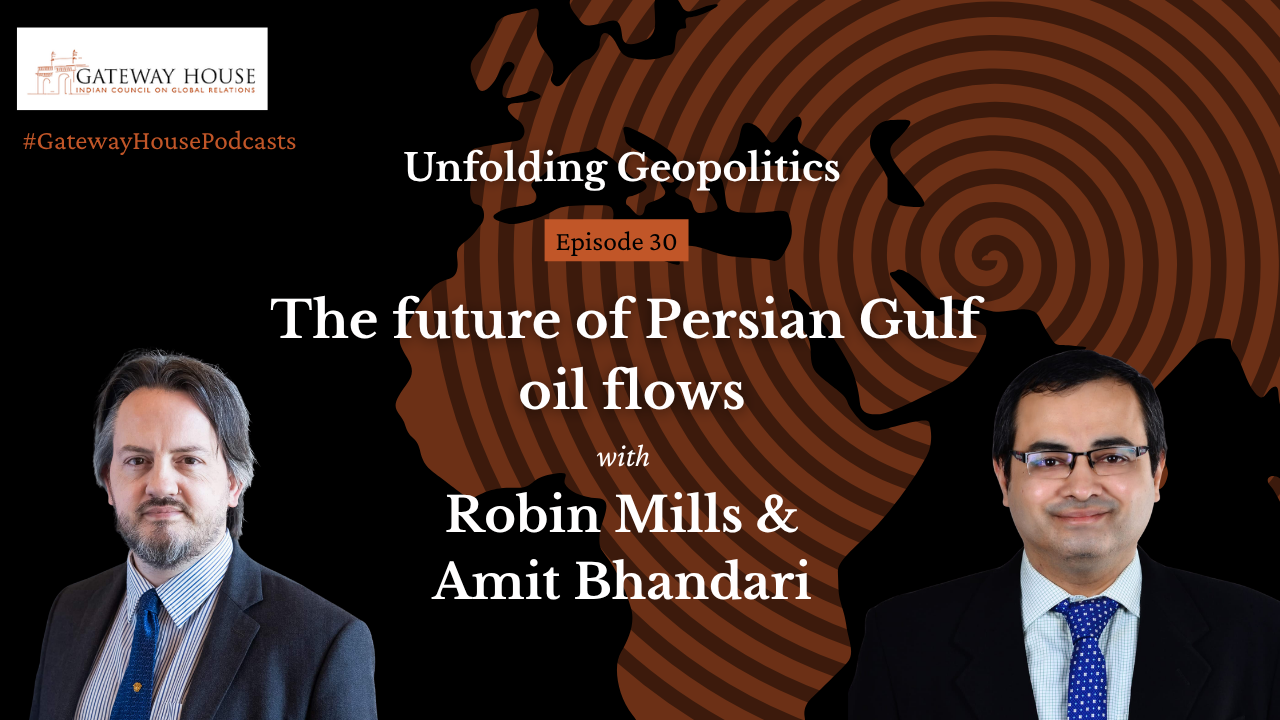
Unfolding Geopolitics Episode 30 | The future of Persian Gulf oil flows

Following the U.S.–Iran ceasefire and partial reopening of the Strait of Hormuz, energy flows may resume, but uncertainty persists. Robin Mills, CEO of Qamar Energy, and Amit Bhandari, Senior Fellow on Energy, Investments and Connectivity, Gateway House, note that Iran will retain leverage and will continue influencing prices and supply chains. Natural gas shortages will further disrupt fertiliser production and fuel inflation world-wide.

Website articles  (68) Courtesy: AFP
2 April 2026

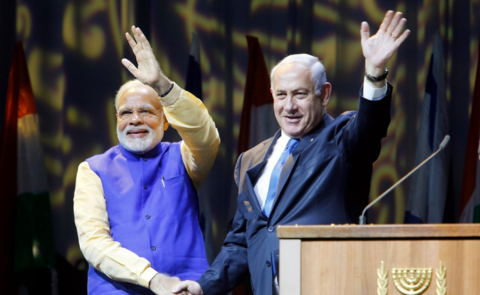
Modi’s Israel visit brings defence and tech

It is important to take an objective review of PM Modi’s visit to Jerusalem and its implications for India’s security. New Delhi will have to demonstrate its strategic autonomy by managing heterogeneous and often contrapuntal relationships and strike a balance in its ties with the U.S. and Israel on the one hand and Iran and the Arab world on the other hand.

Website articles  (51) Courtesy: Gateway House
4 March 2026

Unfolding Geopolitics Episode 29 |War and uncertainty in Iran today

The assumption that the Iranian public will rise up against its religious and political leadership, seizing the opportunity provided by Israel and U.S. strikes against Iran, may not prove true. Iran’s civilisational structure is resilient, and its educated population may not like being dictated to by the West. Raja Karthikeya, a former international civil servant based in Tehran, examines the escalating U.S.-Israel conflict with Iran, its regional and domestic implications and the tenacity of Iran’s political system amid external pressure.

Website articles  (44) Courtesy: Indian Navy
26 February 2026

Indian Navy advances ambitions, enhances diplomacy

Over the last two decades, the Indian Navy has taken a quantum leap in modernising its fleet with stealth frigates, warships, submarines, and fighter planes. Its goal is to be the net security provider and first responder securing Sea Lines of Communication in the region. But it is still lagging behind its Indo-pacific naval partners and most important, its regional rival, China.