iraq us Courtesy: laprensa
26 June 2014

Iraq crisis: 2003 revisited?

Over two years after American troops left Iraqi soil, the rise of the brutal ISIS is forcing a war weary U.S.to contemplate a return to the country. Amid plummeting approval ratings and divided opinions at home, President Barack Obama will have to carefully weigh the implications of a disintegrated Iraq on the U.S. and indeed, the world.

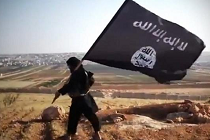
ISIS Courtesy: AFP/Youtube/now.mmedia
24 June 2014

The Iraq crisis and India’s energy security

Professor Madhav Nalapat, the director of the School of Geopolitics at Manipal University talks of the Wahhabi winter sweeping West Asia. In an interview to Manjeet Kripalani, Co-founder, Gateway House, he speaks of the need to include regional experts and religious leaders to deal with its impact on India

west asia W123 Wikimedia Courtesy: W123/WikimediaCommons
6 December 2013

Orienting to the new West Asia

Whether backdoor geopolitics rather than careful negotiations brought about the interim agreement on Iran’s nuclear programme, the next six months will determine its fate. Reactions have ranged from a furious and mistrustful Israel to collective relief by many countries, and a worried India welcoming the agreement

UNSC Syria UNSC Courtesy: United Nations
4 October 2013

Decoding the UNSC Resolution on Syria

The recent UNSC Resolution, which mandates the complete destruction of Syria’s chemical weapons, demonstrates that after more than a year, a degree of international agreement on the Syrian issue has been possible. In the evolving situation, Russia will now emerge as a major player

assadobama Courtesy: Freedom House/Flickr
6 September 2013

Syria: An unwarranted intervention

Despite rising international opposition, U.S. President Barack Obama is ready to penalise the Syrian regime for an alleged chemical attack in Ghouta, Syria, last month. The justifications given by the U.S. for an armed attack are questionable, and such retaliatory action will destabilise the entire region

corridorsmap2 Courtesy: Gateway House
11 July 2013

Asia’s Strategic Corridors to India

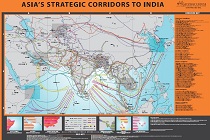
The map – Asia’s Strategic Corridors to India – has emerged from Gateway House’s study of India’s strategic links with other parts of Asia. It highlights the progress India has made in forging multiple links with six strategic regions – Central Asia, West Asia, East Africa, South-East Asia, East Asia, and our immediate neighbourhood

Khurshid in Iraq Courtesy: MEAphotogallery/ Flickr
28 June 2013

India finally reconnects with Iraq

In 2012, Iraq emerged as India’s second largest crude oil supplier thereby shifting focus back on bilateral relations. However, India’s historical and cultural connection with Iraq, as well as common geopolitical concerns, reveal that relations have the potential to go beyond oil

iran election 1 Courtesy: Creative Commons/Flickr
13 June 2013

Why the world should take the Iran elections seriously

The 11th presidential election of Iran is unlikely to be fully democratic or transparent, but the winner will decide the nature of Tehran’s engagement with the West over its nuclear programme. The outcome of this election will also have a bearing on the crises in Syria and Iraq, and the Palestinian-Israeli conflict.

Bahrain Activist/WikimediaCommons Courtesy:
8 February 2013

India navigates the Arab Uprisings

The Arab uprisings show no sign of closure, and have become amorphous. While New Delhi has so far been immunised from the political and religious dimensions of the uprisings, the rise of political Islam, Islamic governance, and continuing instability will impact India.

Www.Oic-Oci.Org Courtesy:
23 January 2013

India and the OIC: To join or not to join?

India’s relations with Islamic nations, many of which are members of the Organisation of Islamic Cooperation (OIC), have become even more prolific over the last decade. While India does not visualise becoming a member of a religious international body, many reasons militate against our formally joining the OIC.