China in IOR: ‘peaceful rise’ no more
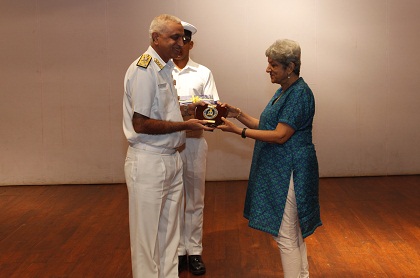
China has expanded its presence in the Indian Ocean Region. President Xi Jinping has abandoned Deng Xiaoping’s conciliatory posture for an aggressive, money-fuelled search for super power status
Courtesy: Western Naval Command
China has expanded its presence in the Indian Ocean Region. President Xi Jinping has abandoned Deng Xiaoping’s conciliatory posture for an aggressive, money-fuelled search for super power status
Courtesy: Flickr
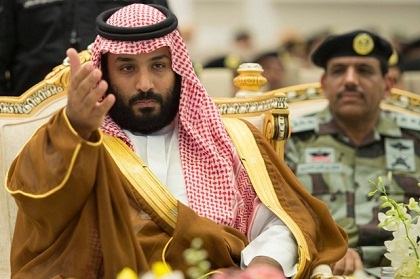
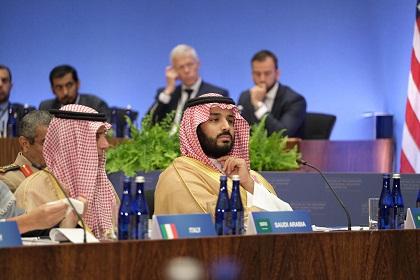
Prince Salman’s accession to the throne after the death of Saudi King Abdullah on 23 January 2015 has been a game changer, both domestically and in West Asian politics. Within days, he sidelined rivals within the House of Saud, and took on Iran with a confrontational policy. But two years later, the results of his new strategy disappoint
Courtesy: MEA / Flickr
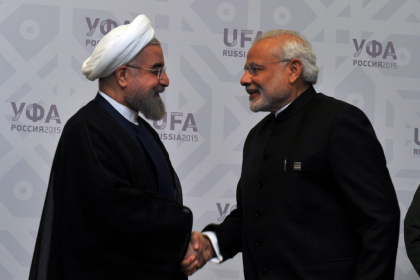
A month after visiting Saudi Arabia, Prime Minister Modi will visit Iran on 22 May. India's careful balancing of relations with competing parties in West Asia has let it remain a friend to all. But to play a role commensurate with its global vision, India must work on becoming more than a friend and instead be an indispensable partner to countries in the region.
Courtesy: MEA / Flickr
The talking points for Prime Minister Modi's upcoming visit to Saudi Arabia will include the obvious: oil, diaspora and economic engagement. What remains to be seen is how both countries differing relations with Iran and Pakistan might affect the dialogue.
Courtesy: Youtube
The world has witnessed a number of upheavals in the past few years, precipitating widespread global political turbulence stemming from geo-economic instability. Over the next couple of months, Gateway House experts will attempt to deconstruct these events and how India and its foreign policy can work to take advantage of these trends.
Courtesy: Flickr / Foreign and Commonwealth Office
By executing an influential Shia cleric among 47 other prisoners, Saudi Arabia has increased the possibility of prolonging conflict in West Asia. The country’s actions have stirred up its differences with Iran, thereby diminishing the possibility of finding political solutions to the civil wars in Syria and Yemen.
Courtesy: Wikipedia
On 14 December, Saudi Arabia announced the formation of an anti-terrorism coalition of 34 Islamic countries. But with key potential partners such as Algeria, Lebanon, and Pakistan refusing to join, the hastily-assembled group has put Saudi credibility in the spotlight instead of deflecting western criticism of the kingdom’s inaction against Sunni jihadism
Courtesy: Victor Dubreuil / Wikipedia
The GCC finds itself engulfed by a perfect storm – due to the oil price fall and the re-emergence of Iran on the world scene. While the GCC is forced to undertake politically challenging reforms and confront the regional challenge of Iran, there lies a great opportunity for India to strengthen their economic as well as security ties.
Courtesy: Dawn Endico
Today ISIS is the gravest international security threat. To defeat ISIS, the world should pay heed to India’s experience of the need to isolate state sponsors of terrorism. Ultimately, only when Saudi Arabia acknowledges the danger to its own survival from past policies of alleged support to extremist groups, can it be a reliable partner in the fight against ISIS.
Courtesy: Wikipedia
The announcement in June of a Saudi-Israeli alliance against Iran has to be seen in the context of the strategic dimensions of India’s relations with Saudi Arabia, Israel, Iran, and the U.S. And it has far-reaching implications for India’s policy towards West Asia