SCO Goa meet unveils ‘big gulf of distrust’ between India and Pakistan
Our Distinguished Fellow for Foreign Policy Studies, Amb. Rajiv Bhatia, was quoted by WIONews on the SCO Foreign Ministers Meeting. Read the full report here.

 Courtesy: WION
Our Distinguished Fellow for Foreign Policy Studies, Amb. Rajiv Bhatia, was quoted by WIONews on the SCO Foreign Ministers Meeting. Read the full report here.
 Courtesy: Shutterstock
Despite the current tense global atmosphere, India and its foreign policy have remained true to its core of peace and security for all and equity and justice for the developing world. Throughout history, dialogue and diplomacy has been supported as a solution to dispute. Now, as G20 President, New Delhi can sow these seeds of peace in an increasingly multipolar world.
 Courtesy: Shutterstock//Creativa Images
Indonesia has managed its G20 Presidency year by understanding the importance of not going it alone. This trading nation has used its deep regional and multilateral cooperative processes which provided trusted back-up and support at every step, and was book-ended by strong linkages and investment partnerships with Japan and Australia. In this, it has laid the groundwork for India’s 2023 presidency.
 Courtesy: Reuters
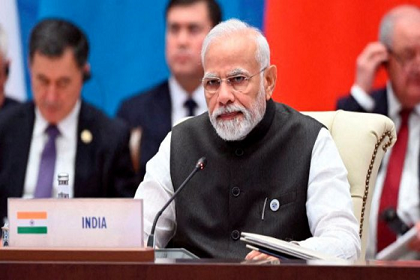
The recent SCO Summit held in Samarkand was significant not only because it was held in-person after three years but also because of its rapid expansion and the increasing attention to economic development. The SCO’s progress on connectivity, commerce and digitalization is relevant for India which takes over the presidency in 2023.
 Courtesy: DNA India
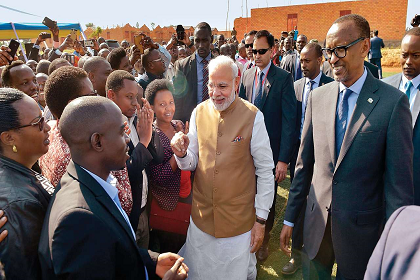
India and Africa are two of world's significant emerging powers whose relationship has been growing strong over the years. In his review of Rajiv Bhatia’s book India-Africa Relations: Changing Horizons, Peter Cozens, former Royal New Zealand Navy officer highlights why it is a necessary read for those interested in India-Africa relations as they are today.
 Courtesy: zeenews
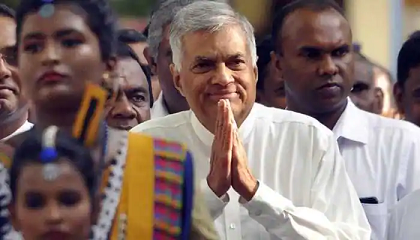
Sri Lanka's crippled economy requires immediate and robust reforms. India faced similar adversity when PV Narasimha Rao pulled the country out of the economic crisis in 1991. Will new president Ranil Wickremesinghe follow the example of India's 1991 reforms to save his country and economy?
 Courtesy: The Print
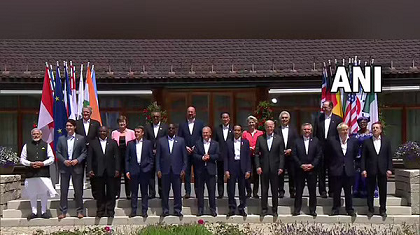
The shadow of the Ukrainian war was visible at the G7 summit. Anti-Russian formations were expected, but the extensive reference to China drew attention. The leaders did their part by extensively discussing challenges relating to climate, energy, environment, health, and food security. It is now for the G7 governments to deliver, to be taken seriously.
 Courtesy: Shutterstock
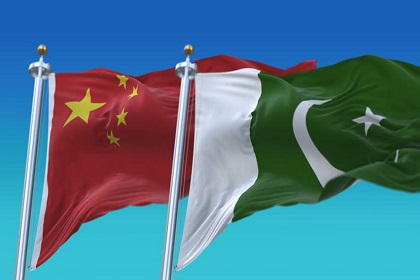
Pakistan’s latest economic survey reveals the extent of the country’s indebtedness to China. High-interest Chinese loans, reckless multilateral borrowing, and ever-increasing defence budgets have deleteriously impacted Pakistan’s finances. Any lasting solution to these problems will have to involve China.
 Courtesy: @BIMSTECInDhaka
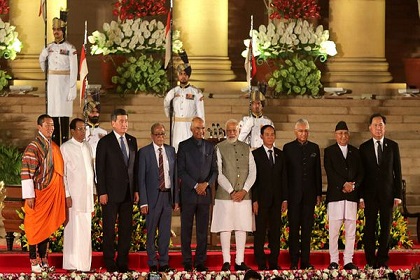
June 6, 2022, marks 25 years since India, Bangladesh, Sri Lanka, Bhutan, Nepal, Myanmar and Thailand joined hands to create BIMSTEC and infuse South Asia with economic and institutional cooperation. The strategic geography of this grouping has the potential to bring new synergy between South Asia and the recently-instituted Indo Pacific Economic Framework, ASEAN and the Quad, for a prosperous, secure Bay of Bengal Community.
 Courtesy: TIME Magazine
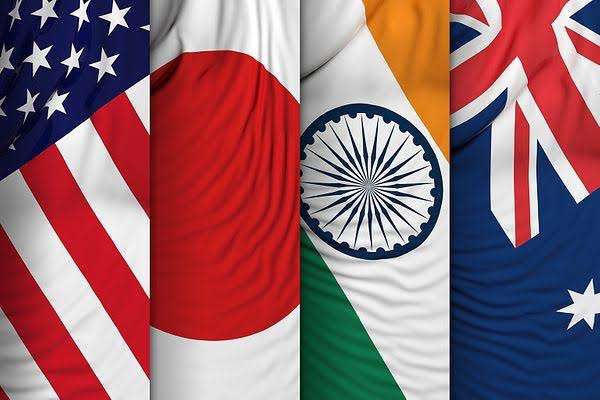
After its fourth summit on May 24, the Quad has emerged stronger and clearer in its initiatives which are aimed at addressing the Indo-Pacific’s geopolitical challenges. India now has a chance to work with like-minded democracies on an equal footing, with much to contribute. The Quad’s strategy for the Indo-Pacific is to deepen internalised cooperation for continued peace, prosperity, and stability.