The Dhaka gold squeeze
The Bank of England was in the news because of the ‘gold squeeze’- traders moving gold from London to New York to profit from the price arbitrage. An informal version of this is taking place between Bangladesh and India.

 Courtesy: Investopedia
The Bank of England was in the news because of the ‘gold squeeze’- traders moving gold from London to New York to profit from the price arbitrage. An informal version of this is taking place between Bangladesh and India.
 Courtesy: Reuters
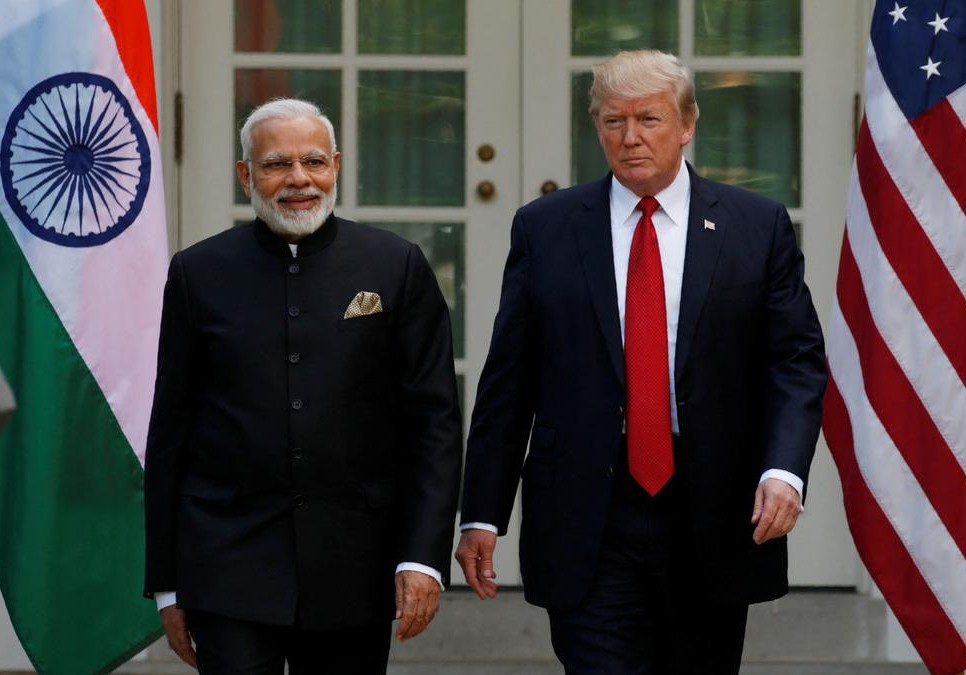
India and the U.S. have a big agenda, bilaterally and geopolitically, to discuss when Prime Minister Narendra Modi and U.S. President Donald Trump meet in Washington on Feb 12-13. Trade, China and migration are central points of discussion. So will ensuring that Trump allies with India on its neighbourhood as an area of common concern. The big election win in New Delhi will strengthen Modi’s negotiating hand.
 Courtesy:
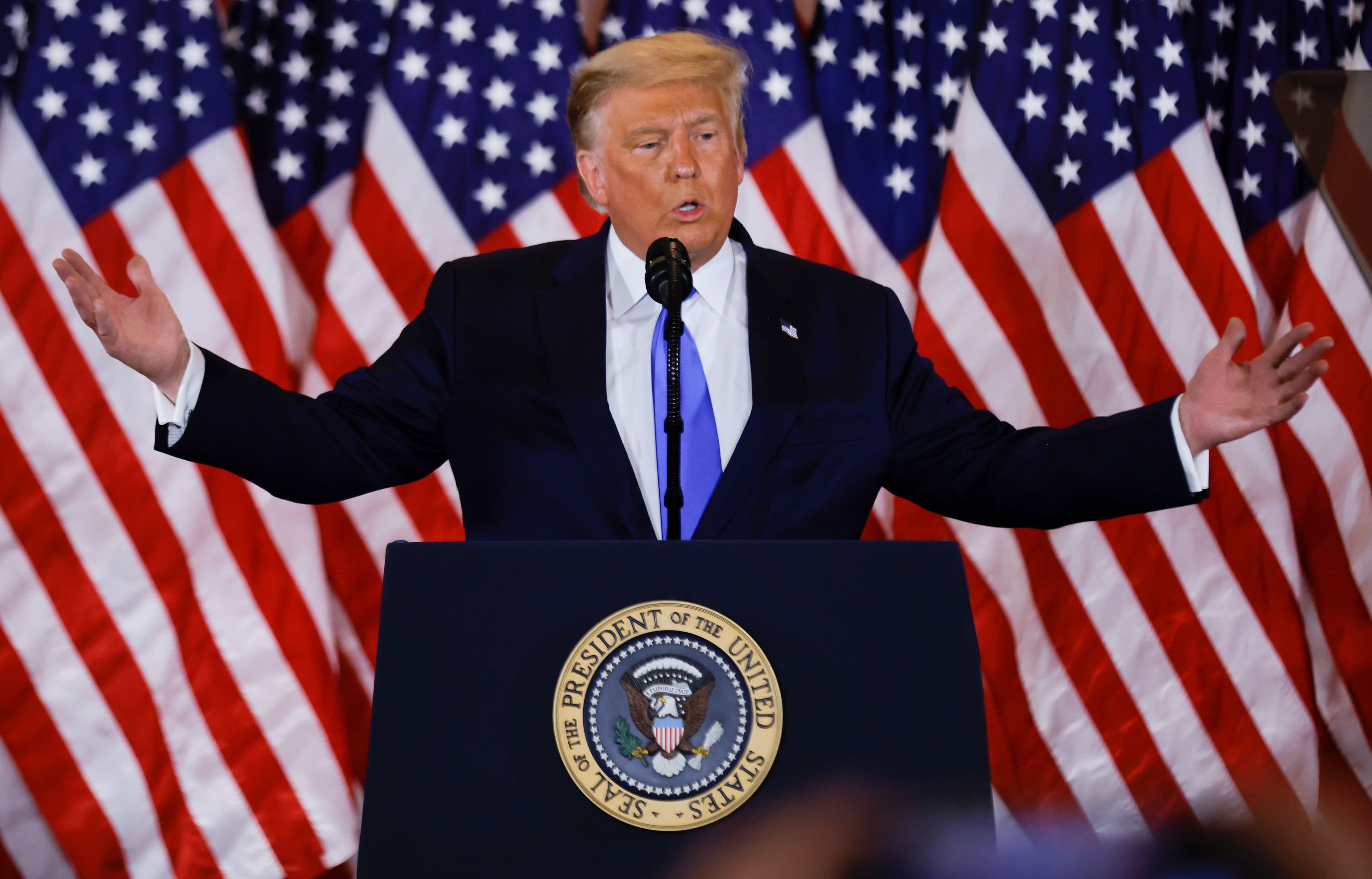
Domestic concerns regarding the cost of living, immigration and crime were the key issues that brought about change in the U.S. Presidential elections. Taranjit Singh Sandhu, former Indian ambassador to the U.S., discusses the election outcome and its geopolitical implications, the potential economic and political trajectory of a Trump presidency, and the future of the India-U.S. bilateral.
 Courtesy:
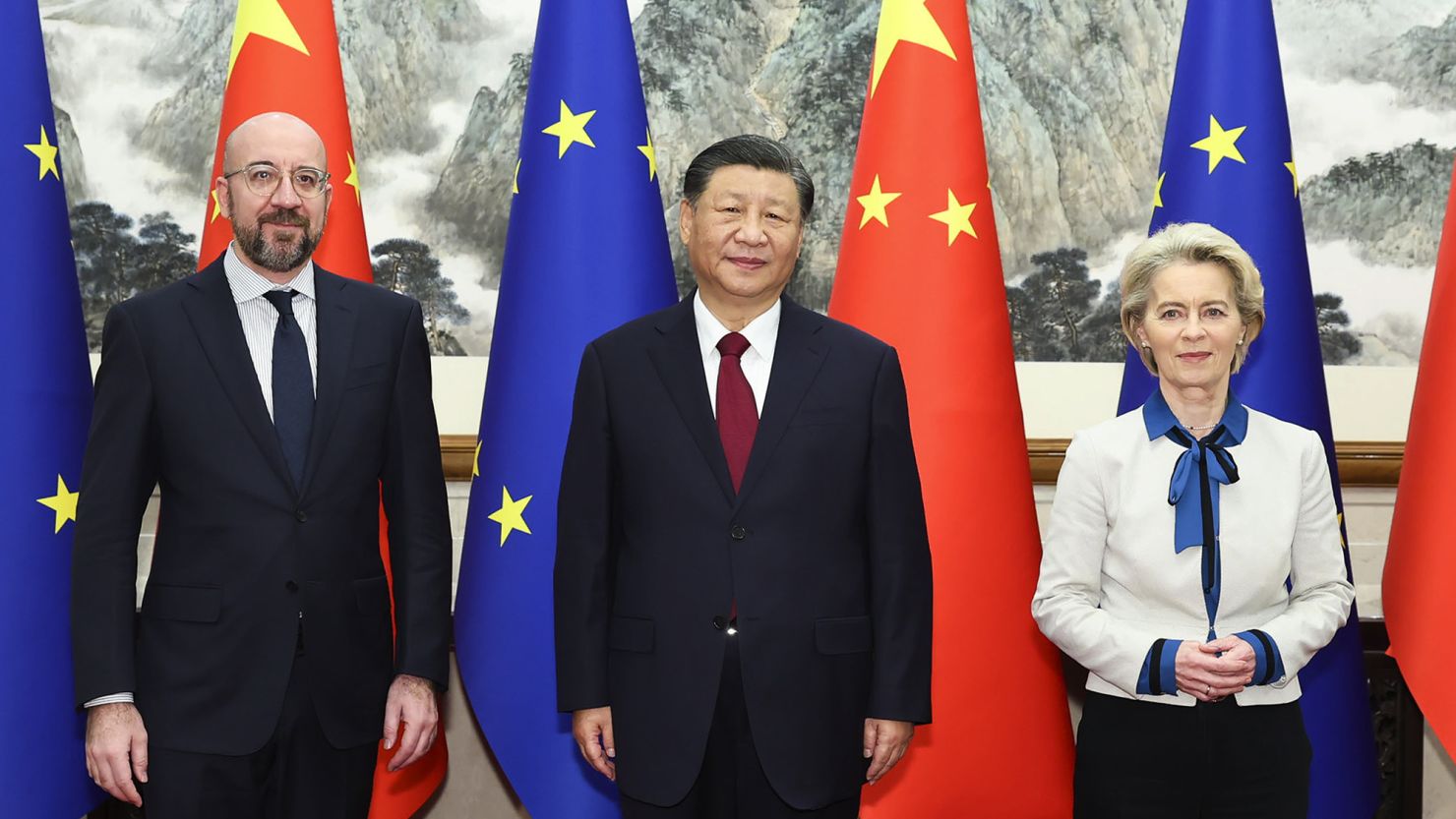
Chinese President Xi Jinping's three-nation tour to France, Serbia and Hungary in early May highlighted China's aim to bolster ties and navigate shifting global power dynamics. The trip's implications are significant for all major powers, including India, which must inject more creativity and energy in building up its strategic partnerships with G7 nations after the elections.
 Courtesy: Bayerischer Rundfunk
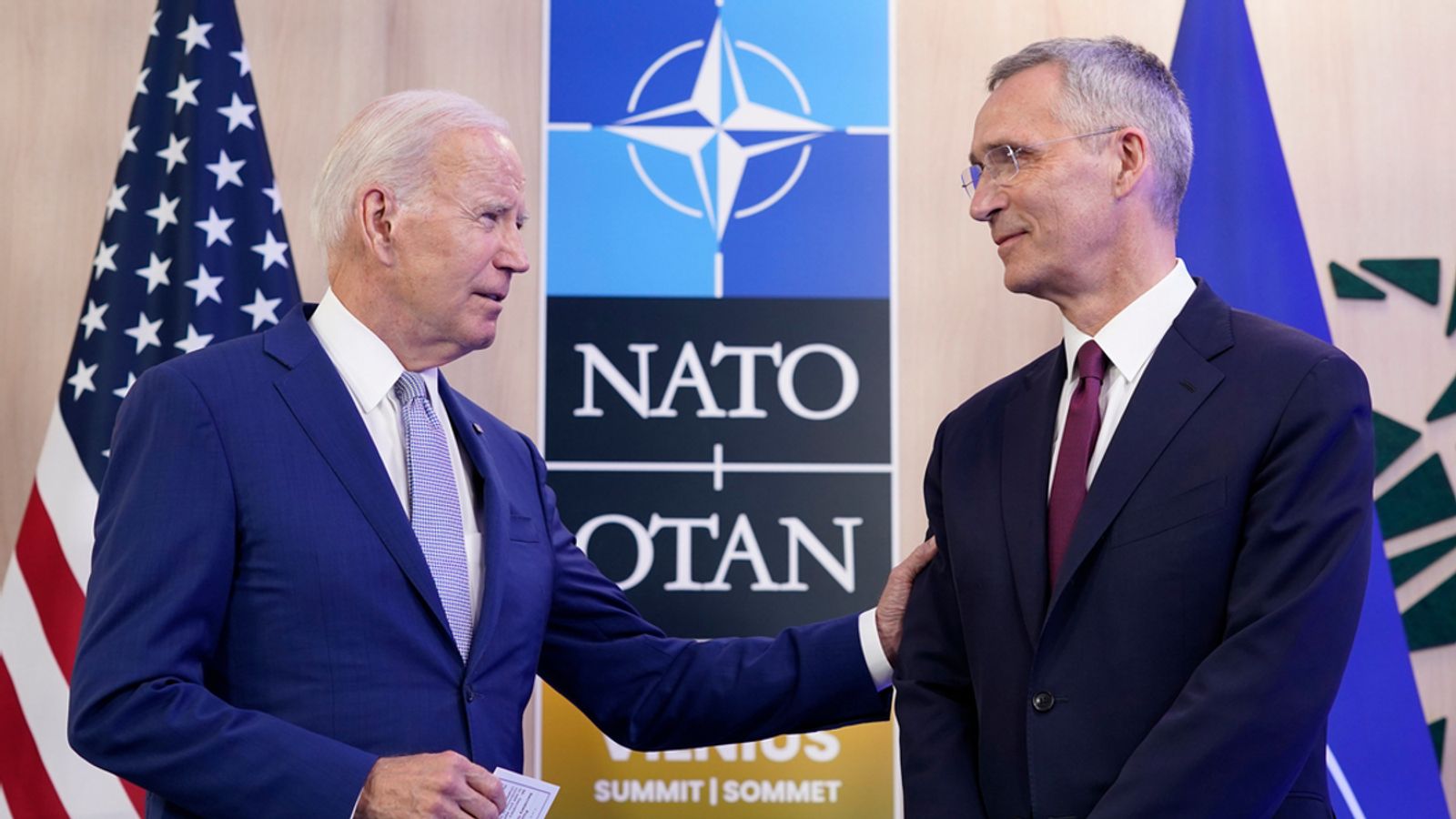
The North Atlantic Treaty Organisation turns 75 this year. It has exceeded its original mandate of a collective defence for Europe and is expanding rapidly. From restraining the rise of Russia, it is now seeking non-NATO allies in Asia who wish to restrain China. This requires a nimbler, more dynamic alliance. Can NATO respond to the transformation?
 Courtesy: Financial Express
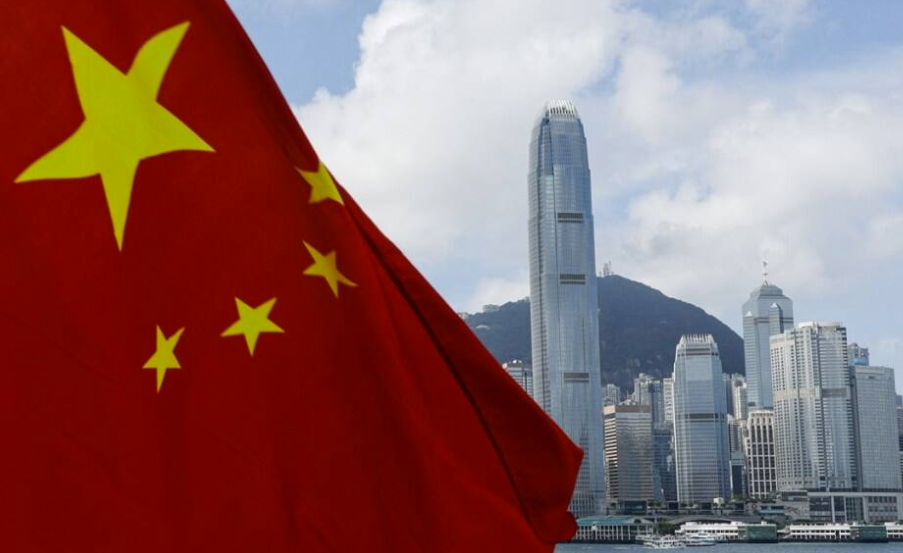
Has China peaked? India's leading China expert and Adjunct Distinguished Fellow for National Security and China Studies at Gateway House, Lt. Gen. S.L. Narasimhan discusses China's economy, the sustainability of Chinese global influence, the future of U.S.-China relations, and what this means for India. China, he says, will continue to be a shaping force in geopolitics, and the India-China relationship will continue to be one of interdependence.
 Courtesy: ET Insights
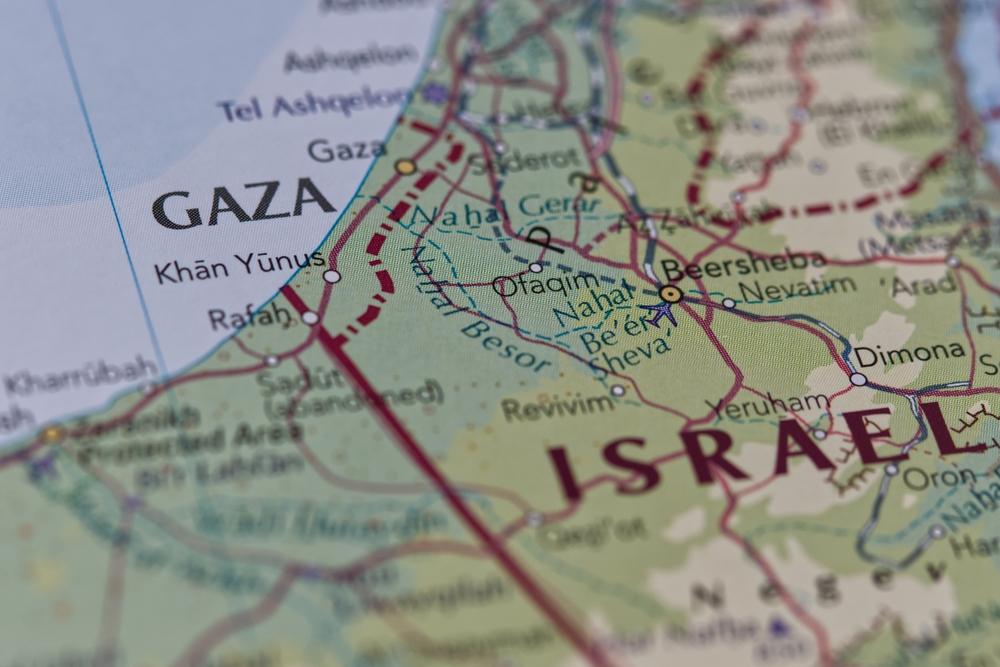
The geopoliticisation of the Israel-Hamas war has given birth to a new era of ruthlessly pragmatic and overlapping interests of multiple powers and actors. This is visible in the region of Middle Eurasia, the centre of the ongoing rearrangement of the world order.
 Courtesy: ETF Stream
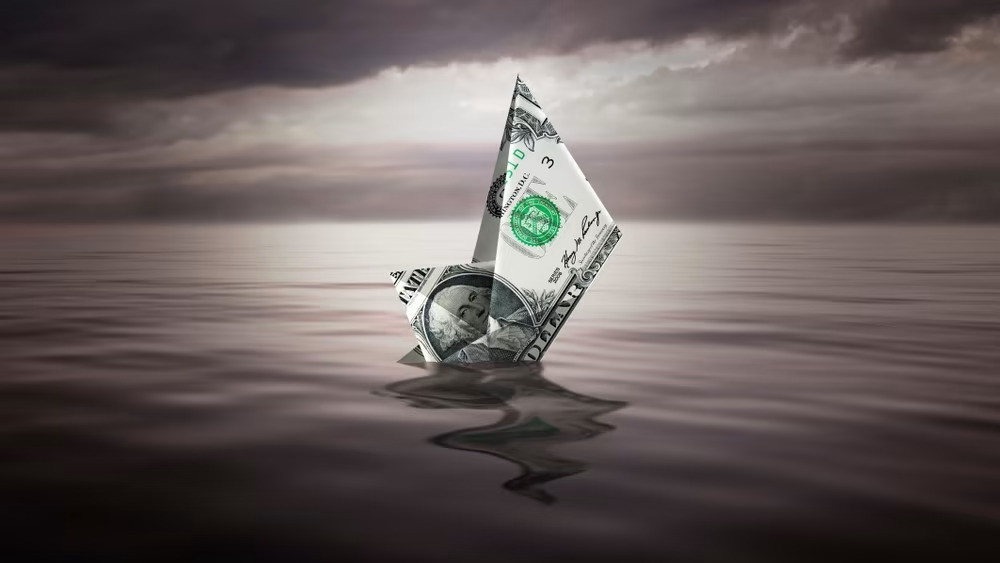
The U.S. dollar’s position as the world’s dominant currency has come under pressure as countries and central banks explore alternative currencies and diversify their reserve compositions. While the U.S. continues to dominate global financial markets and the dollar is unlikely to be unseated anytime soon, the challenge to the dollar-dominated uniform currency system has begun.
 Courtesy: Hindustan Times
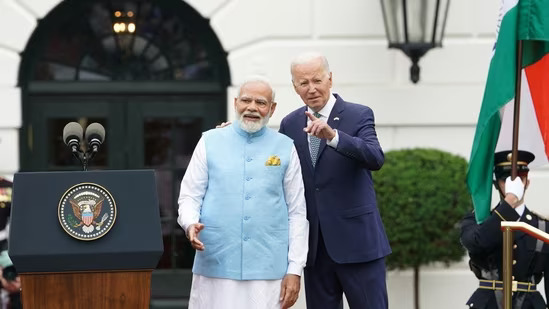
PM Modi’s State visit to the U.S. was marked by over a hundred agreements in emerging technologies, trade and investment. Manjeet Kripalani, Executive Director, Gateway House, spoke with Atul Keshap, President, U.S.-India Business Council, on the future of the India-US bilateral and thier multilateral relationships through the Initiative on Critical and Emerging Technologies (iCET) and the Quad.
 Courtesy: Gateway House
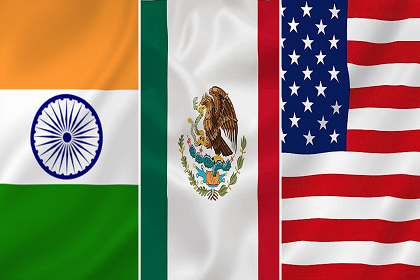
Mexico has followed Prime Minister Modi’s visit to the U.S.,and sees an opportunity to partner with India. Geopolitically, as a global south country with shared interests in peace, security and sustainable development; regionally, as part of the supply chain and export gateway to the U.S.; strategically as a diplomatic platform with a pragmatic narrative that privileges mutual interests.