G20’s midlife crisis
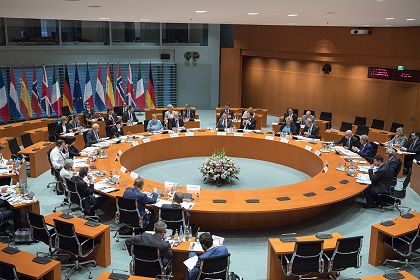
The G20’s response to the economic crisis was effective, the expansion of its scope was logical. This week’s Summit in Argentina is an opportunity to build consensus and deliver on concrete economic policy design

 Courtesy: G20
The G20’s response to the economic crisis was effective, the expansion of its scope was logical. This week’s Summit in Argentina is an opportunity to build consensus and deliver on concrete economic policy design
 Courtesy: PiyushGoyal.in
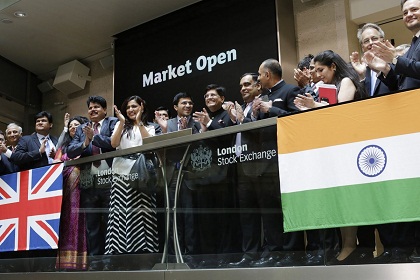
The emergence of masala bonds as a funding vehicle for Indian companies can aid India’s geoeconomic goals. Most of them are listed in the London Stock Exchange. But is India leveraging fully the rupee’s internationalisation?
 Courtesy: The Telegraph
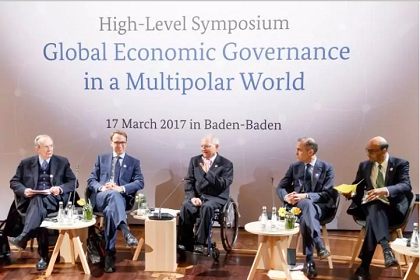
President Trump’s “America First” rhetoric has eroded support for the commitments that leaders made at previous G20 summits regarding trade: rejecting protectionism and strengthening the multilateral trading system. What implications does this have for global trade? Will the more moderate voices in the administration get heard?
 Courtesy: Gateway House
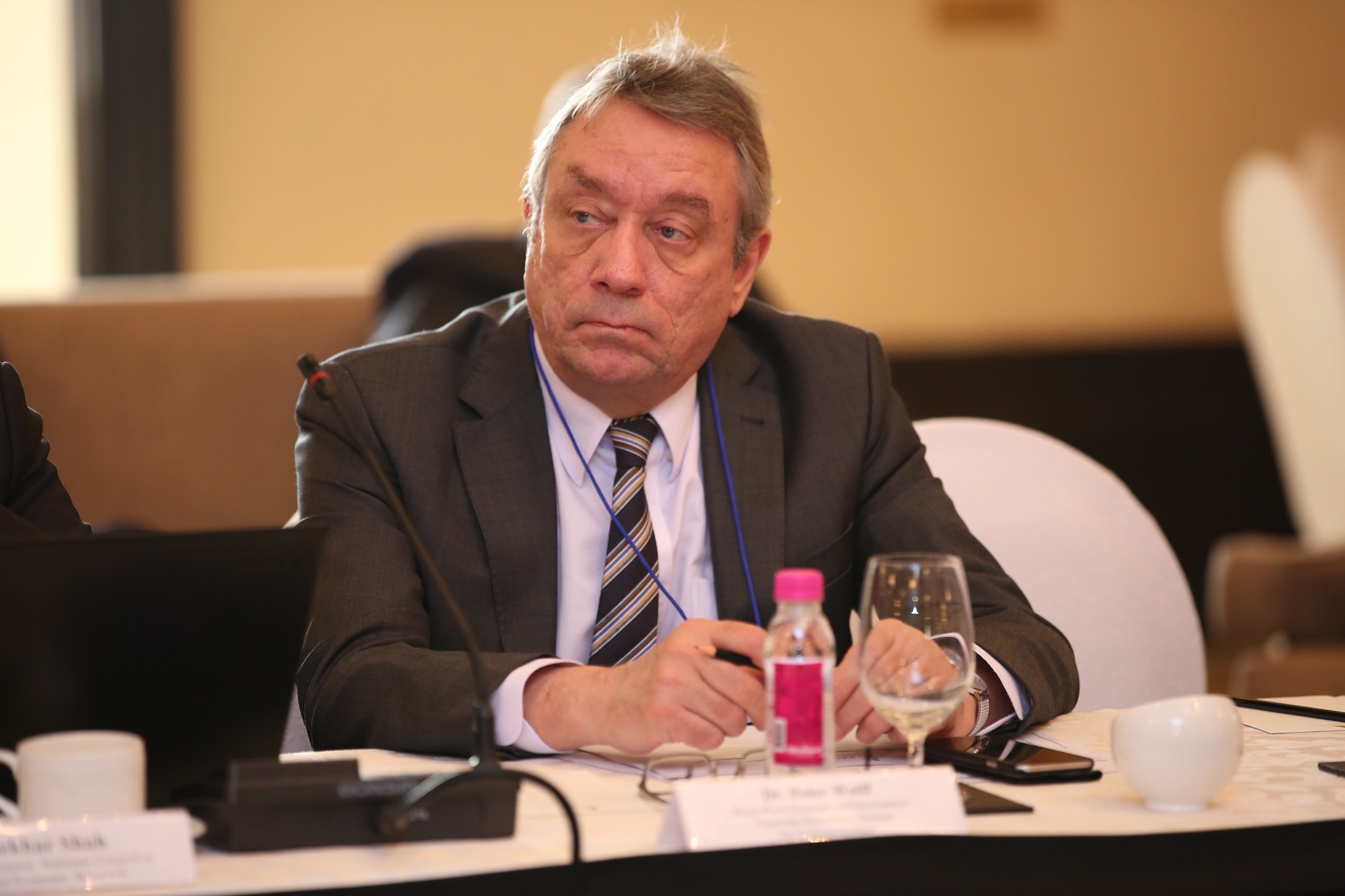
In his interview, Dr. Peter Wolff discusses the pillars and objectives of Germany's Marshall Plan for Africa and the need to integrate it into the global value chain. In the sphere of renewable energy, he argues that the most effective way of establishing a solid renewable sector is through market based strategies rather than government based ones. Although in some industries public private partnerships are the best measure, in others a more corporate lead approach is better.
 Courtesy: Gateway House
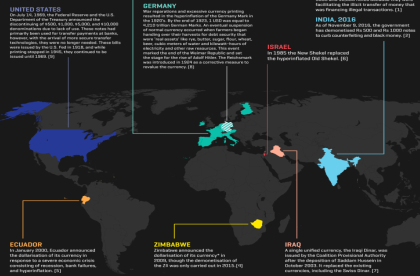
Prime Minister Narendra Modi's announcement on November 8 to demonetise notes of the denomination of Rs 500 and Rs 1000 has a precedent. This infographic traces some interesting demonetisation initiatives around the world. From discontinuation of high denomination notes due to lack of circulation, to the use of beer and water as 'real assets' in place of hyper-inflated currency.
 Courtesy: MEA / Flickr
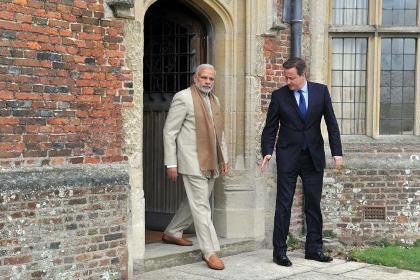
The result of the Brexit referendum is nothing less than a body blow to Bretton Woods organisations, International Monetary Fund-North Atlantic Treaty Organisation (NATO)-World Bank, that originated at the end of the Second World War. The possibility of an Asian century becomes more feasible, if India can be nimble enough to make the most of the opportunity which has presented itself in Europe.
 Courtesy: Wikipedia
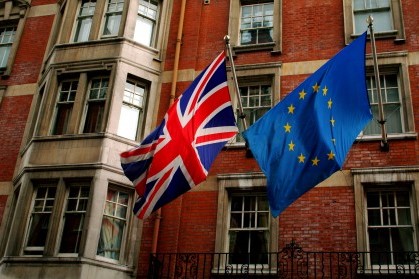
On June 23, the United Kingdom will vote on whether they wish to remain a part of the European Union through the Brexit vote. The debate surrounding the vote has spurred many a heated and emotional debate. While the Indian government has not declared anything publicly - remaining in the EU would be beneficial to Indian businesses.
 Courtesy: Wikipedia
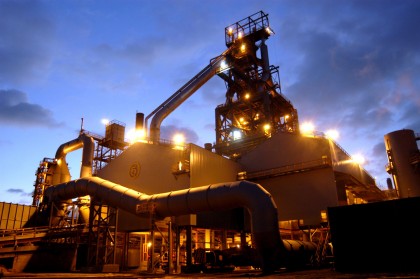
All Indian companies planning to go global should closely follow the saga of Tata Steel’s UK plants; it’s a masterclass on how intimately business is intertwined with geopolitics and geoeconomics
 Courtesy: Wikimedia
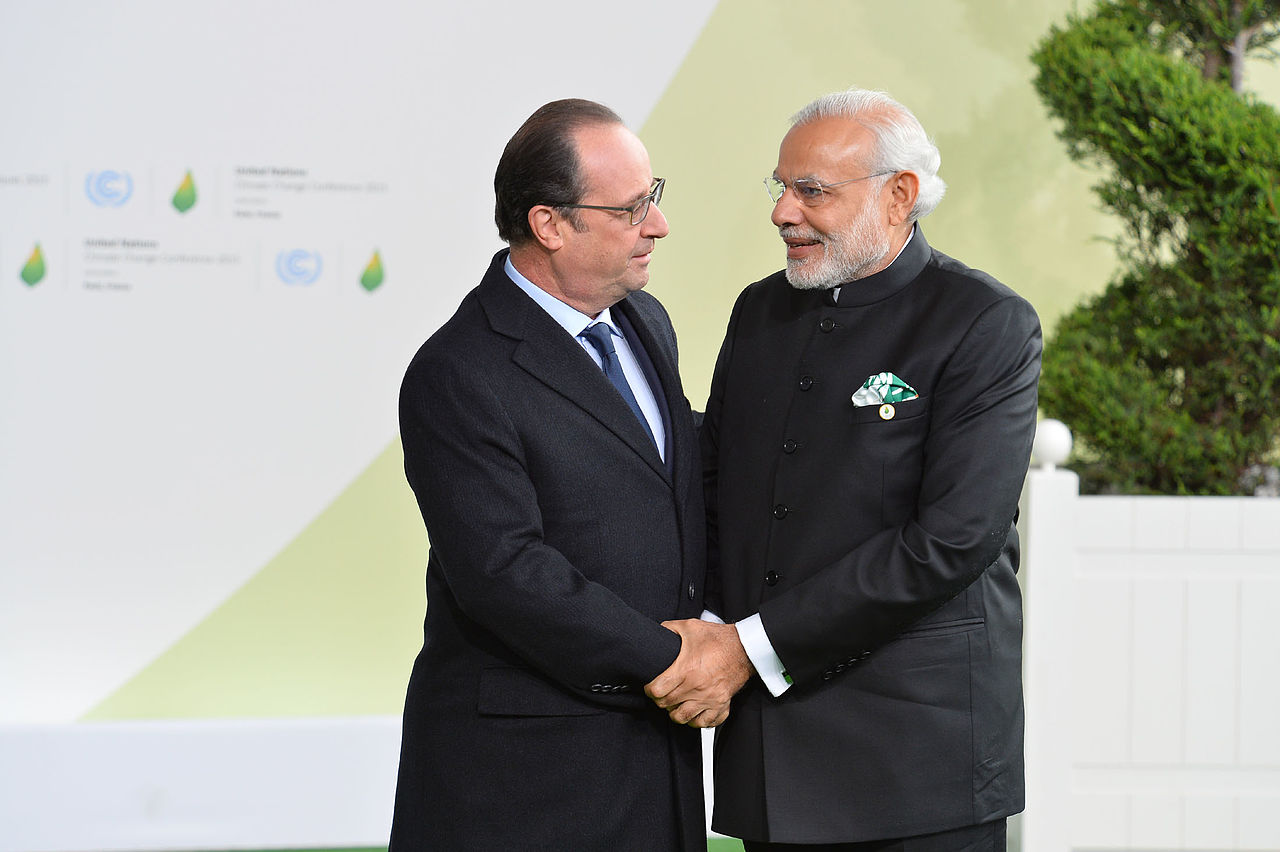
French President Hollande was the chief guest at the Republic Day parade on 26 January 2016. India-France relations, post President Hollande’s visit, are promising, and will have a positive impact on Prime Minister Modi’s scheduled visit to Brussels later this year including India's trade with the EU. Informed citizenry should appreciate the huge stakes involved.
 Courtesy: Wikipedia
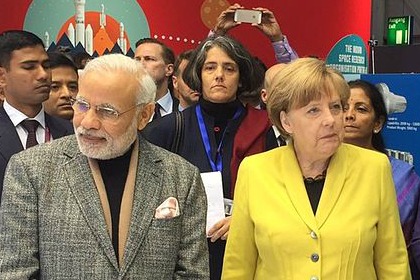
It has been ten months since India and Germany signed an agreement to partner in developing three smart cities. The government now seriously needs to move beyond slogans and aspirations and start addressing the more pressing issues specific to smart city development. Then only will the Modi-Merkel diplomacy be viewed as a success at home.