China in IOR: ‘peaceful rise’ no more
China has expanded its presence in the Indian Ocean Region. President Xi Jinping has abandoned Deng Xiaoping’s conciliatory posture for an aggressive, money-fuelled search for super power status

 Courtesy: Western Naval Command
China has expanded its presence in the Indian Ocean Region. President Xi Jinping has abandoned Deng Xiaoping’s conciliatory posture for an aggressive, money-fuelled search for super power status
 Courtesy: Gateway House
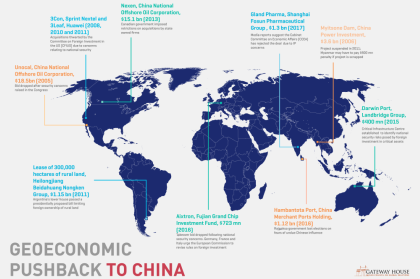
The Indian government may block the acquisition of Gland Pharma by Shanghai Fosun Pharmaceuticals, a move that offers further confirmation of how China’s opaque business model is causing concern worldwide. This infographic shows some high-profile cases of acquisitions by Chinese companies that ran into local opposition
 Courtesy: Gateway House
India’s global economic engagement, especially with the developing world, has increased in the last two decades, but trade with South Asia has remained low. It holds the potential for building greater productivity and more inclusive growth in India and the region
 Courtesy: Chaipau/WikimediaCommons
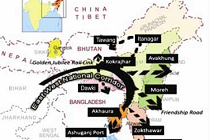
The Narendra Modi government has made the North East a developmental and foreign policy priority. Gateway House has conceived a robust regional economic plan called the “Seven Sisters’ Corridor” that can be the template for a new North East.
Gateway House speaks to Ujal Bhatia, Member, Appellate Body, World Trade Organisation, on the importance of economic diplomacy; India’s assertiveness during trade negotiations; the role of Indian business in the negotiation processes; the relevance of SAFTA; and on ways to boost intra-SAARC trade.
 Courtesy: Gateway House
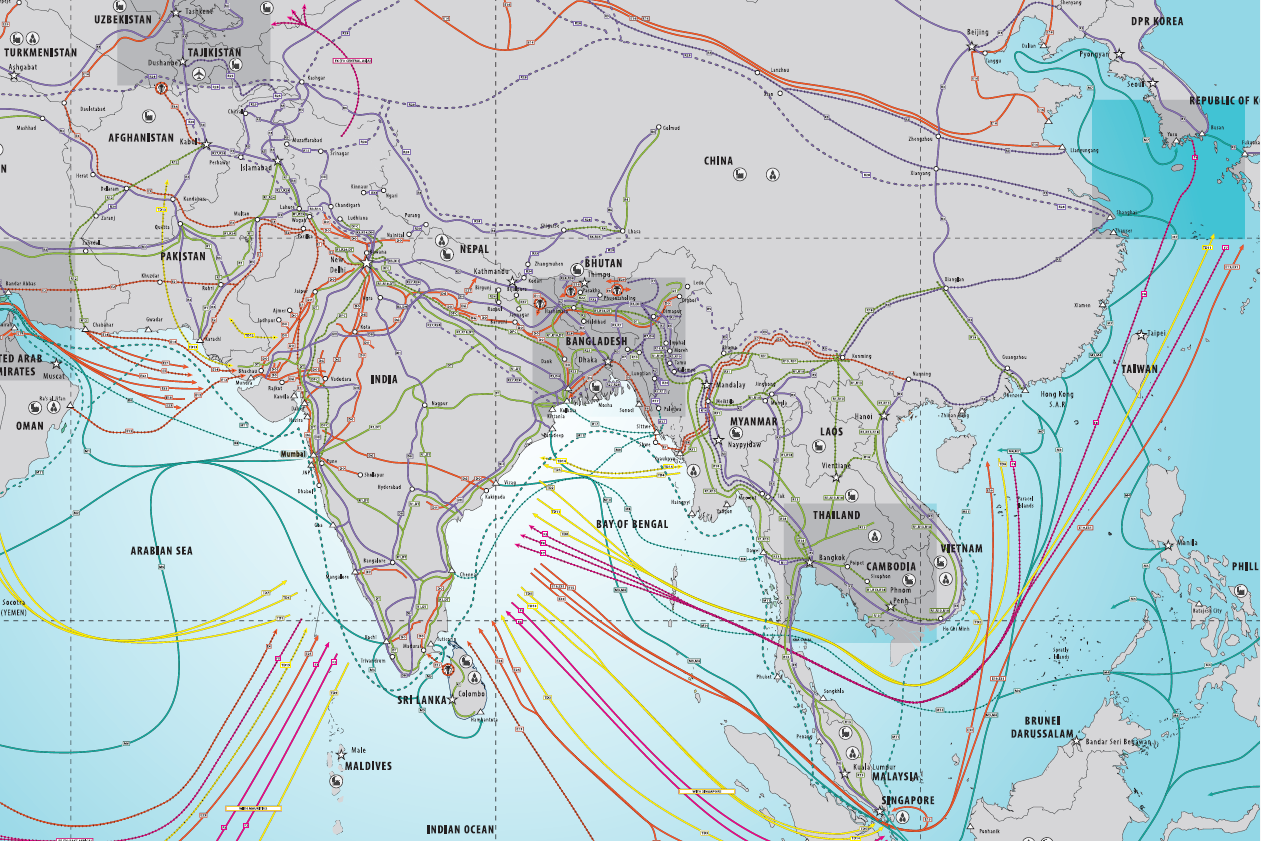
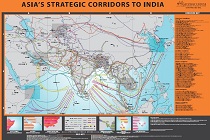
The map – Asia’s Strategic Corridors to India – has emerged from Gateway House’s study of India’s strategic links with other parts of Asia. It highlights the progress India has made in forging multiple links with six strategic regions – Central Asia, West Asia, East Africa, South-East Asia, East Asia, and our immediate neighbourhood
 Courtesy: PMO
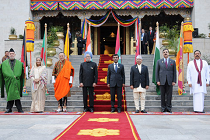
Creating a neighbourhood of compatible interests in South Asia isn’t easy, especially when intra-regional trade accounts for only 5% of total trade in the region. However, the region has seen considerable progress in the past year. India is well poised to lead the change, starting with the upcoming SAARC summit.
Shortly after Prime Minister Manmohan Singh’s visit to Dhaka, Gateway House interviewed the Bangladeshi High Commissioner to India, Tariq Ahmad Karim, who commented on the prospects of enhanced relations between the two nations, and the opportunities that lie ahead.
 Courtesy: PMO
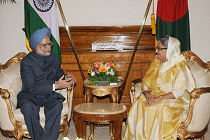
Indian Prime Minister Manmohan Singh’s visit to Dhaka was, by and large, a success; but poor internal coordination hampered the greater possibilities of the visit. India and Bangladesh can now explore new prospects, on maritime issues, oil and gas and environmental concerns in the Sundarbans.
 Courtesy: Gateway House
This paper examines the political & economic landscape of North East India and explains how diplomacy, policing and development brought peace to Assam and the North-East