Twitter_@DrSJaishankar Courtesy: Twitter/@DrSJaishankar
12 August 2026

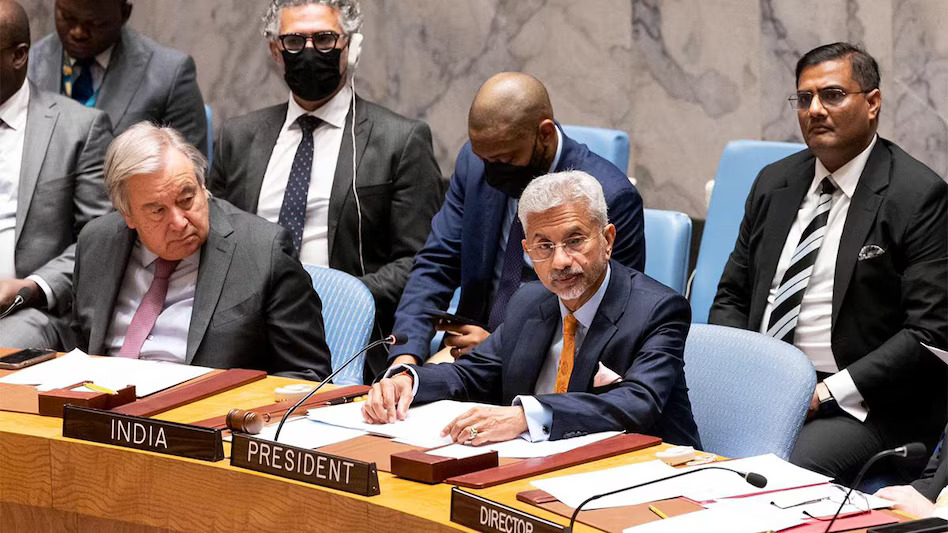
India bids for UNSC

India has officially launched its campaign for a non-permanent seat on the UNSC for 2028-29. This will be India’s ninth time on the UNSC. The election is strict and process-driven. The campaign has been launched well in time to ensure election with the highest possible number of votes to signal global acceptance of India, now the world’s most populous country, as a permanent member of the UNSC.
rawlines Courtesy: Gateway House
6 August 2026

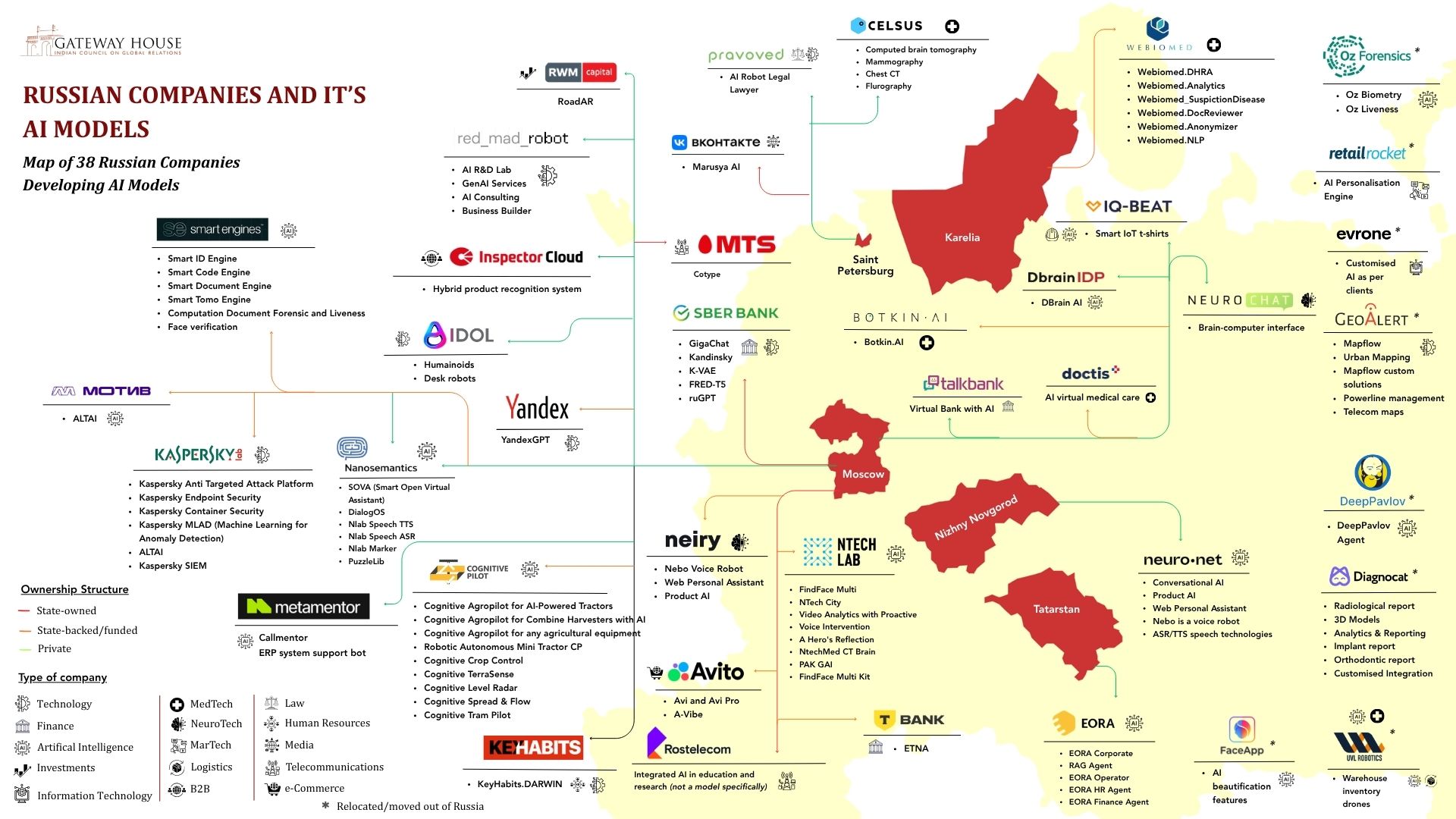
The Kremlin: AI ecosystem architect

At the St. Petersburg International Economic Forum in June, President Vladimir Putin reiterated that Russia is building a sovereign AI ecosystem. Despite Western sanctions and the brain drain following the Ukraine war, Moscow continues to support AI startups and SMEs through state-backed funding. There are 38 Russian AI companies, and it is worth analysing their backgrounds, classifications, and the links between them and the Russian state.

UNSC Elections Courtesy: Manuel Elías
6 August 2026

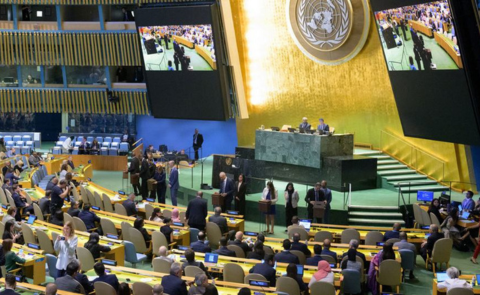
The UN changes guard

The process of choosing a new Secretary General of the UN, to assume office on January 1, 2027, has begun. The UN Security Council is central to this and has just held its first straw poll on the seven candidates in the fray. Three have done well – all from countries with positive ties to the current U.S. administration. India must keep a close eye on the developments.

Website articles  (5) Courtesy: Körber-Stiftung
6 July 2026

Tested, Trusted, Torn? Emerging Middle Powers Report 2026

The third Emerging Middle Powers Report reveals interesting trends. In every recent year, the five countries surveyed – India, Germany, South Africa, Brazil, and Indonesia – have been tested by events to prove they can prevail over the contested terrain of global politics. A pattern has emerged linking them together: non-alignment is their preferred response to a fragmenting order.

Dr. RS Courtesy: Gateway House
18 June 2026

Pakistan-Afghanistan: Conflict Without Resolution

Pakistan and Afghanistan have long shared one of the world's most volatile borders. Pakistan's 2025 airstrikes inside Afghanistan marked a dramatic rupture in a relationship Islamabad had once carefully cultivated. Regional expert Raghav Sharma examines the evolving military balance, China’s mediation efforts, the role of the Gulf states, and how the Iran conflict is reshaping Pakistan’s economy and internal fault lines. The result is a region facing multiple crises, where traditional strategic assumptions no longer offer clear answers.

1 (5) Courtesy: Gateway House
11 June 2026

Decoding India’s Neighbourhood dynamics

Nepal’s ruling party leader, Rabi Lamichhane, visited India from June 1-5, 2026, highlighting Nepal’s evolving political priorities under the leadership of new Prime Minister Balendra Shah. A conversation with Nayanima Basu examines how India is faring under its Neighbourhood First and Act East policies and how New Delhi should navigate an increasingly volatile and sensitive region.

amb HVS (2) Courtesy: Gateway House
7 May 2026

Unfolding Geopolitics Episode 33 |Foreign policy impact of Bengal elections

The state elections in the eastern states of Bengal and Assam have given a massive mandate to the ruling Bharatiya Janata Party. The opportunity for transformation and progress is enormous, especially as both these states are the crucial connectors to India’s Act East Policy. Harsh Shringla, Member of Parliament and former Foreign Secretary of India, says India’s foreign policy will see multiple benefits from these states.

AP517-519 00_Cover.indd Courtesy: Routledge
7 May 2026

India and the Rebalancing of Asia

In this book, C. Raja Mohan analyses Asia’s shifting political, economic, military, and technological balance, with particular focus on U.S.-China and India-China relations. He argues that India’s rise from a middle power to an emerging great power will require stronger hard power, diplomatic creativity, economic vitality, and domestic consensus. Yet, amid tensions over tariffs, Russian oil, Gaza, and the U.S.-Iran conflict, India’s strategic path remains challenging.

Website articles  (88) Courtesy: Gateway House
30 April 2026

RSS’ civilisational compass and India’s foreign policy

The centenary of the Rashtriya Swayamsevak Sangh underscores its enduring influence on India’s foreign policy. Over a century, it has shaped thinking among policymakers, intellectuals, and the diaspora. Its influence rests on civilisational confidence, strategic multi-alignment, and a dharmic framing of global engagement. While not a formal institution of diplomacy, the RSS shapes the broader ecosystem within which India’s foreign policy operates.

Website articles  (75) Courtesy: PTI
10 April 2026

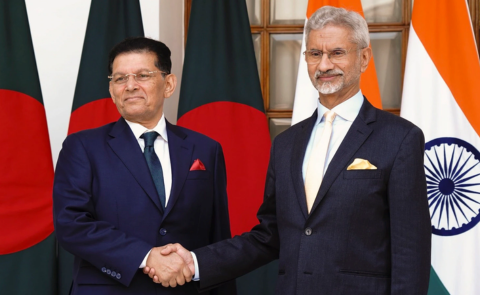
Delhi-Dhaka make progress

The visit of Bangladesh's foreign minister Khalilur Rahman to Delhi was an intermediate stage in the journey towards a full India-Bangladesh reset. The two countries have much to gain through deeper cooperation and more to lose if they drift. It’s time to focus on a common future by initiating bold trade and economic policies and linkages to counter vested interests that work to keep them apart.