U.S.-Taliban deal: India in strategic role
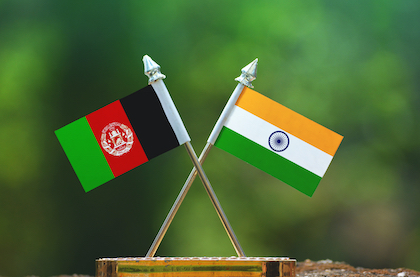
India should stop looking at Afghanistan through the Pakistan prism and be a major contributor in the development of peace and prosperity in the country

 Courtesy: Shutterstock
India should stop looking at Afghanistan through the Pakistan prism and be a major contributor in the development of peace and prosperity in the country
 Courtesy: AFP Photo/AREF KARIMI
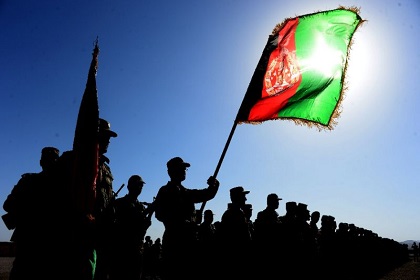
The people of Afghanistan, torn by war, ethnic strife and geoeconomic contestation for their country’s rich natural resources, have paid by forsaking the assurances of daily life. But President Ashraf Ghani has shown them that normalcy can return and it is possible to hold regular elections. The author, a guest of the President and First Lady, travelled through the country in October 2018 to record her impressions of a resilient people who have reason to hope for a different future
 Courtesy: MEA Flickr
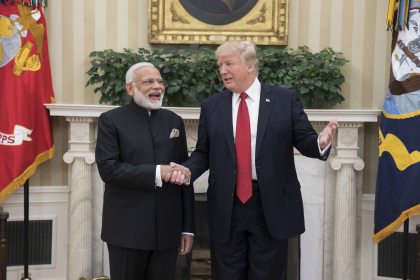
The imperative for India to move away from its non-aligned posture is now, especially if it wants to be consequential in the global reordering underway. This will play out in the contention between the U.S. on one side, and China and Russia on the other.
 Courtesy: Western Naval Command
China has expanded its presence in the Indian Ocean Region. President Xi Jinping has abandoned Deng Xiaoping’s conciliatory posture for an aggressive, money-fuelled search for super power status
 Courtesy: 123RF
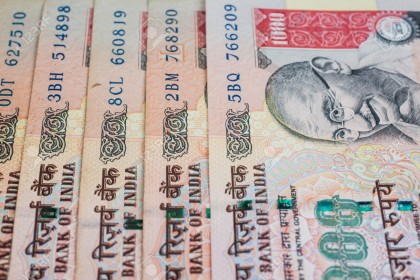
On November 8, when Prime Minister Narendra Modi announced to India, the demonetisation of high-value currency notes, he specifically referred to the use of Hawala and fake Indian currency notes for terrorist financing. The hawala system to move funds globally for terrorist financing is huge, secretive, and layered—and a challenge for national security agencies.
 Courtesy: Wikipedia
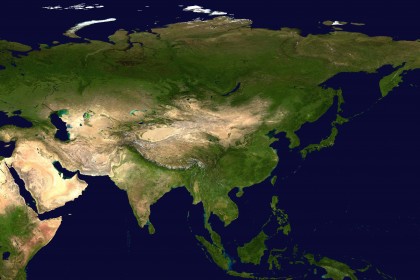
Prime Minister Modi’s term has been marked by a resolve to improve cooperation among South Asian nations. These proactive efforts can bear rich fruit if the Modi government promotes the concept of geoeconomic and geopolitical equations being seen through the lens of bioregions. There are significant precedents which the Modi government can build upon
 Courtesy: CentralMaine
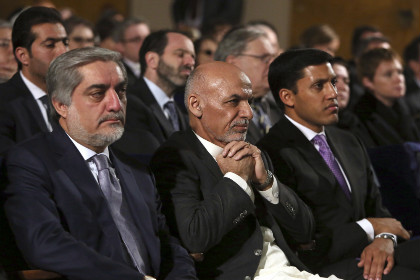
Huge threats to human rights continue in Afghanistan. President Ghani has pledged to end official tolerance for torture, and his government must also protect the freedom of the media, ensure that more women participate in peace talks, and bring transparency to negotiations with the Taliban. These correctives are overdue
 Courtesy: South Asia Media
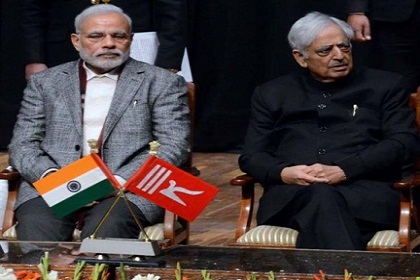
Representative democracy has resulted in coalition governments, comprising parties with opposing agendas, gradually being formed across the world. The Afghan unity government and the BJP-PDP coalition in Jammu and Kashmir are two such coalitions that share numerous similarities, not least of which is the role of Pakistan.

Rajni Bakshi, Senior Gandhi Fellow, Gateway House reports from People’s SAARC, a motley gathering of NGO workers and members of the village communities they work with. PSAARC will compile a memorandum – a wish-list of demands and aspirations – on November 24 and present it to the heads of SAARC nations
 Courtesy: Wikimedia Commons
The UN and the global finance industry are making gradual but concerted efforts to align business interests and ecological sustainability. A growing number of companies are combining profit-making with social responsibility. There is still a long way to go, but the UN system has created useful mechanisms of change